
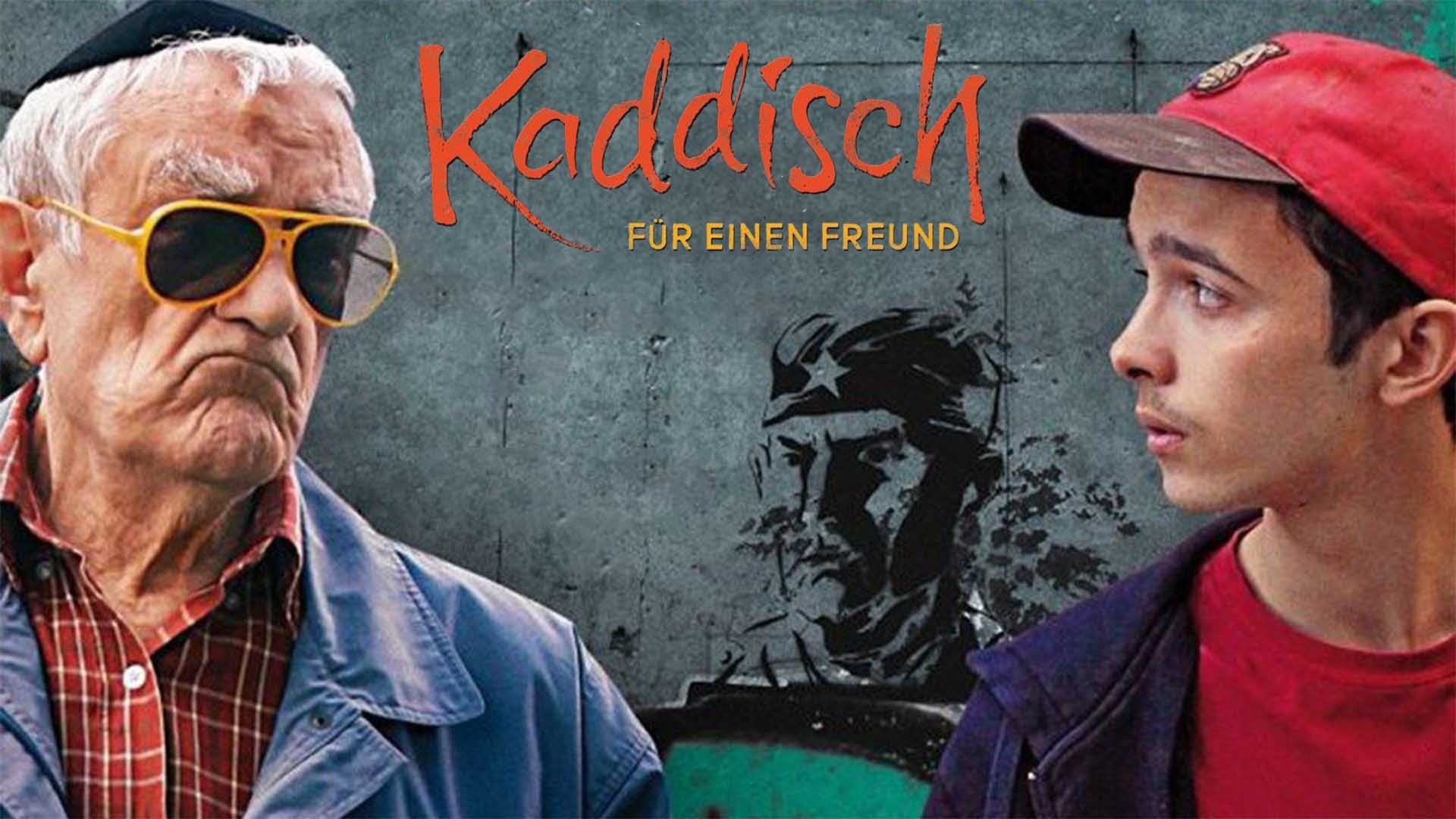
“The earth is a globe. It is always turning, everything is in a flux including our point of view“.
– Kaddisch für einen Freund
These words (loosely quoted) from the 2012 German film ‘Kaddisch für einen Freund’ or ‘Kaddisch for my friend’ are reverberating in my mind long after I have seen it. Those who know me know my fondness for unlikely friendships. In fact, those are the stories I like to write. This film about a Jewish war veteran and a 14-year-old boy fits right in there, not just because of a typical unlikely friendship but also because of the change in people we writers want to portray and hope against all odds. In a tense Arab-dominated neighbourhood where most people are prejudiced against Jews, lives an old Jewish war veteran. He has his own biases which fast changes when he becomes friends with a boy whose friend circle damaged his apartment.
The old man only recognised the boy who didn’t do much of the damage. But over the next few weeks, the boy is forced to reluctantly repair the old man’s apartment by his mother so that the Jewish man retracts the case. What follows is a depiction of how people can change little by little when they are trying to understand each other rather than being angry at each other.

Frame 1: At the beginning of the film when the boy comes to refurbish the old man’s apartment he doesn’t let the kid touch his belongings.
Can humans change? Are point of views born out of prejudices?
These are the primary questions that dominate in your mind when you see this film. Like most of the happenings around the world, this film too proves that Bertrand Russell saying right – that for most people their experiences make them more prejudiced.
Here too both the boy and the old man’s prejudices are shaped by their experiences. Once, their experiences changed in each other’s presence, so did their prejudice and point of view.
There are many poignant moments of this change of heart and developing friendship in the film, like the old man sharing a meal with the boy and while talking the kid realises they have only 2 weeks left and hurries up the wall decoration.

Frame 2: The old man bringing out a meal to share with the kid.
The most poignant moment for me was when the boy and the old man looked at a painting of a place in Israel that the kid drew. The boy says he heard from his grandfather that Atith was a “beautiful place”. The old Jewish man says he knows the place, he lived there. They both discuss why they fled (the old man and the boy’s grandfather) the region. Their prejudices of each other aren’t fully gone but you can see both being reflective of place.

Frame 3: The old man finds her deceased wife’s false teeth with the help of the boy and brings it to her grave to bury it beside her.
What makes a prejudice change?
Many such poignant instances fill the air in this unlikely friendship which changes years of a human point of view. Ultimately at the end of the film, the old man testifies for the boy in his trial and collapses voicing his concern for the fair trial. And when the boy tends to him in the hospital and visits his apartment to retrieve his son’s memories he finds amongst all his drawings of their friendship, the picture of the “beautiful place” that they both came from hanging on the wall.
We don’t exactly know or can’t pinpoint where the man’s and the boy’s prejudice changes? Was it the point when the boy nursed the old man in the middle of the film when he collapsed because of their boxing trial? Did it change the man? What changed the boy? He isn’t that much a hardcore prejudiced person, but his experience makes him one – when he declared all Jews backstabs because the old man failed to retract the case against the boy despite his best ability. So, how did that experience-triggered prejudice finally change? Is it because how the old man stood up for him in the courtroom demanding a fair trial and collapsed? Or was it his long association with the boy which made the act believable and genuine?
Can a changed prejudice lead to societal change?
What brings about change we don’t know. But we do know it is a continuous string of efforts from the other side that they experience – that’s what changes people.
This change ultimately reaches its pinnacle when a change in a person leads to change in a society as we can see how the boy’s father and old people in the Jewish community changes despite their discomfort.
The film’s final showcase of humanity and hope is when the community of old Jewish people who once asked the old man not to allow the kid in his apartment, allows the kid to do the last rites of Jewish man. And the last frame of the kid’s graffiti of the old man on the ‘Free Palestine’ wall.

Frame 4: The community of old Jewish people listens as the boy recites prayer, Jewish scriptures at the old man’s funeral.

Frame 5: The boy draws graffiti of the old man on the Free Palestine wall.
P.S. This film kind of reminded me of the old Jewish people we see in protest rallies. And also reminded of my funeral pact with my penfriend – a British old man. I have promised to sing his favourite song when he dies and I have asked him to sing mine if he is alive when I die.
Leave a Reply