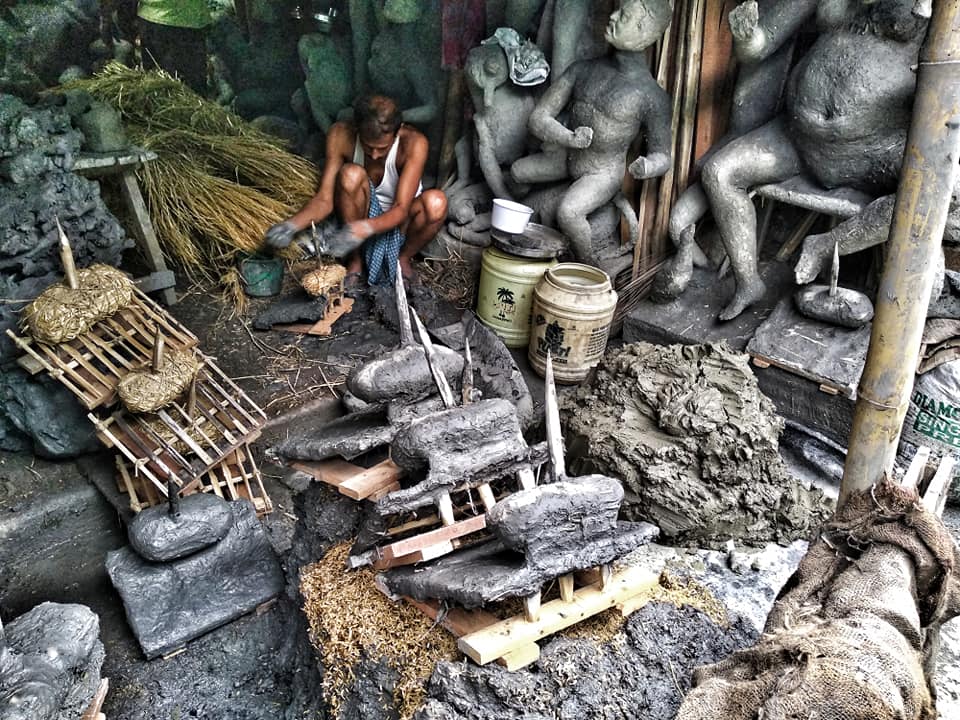
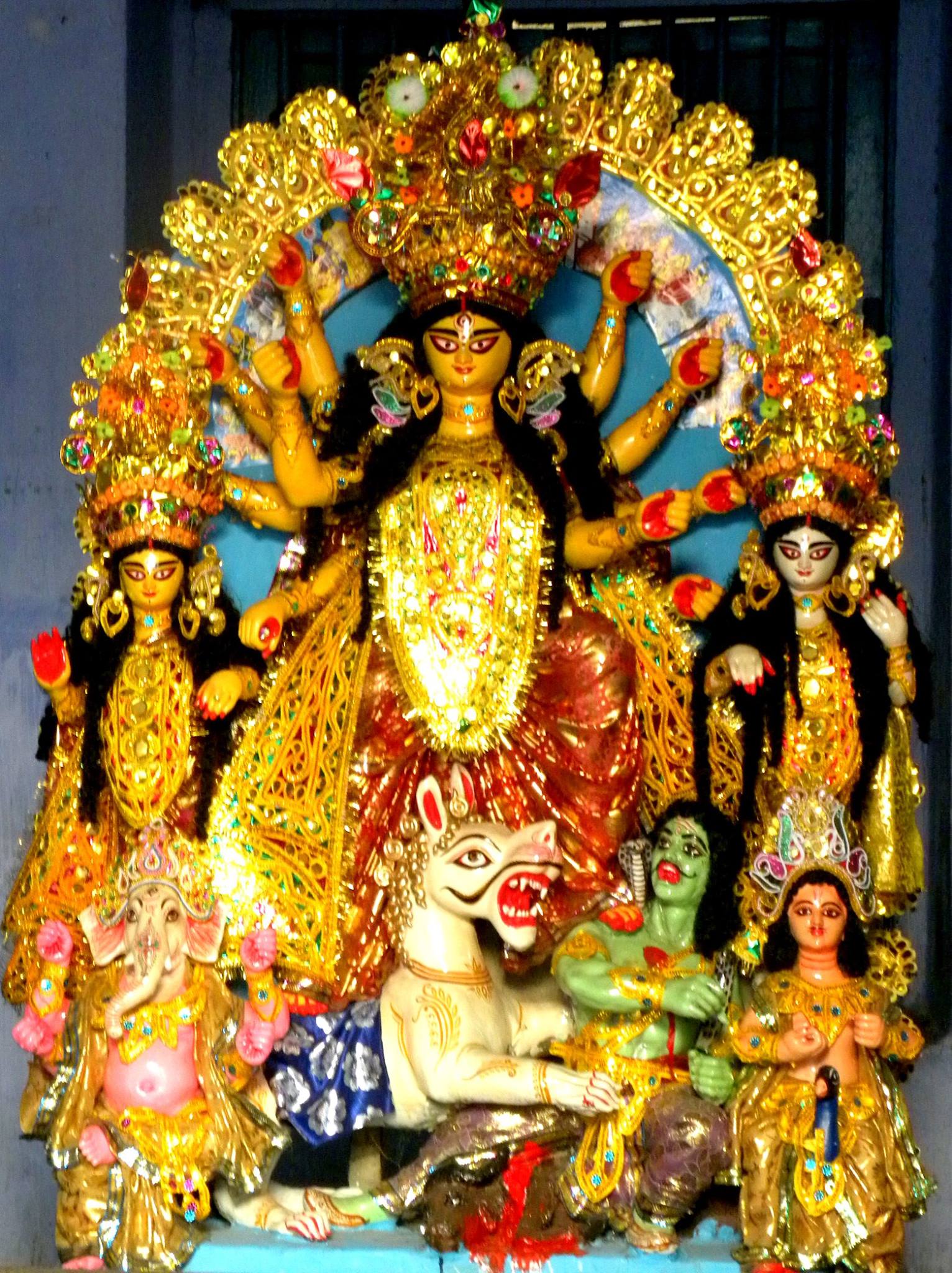
“Durga is an ancient deity of Hinduism, according to archeological and textual evidence available. However, the origins of Durga Puja are unclear and undocumented. Surviving manuscripts from the 14th century provide guidelines for Durga Puja, while historical records suggest royalty and wealthy families were sponsoring major Durga Puja public festivities since at least the 16th century. The 11th or 12th century Jainism text Yasatilaka by Somadeva mentions a festival and annual dates dedicated to a warrior goddess, celebrated by the king and his armed forces, and the description mirrors attributes of a Durga Puja. The word Durga, and related terms appear in the Vedic literature, such as in the Rigveda hymns 4.28, 5.34, 8.27, 8.47, 8.93 and 10.127, and in sections 10.1 and 12.4 of the Atharvaveda. A deity named Durgi appears in section 10.1.7 of the Taittiriya Aranyaka.[31] While the Vedic literature uses the word Durga, the description therein lacks the legendary details about her or about Durga Puja that is found in later Hindu literature”, says an entry about Durga Puja in Wikipedia.
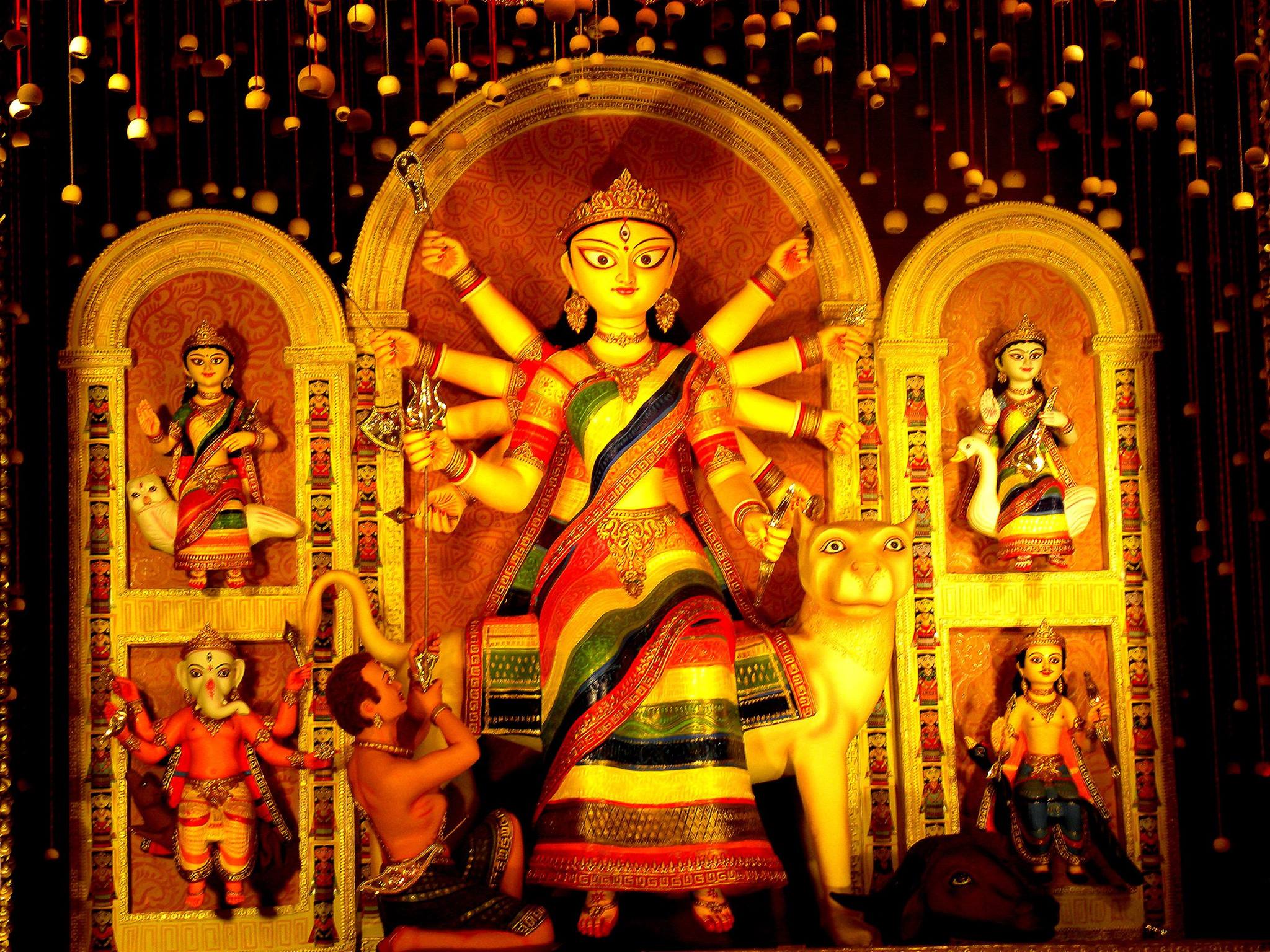
While the goddess and it’s worshipping clan goes onto proclaim many theories and controversies regarding its origin and mythological acceptance, one cannot deny the kind of occupations and livelihoods it fervors.
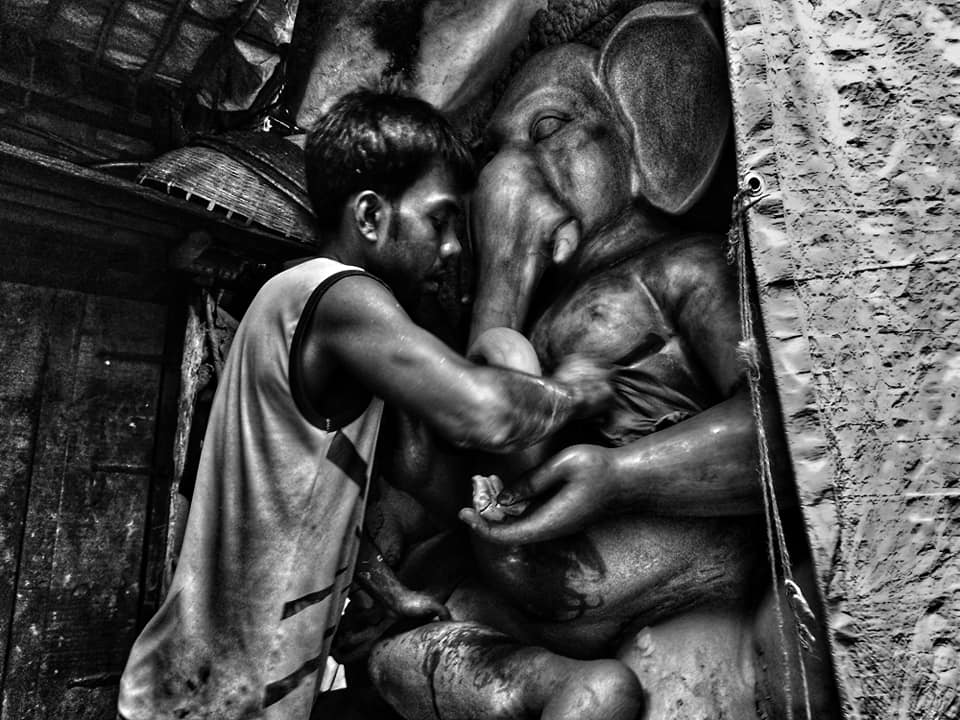
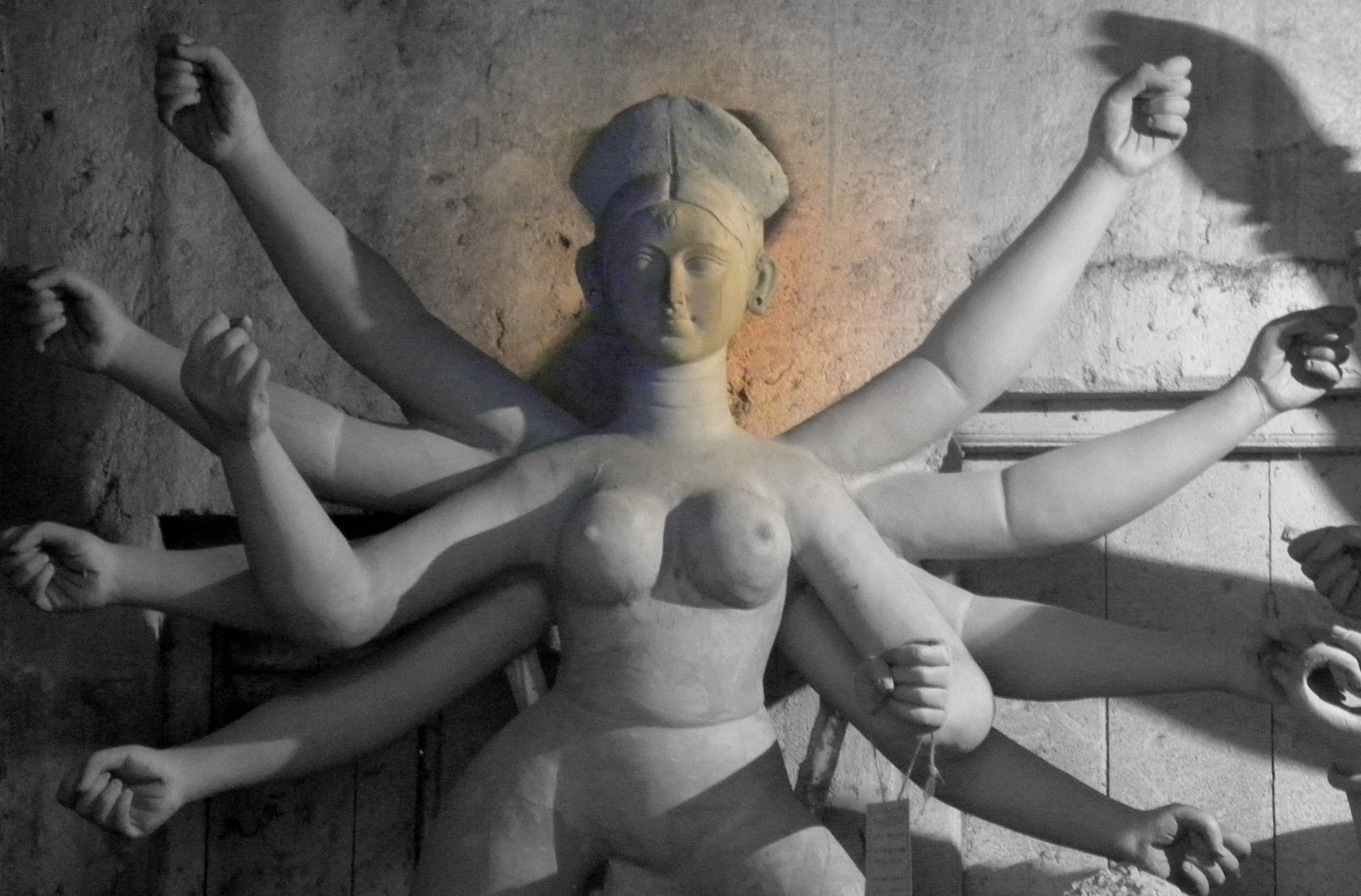
The festive fervor and the bonhomie we witness around the festival owes it allegiance to the hard work of many a craftsman and their vision.
We often tend to think that Durga Puja is the time for that annual visit to the potter’s den, Kumartuli the largest potter area in Calcutta and many such small and morbid potter areas.

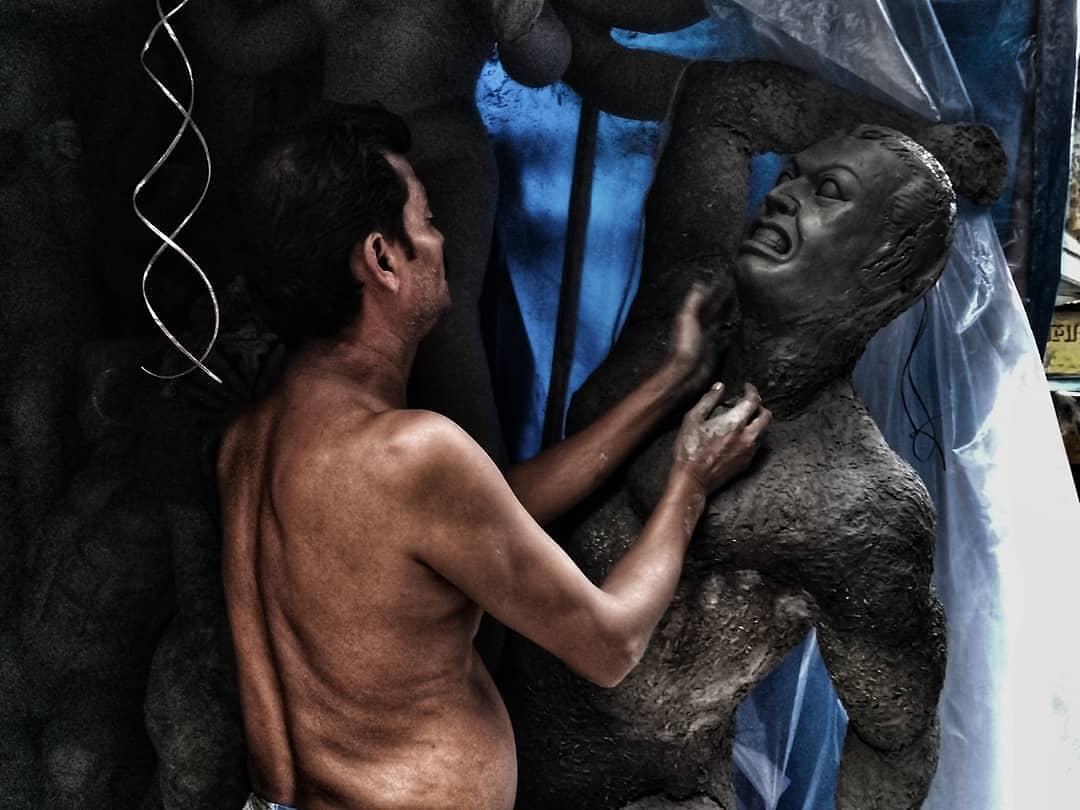
However, that isn’t entirely the case here. Much like the festivity which doesn’t live only in the culture of food and tradition but goes back to much more, the livelihoods too vary.
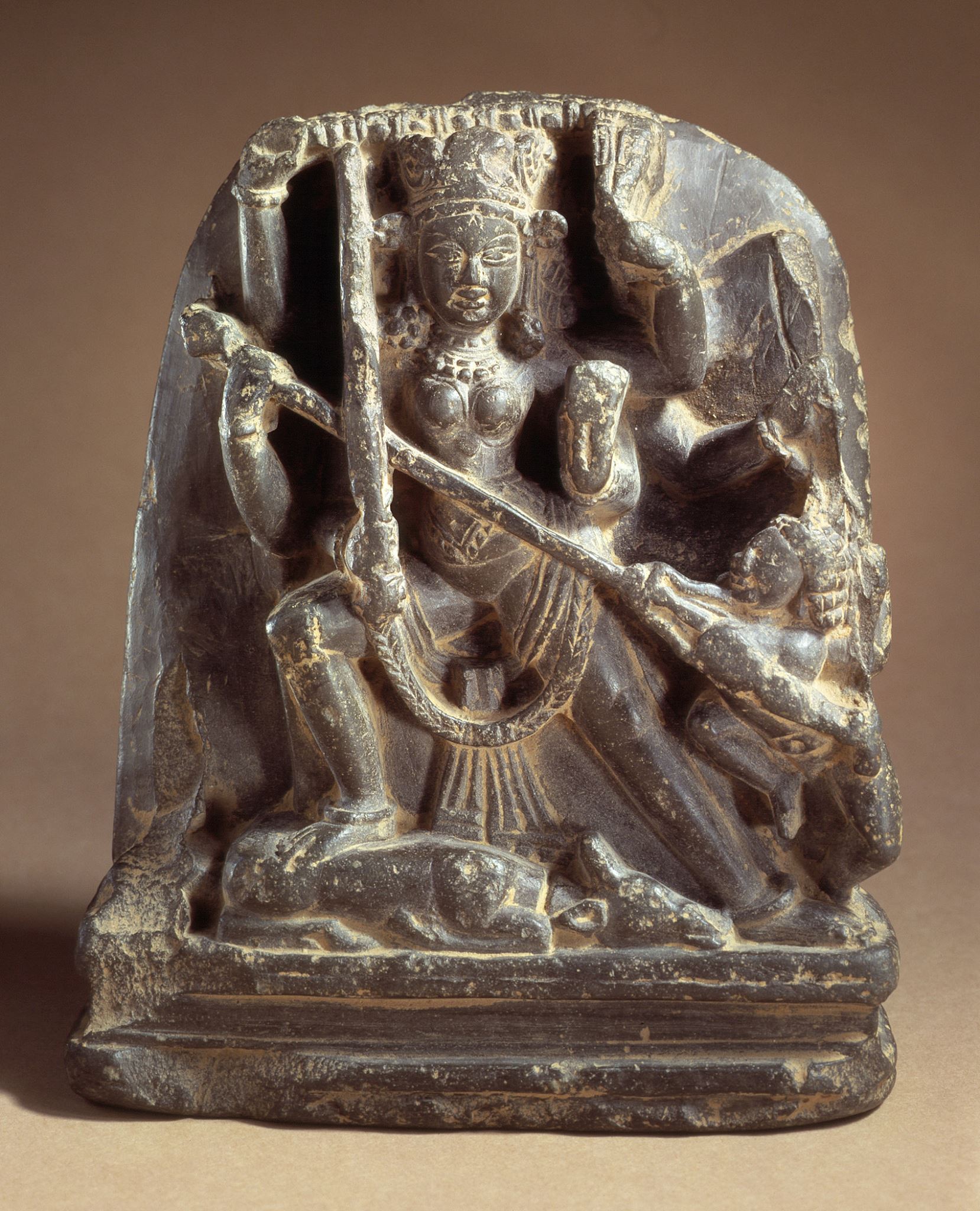
A quick visit in any potter’s area will reveal various nature of artists and artworks. This includes the potters making the idols, the paper and other accessory makers making the decorative items and accessories of the goddess and her children.
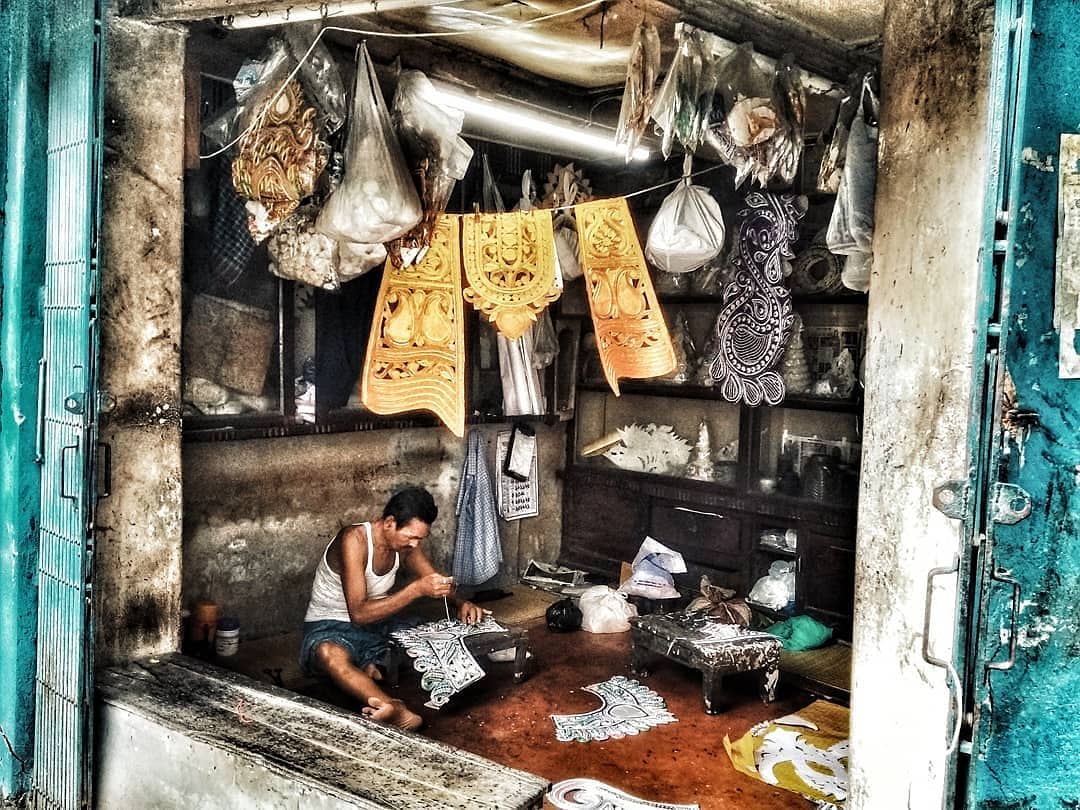
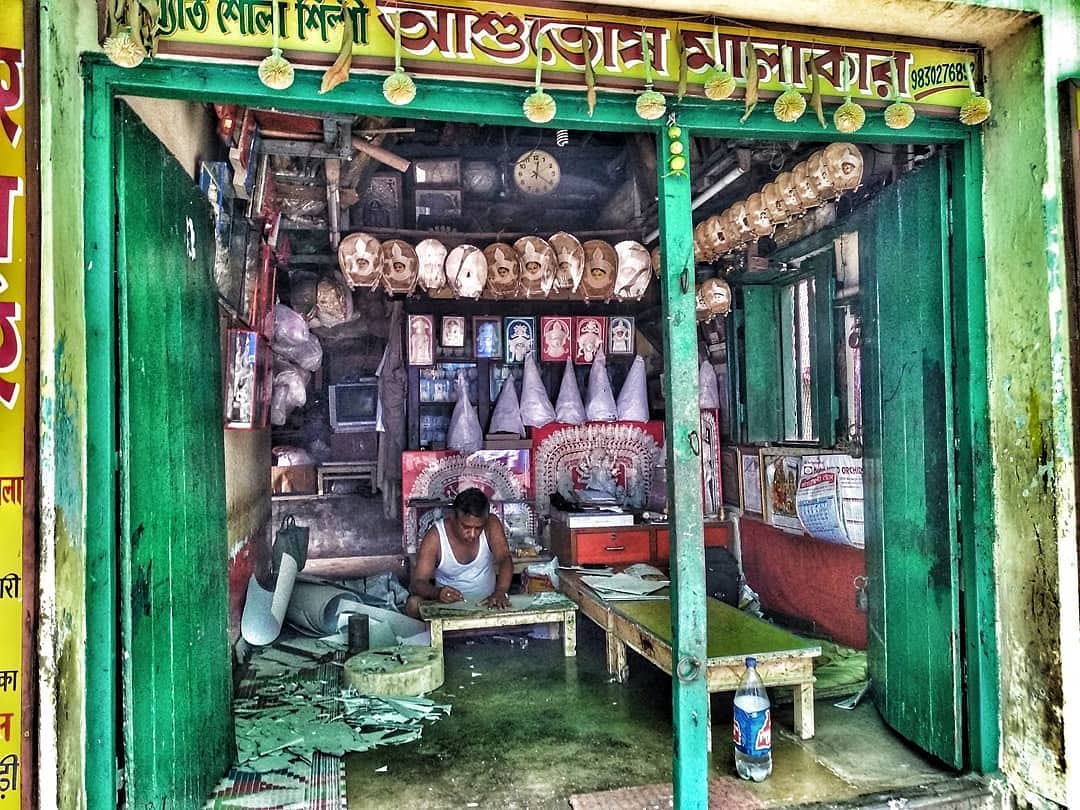
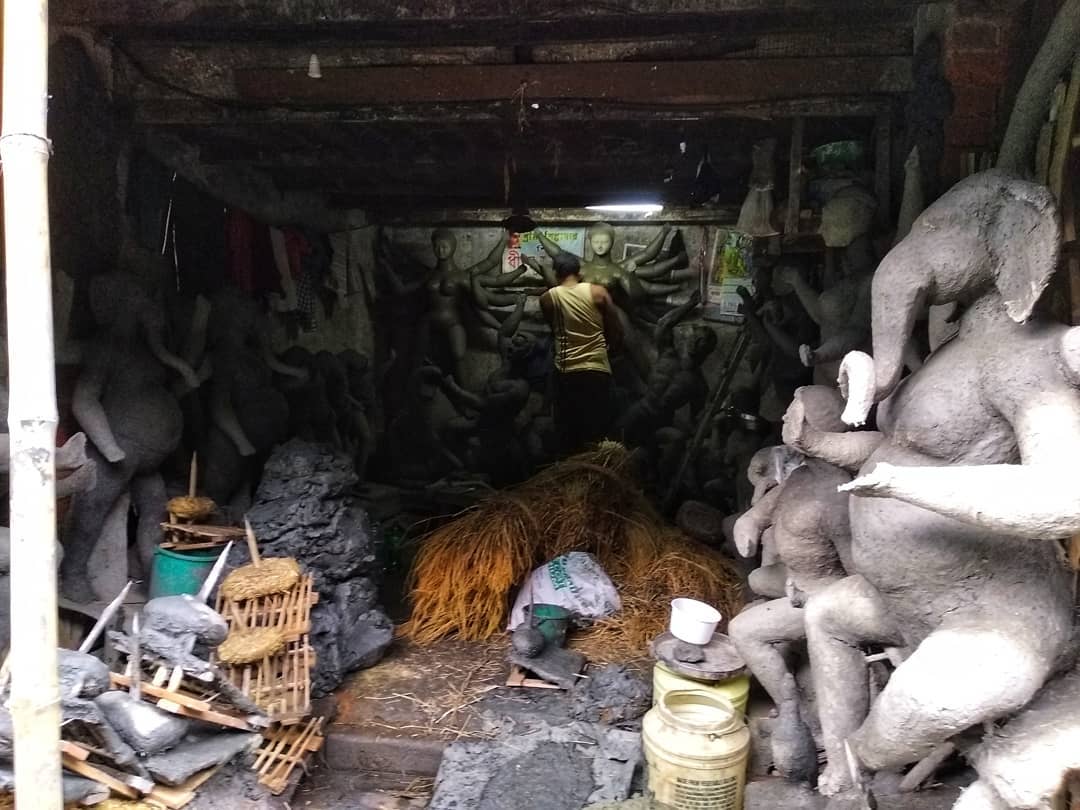
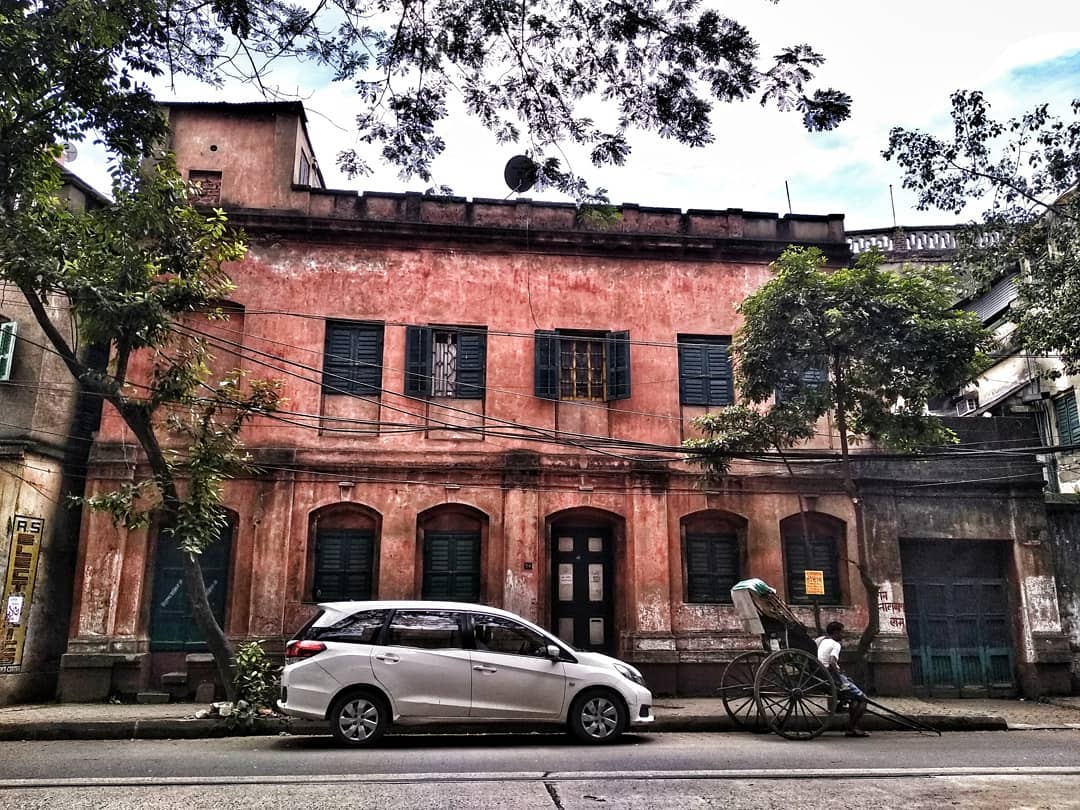

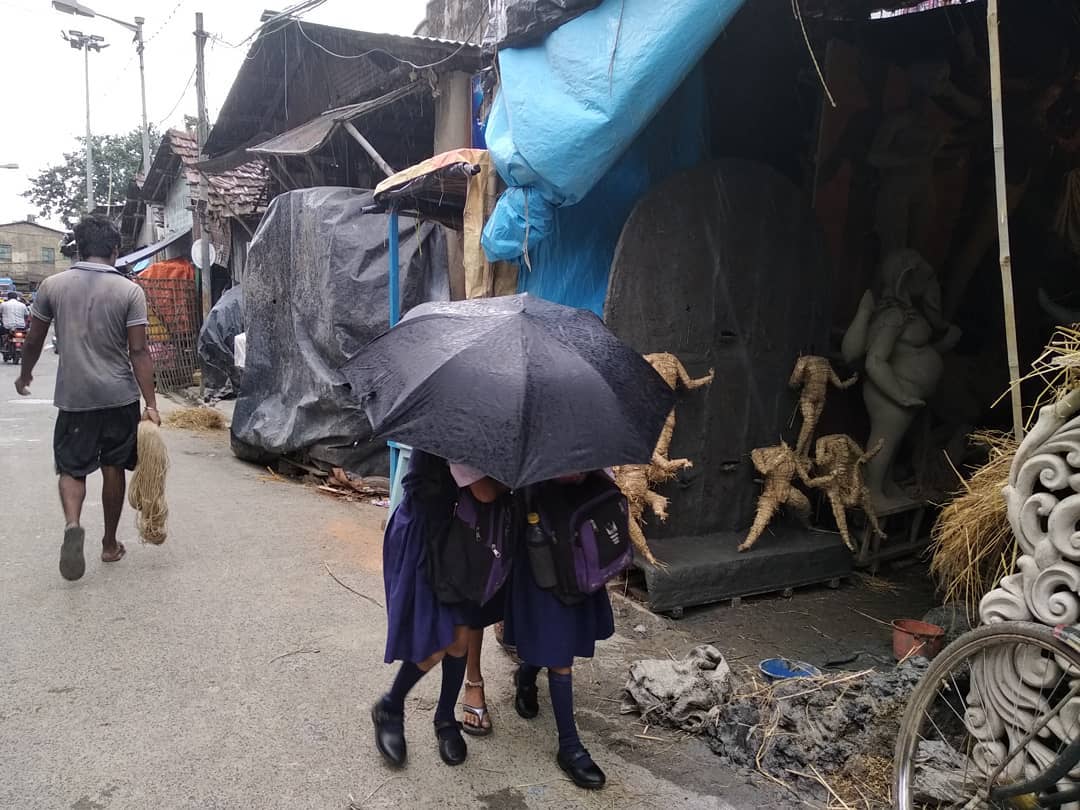
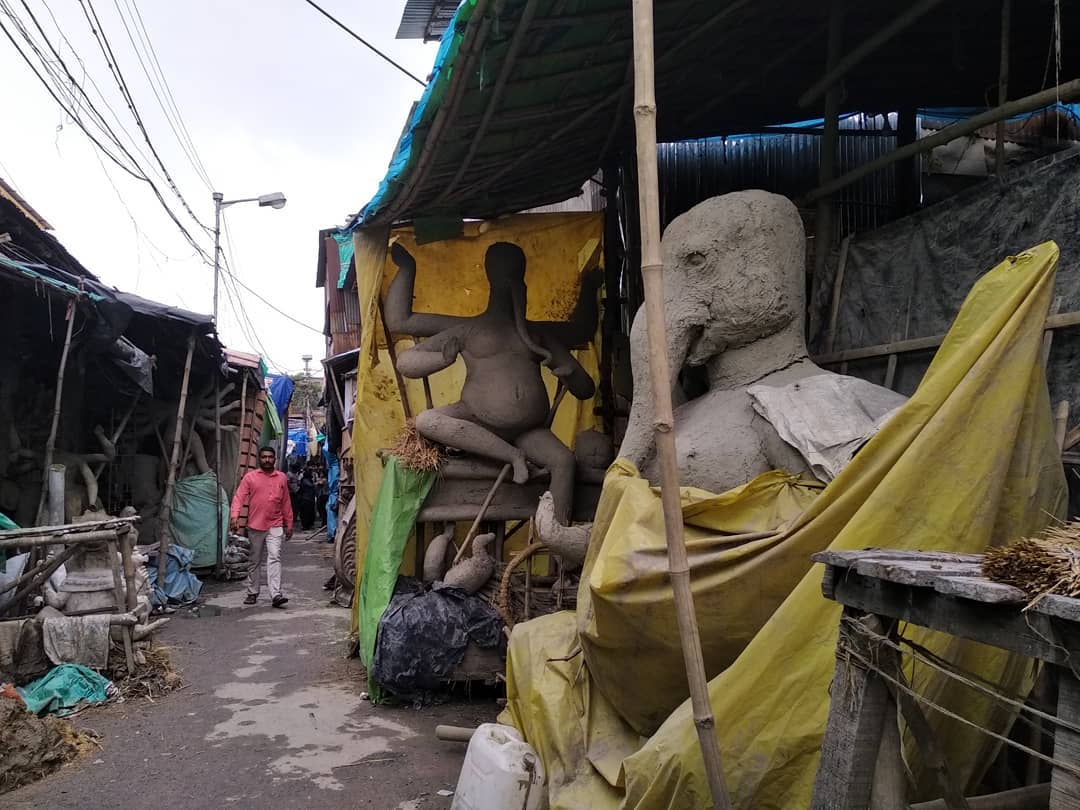
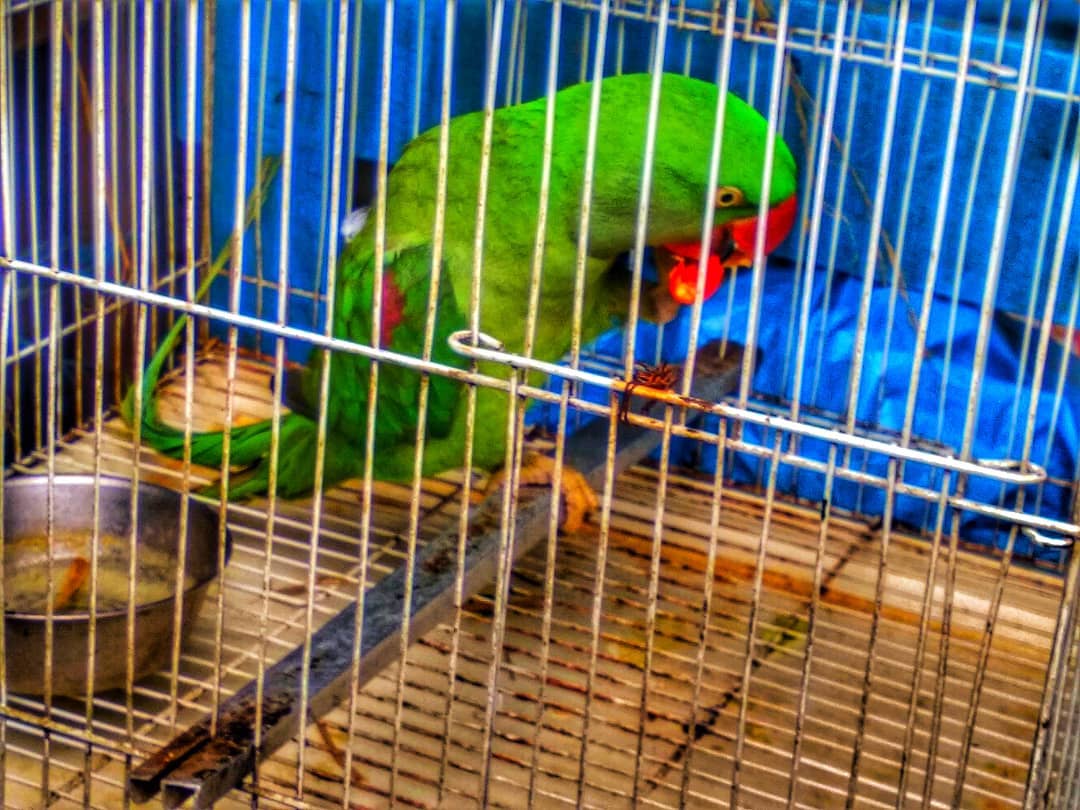
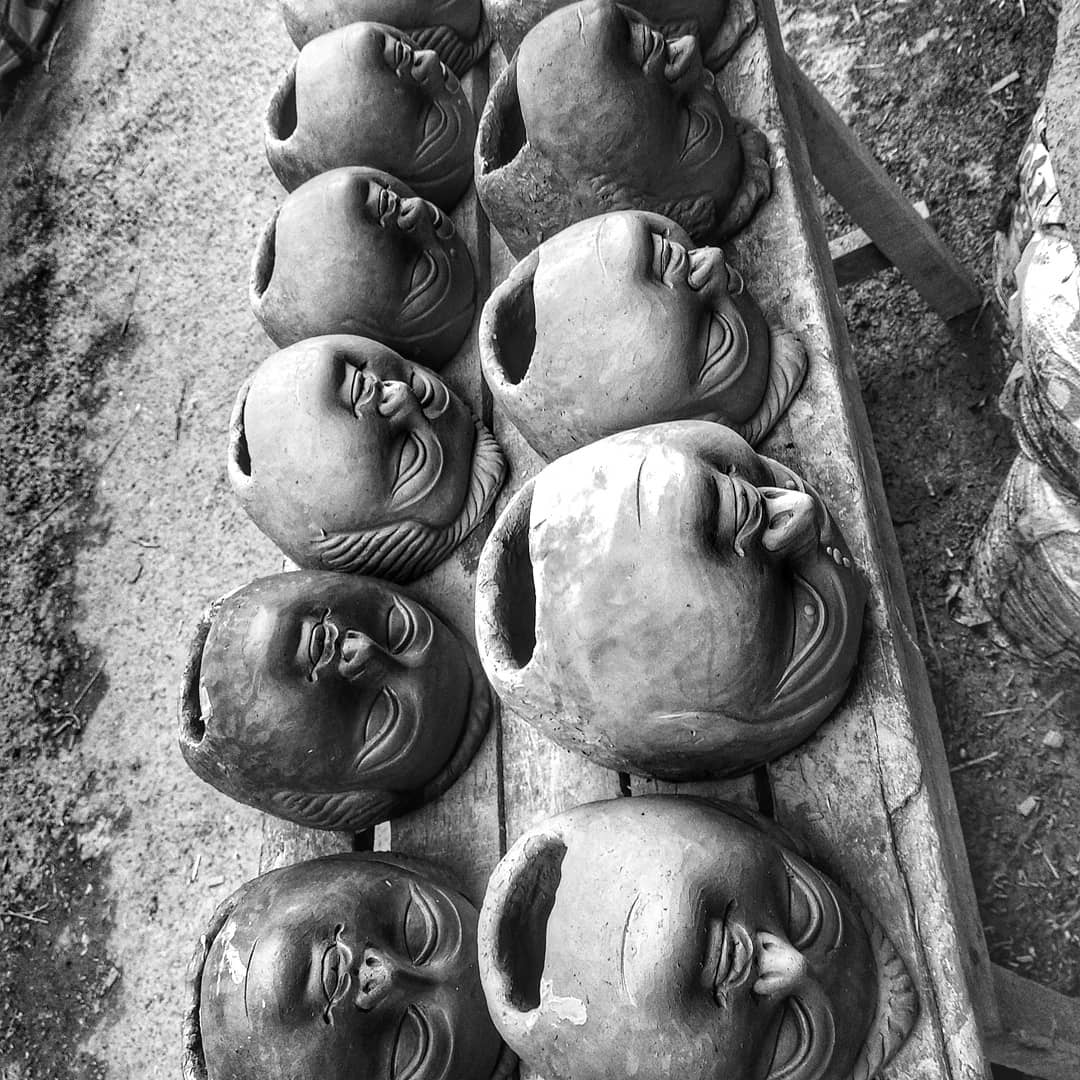
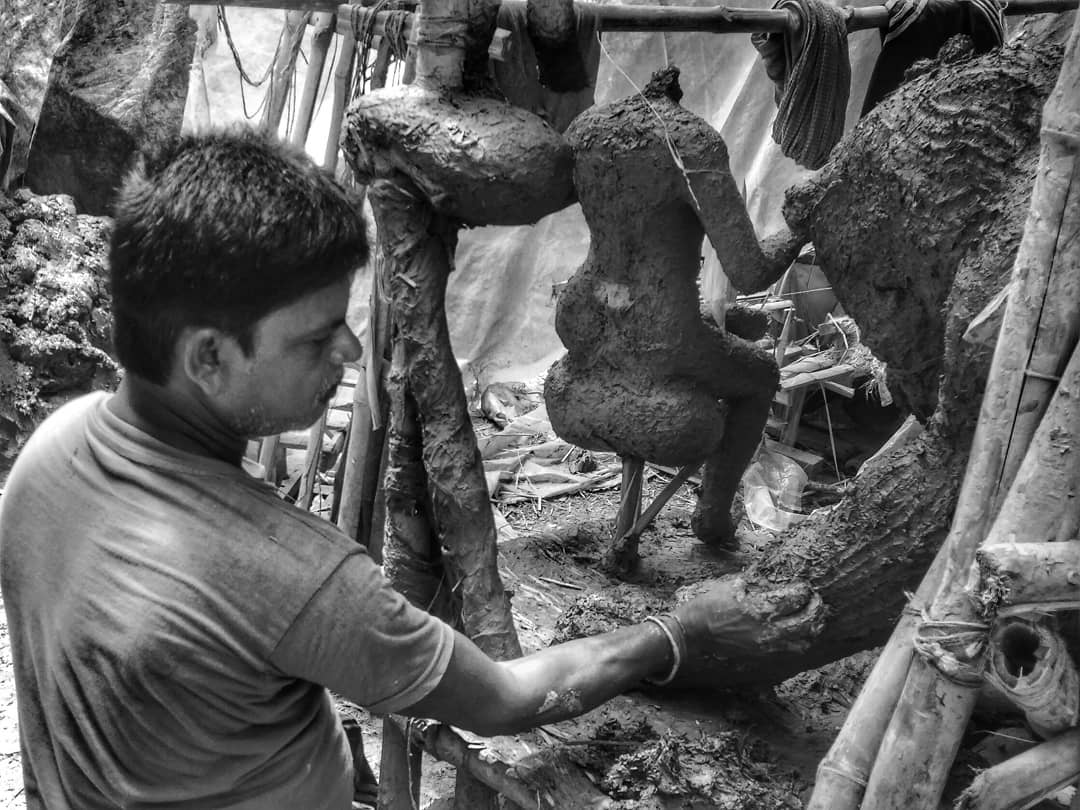


Artisans at work
While we may think that it’s the time to depict the age-old traditions and beliefs, that’s entirely not the case. It’s that time of the year when artists challenge the very thinking and beliefs of society and make it something better. While some of it might steer a controversy, it largely remains acceptable to the people of the Calcutta. It’s a type of festivity were festivity and world thinking merges.


Artworks on Durga
So, true its nature, several people use it to draw attention to some social causes. Like The Missing Durga campaign, last year which showed some of the walls in the city decked up in beautiful graffitis highlighting the cause of child trafficking. Various puja pandals and artisans depict such social causes through Durga puja theme.


Missing Durga Graffiti
Down to the common people, the very essence of the festival enshrines a cultural activity which favors different kinds of profession. There’s a robust community of writers and magazine owners who look forward to this season to get their hard earned labor published. The readers too wait with bated breath for puja special magazines called “Pujo Sonkha”.


Pujo Sonkha of “Anandmela” and “Sandesh” – 2 popular Bengali literature magazines
The musicians, on the other hand, wait for this time to release a puja special album. These days, due to the round the clock album release phenomenon this thing has become redundant. Yet the Puja special music continues.
Every bengali household waits for the radio and television series depicting the goddess’s arrival this time. The early morning trapan to the ancestors and the hearing of Birendra Krishna Bhadra voice every mahalaya on radio calls for a different form of art. So, the television industry is much awake at this festival as anyone else.
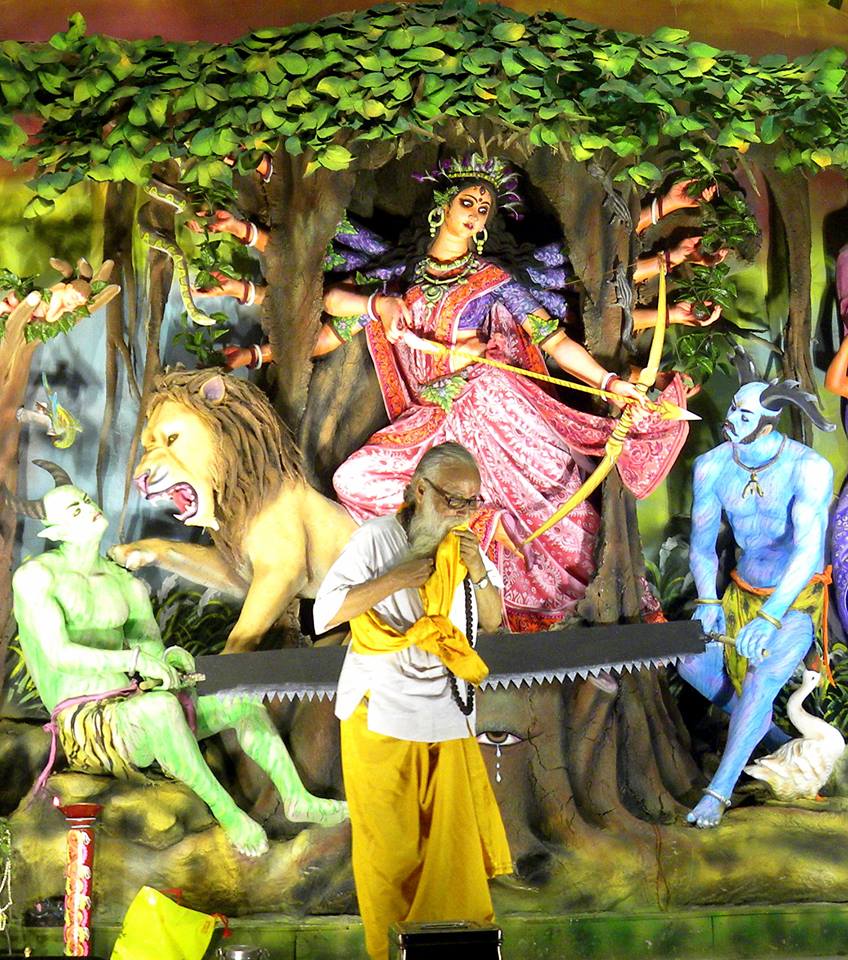
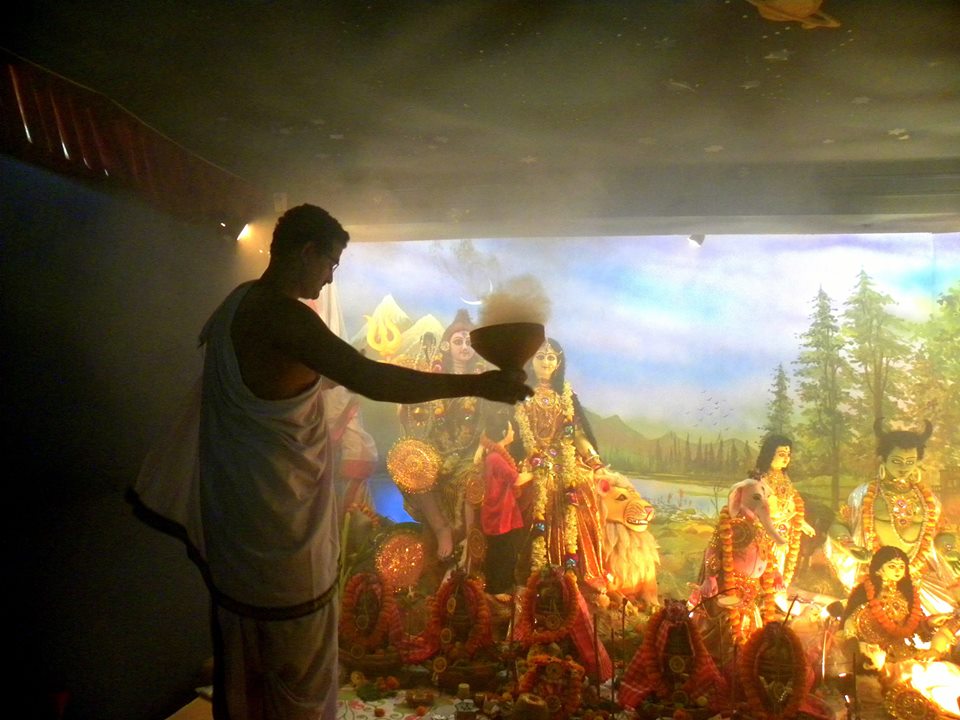
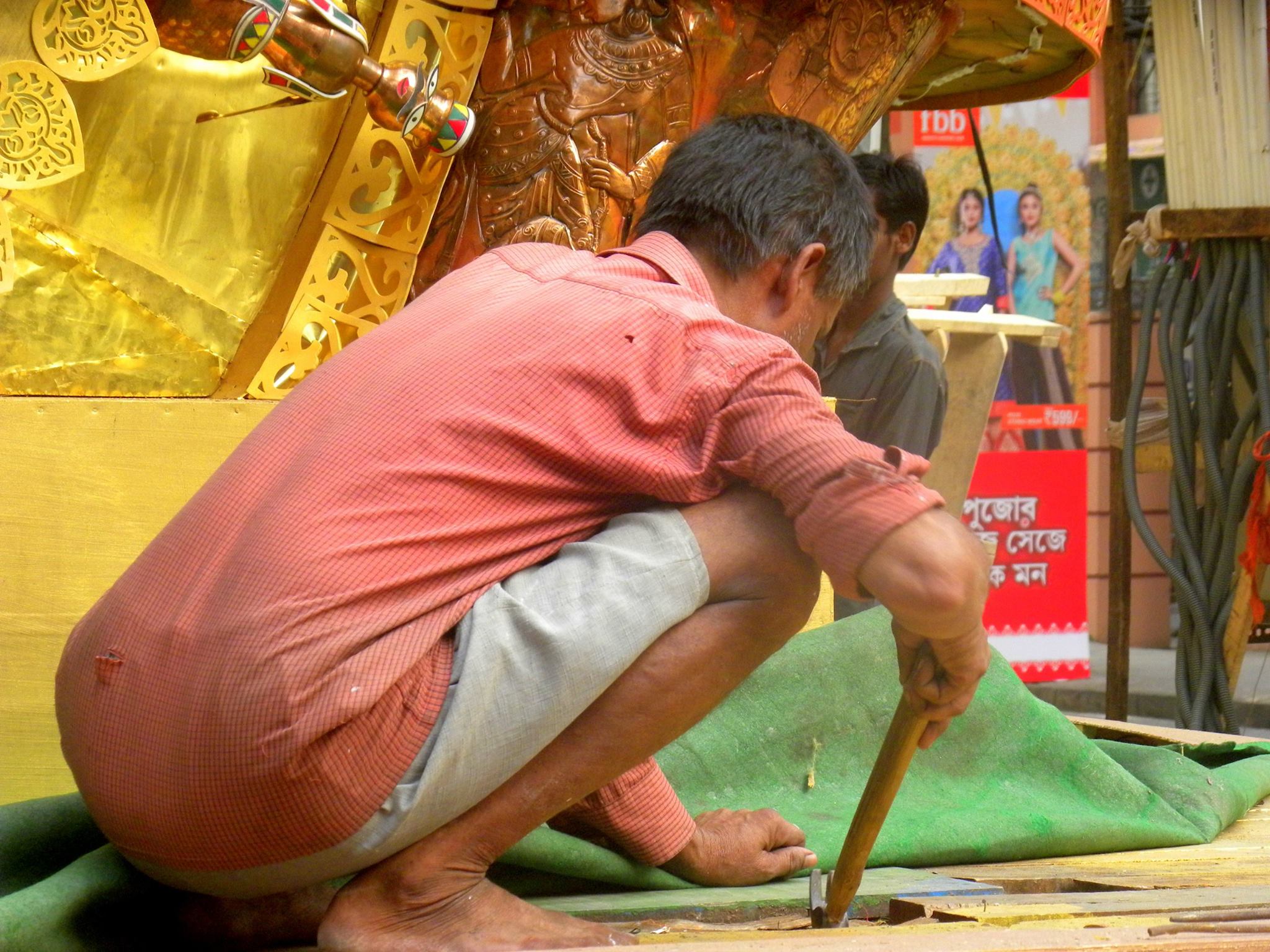
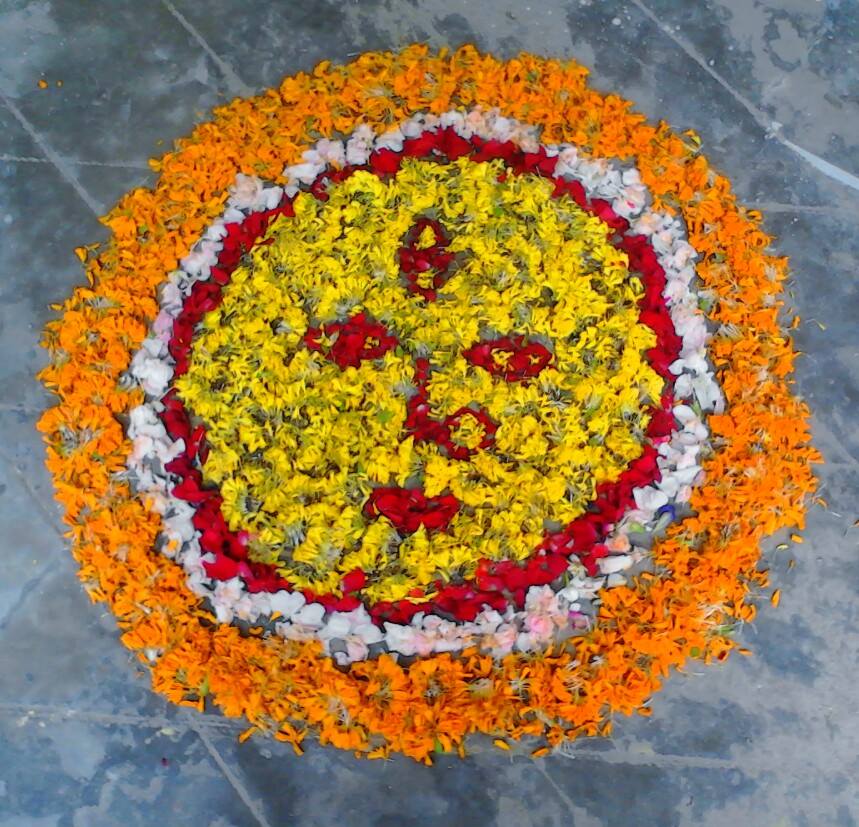
From there, as you slowly venture onto the actual days of the festival, you witness all sorts of artisan activities and the city donning up the clours. Apart from the usual pandal makers, there’s a string of artists decking up the pandals and the streets. You will have artwork all over the place, alponas (a type of graffiti) on the roads, streamline decorations and many such things.


Pandal Making in Progress


The Graffitis and the Graffiti-makers (Art College Students)


Decorations in a local shopping complex
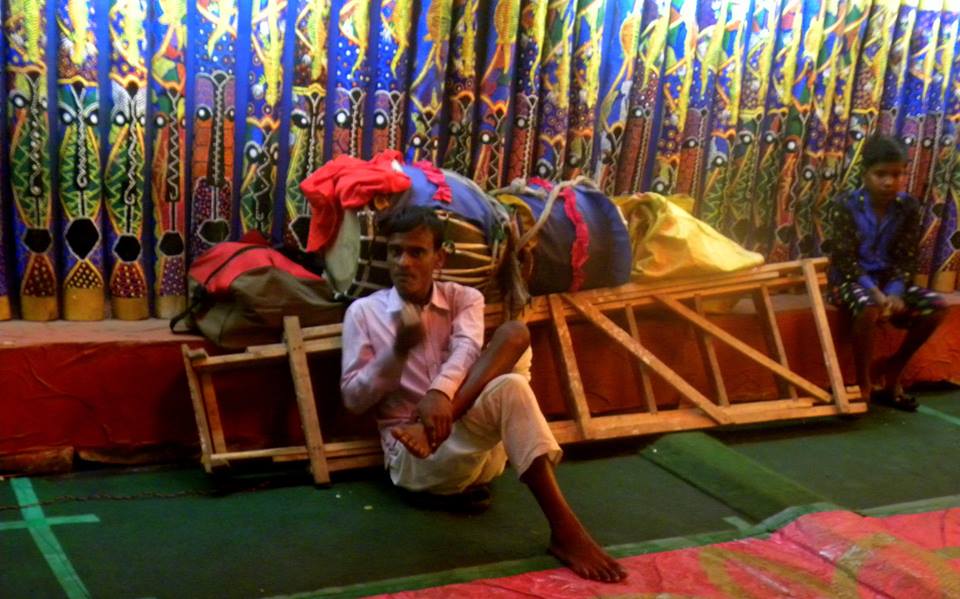
Finally, when you come to the actual days of the festivity, you will hear a strange drumming in the horizon. That’s the music for Durga Puja. The village drummers called “Dhakkis” coming to the cities to earn a livelihood here. That’s another form of art.
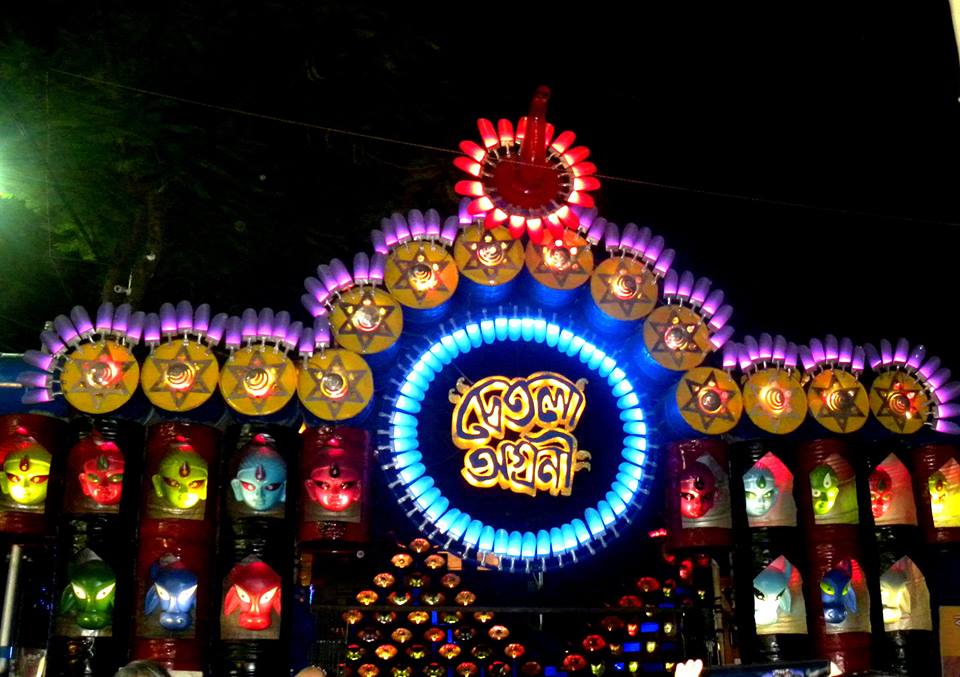
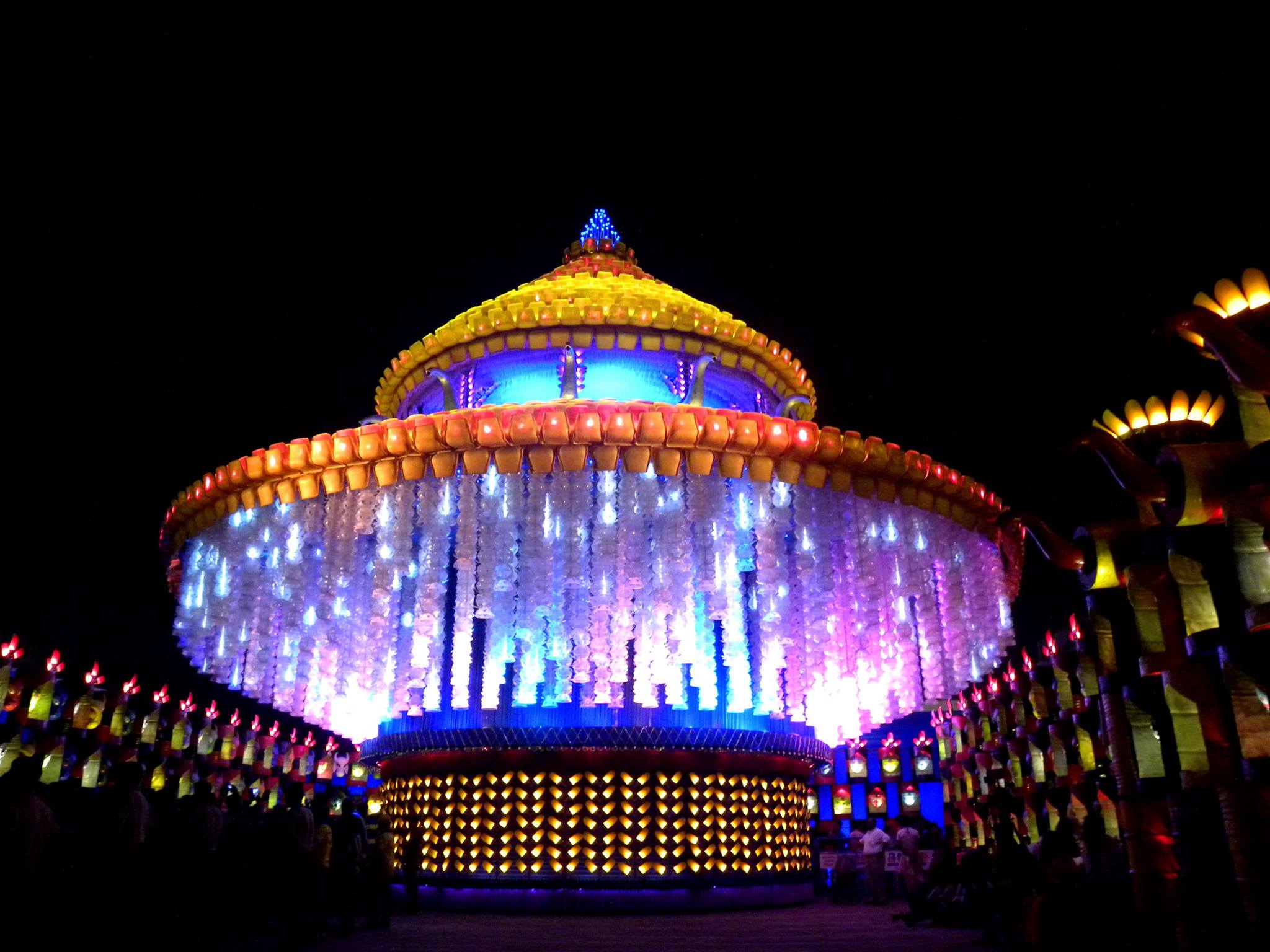
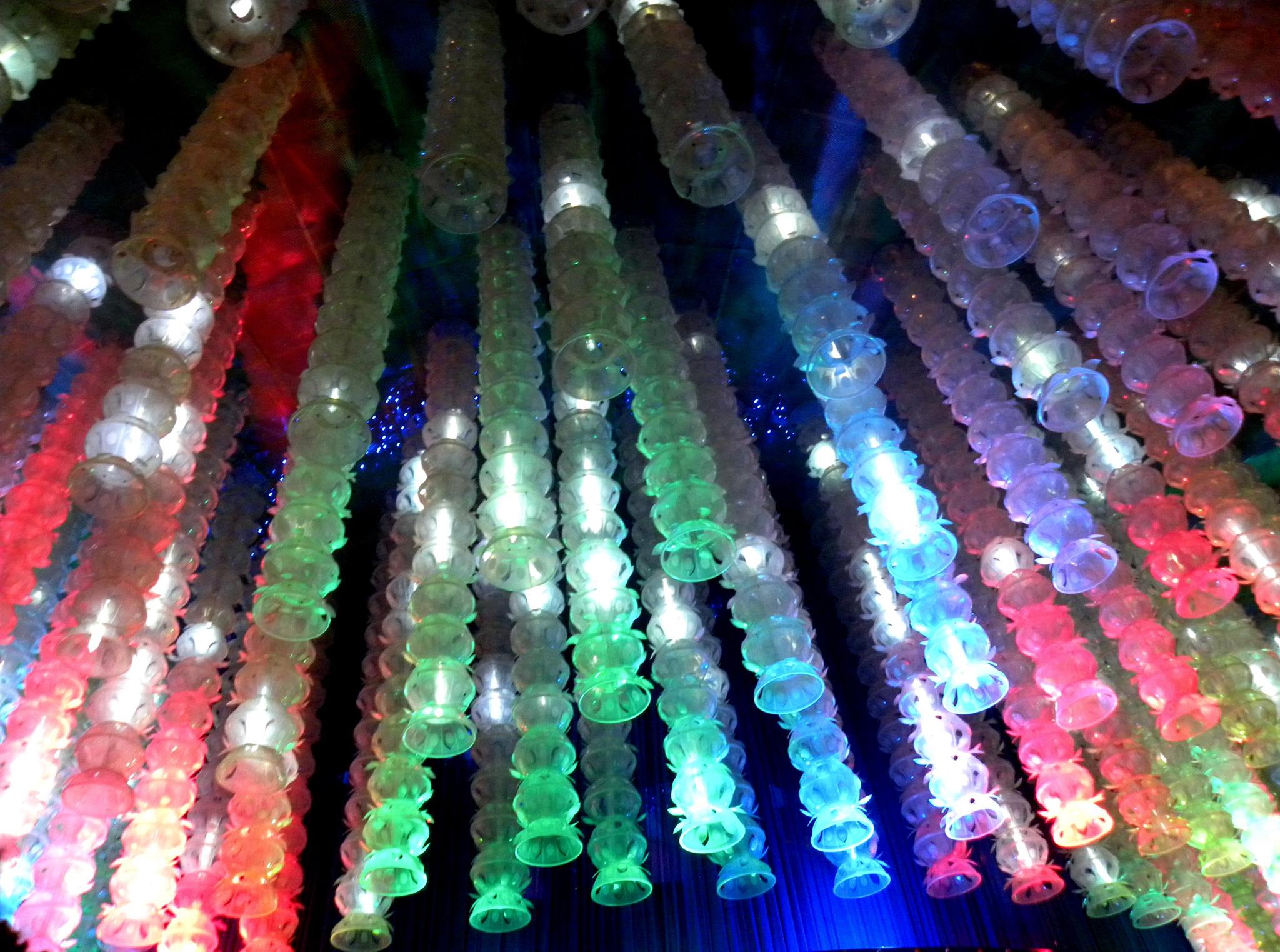
Artworks and decorations in a pandal

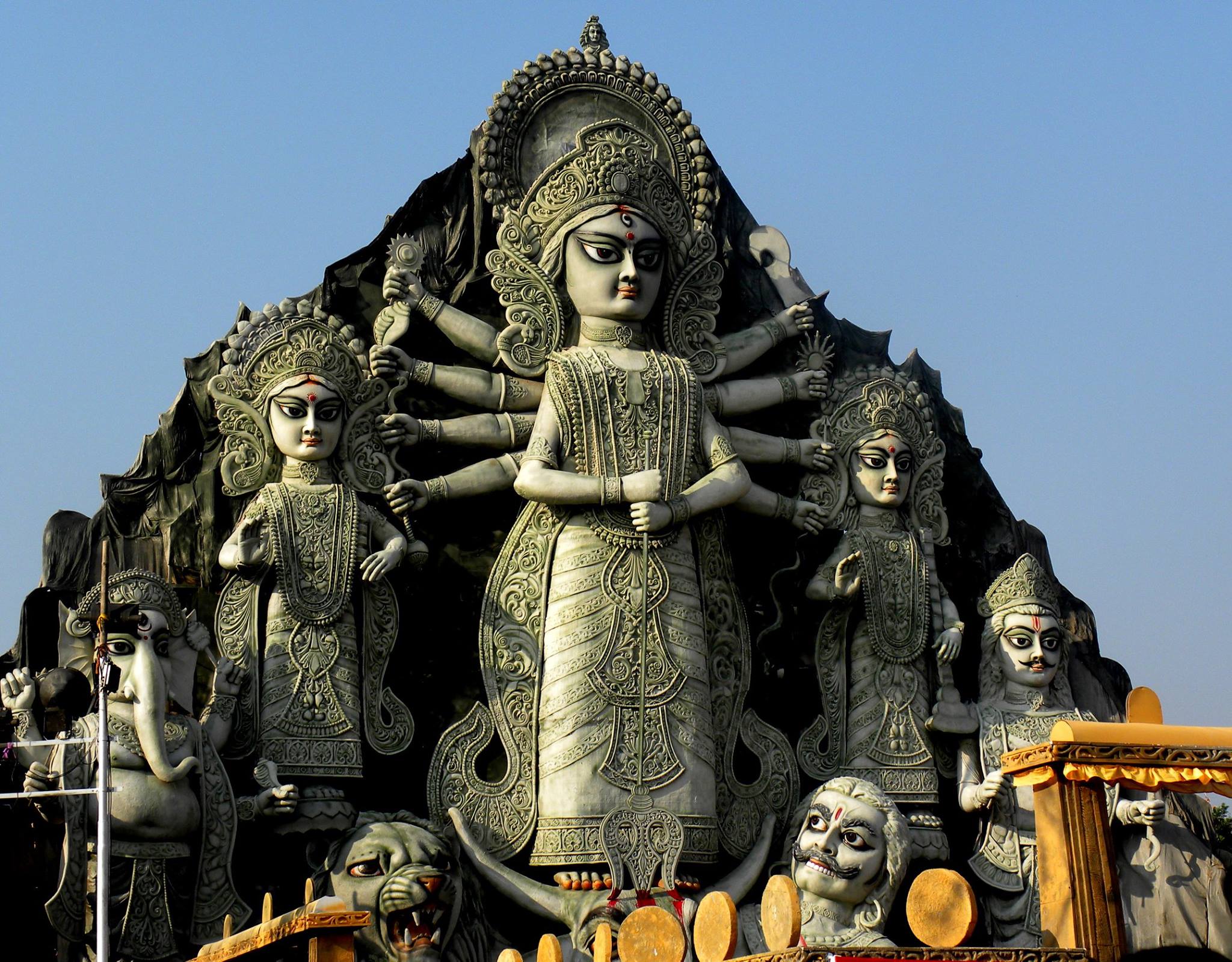
So, the whole festival isn’t about culture and mythology alone. It’s about livelihoods. It’s about living. As much as we live today it’s because of such disappearing livelihoods.
 Agantuk's Desk - Explore, Implore, Reverberate
Leave a comment