Calcutta has always been a city of confluence. It’s a river city flanked by settlements buried in the treasuries of the past. Much like the river it trails, Calcutta too has witnessed many different habitats – the Jewish, the Parsis, the Christians, the Armenians, the Chinese, the Mughals, the Bengalis, the Marwaris, the Sindhis – all form a part of the Calcutta Chromosome. Being the erstwhile capital of the British Empire and famous trade point at that time, Calcutta harbors a rich heritage much of it is intrinsic to its people and found in the city even today. The Calcutta syndrome is symbolic of these intrinsic identities of the place.
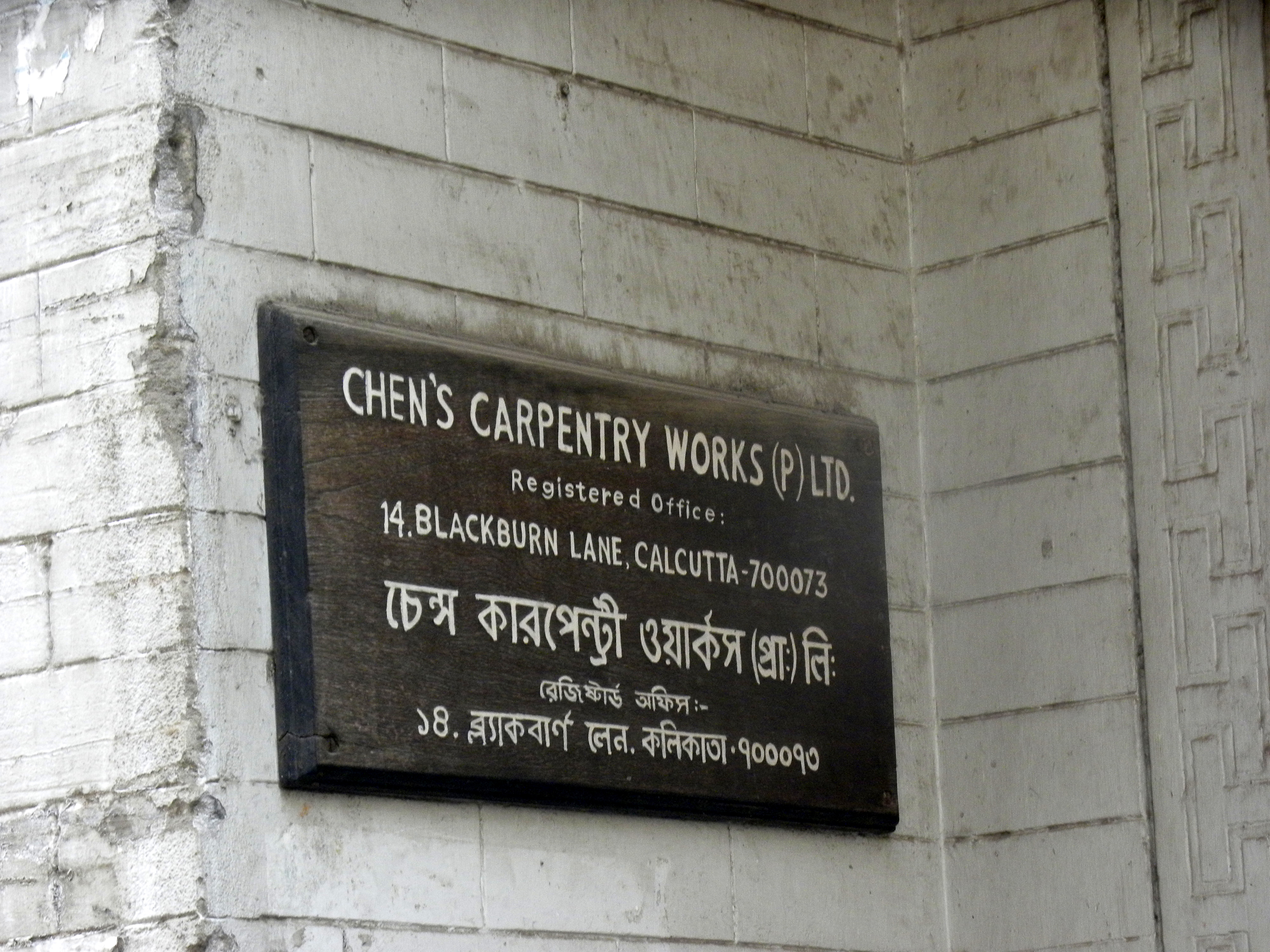
. A Chinese Carpentry Shop at Tiretti
As you go about the city, you will witness this unity in diversity. Each part is endemic to a certain type of people and gradually as the demography changes so do the food, heritage and the outlook of the people. While the north boasts of the exquisite Bengali culture, the central region has been home to Chinese, the Jewish, the Parsis etc.
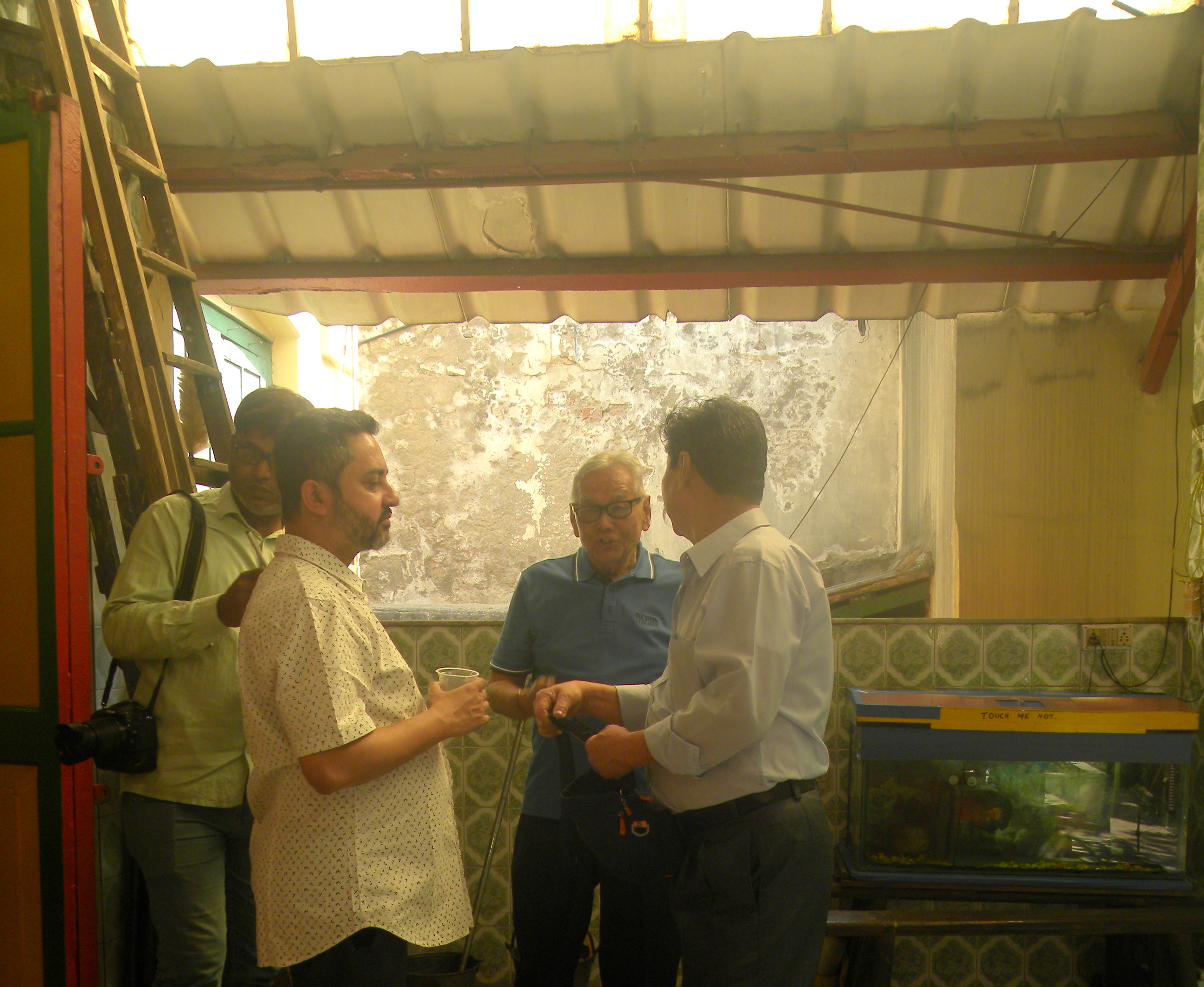
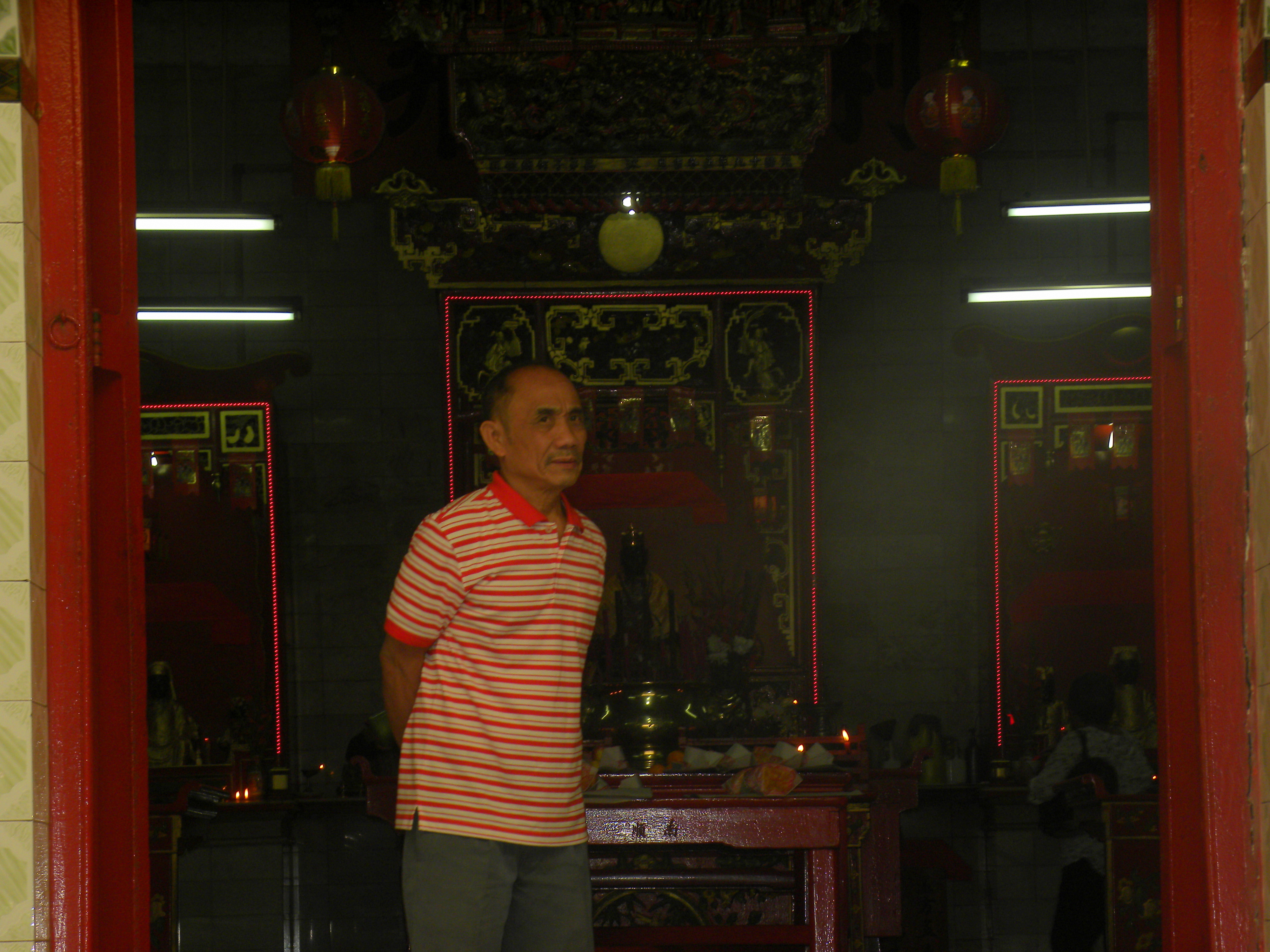
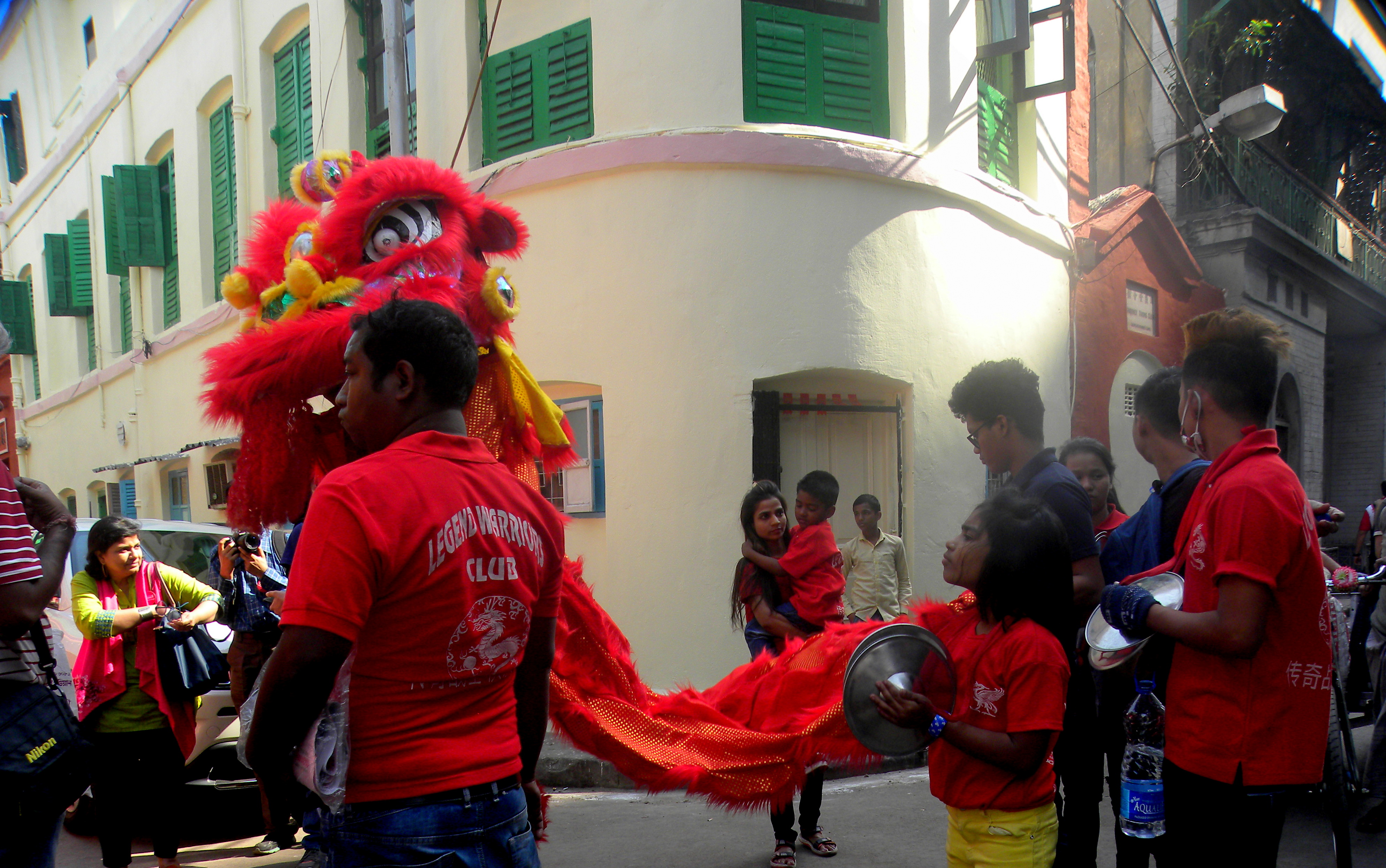
The caretaker of Toong On ChurchSome community members in conversationThe caretaker of Nam Soon ChurchThe Lion Dance
The Old World
Here, in the central region of the city one can find the oldest China town in the country. The settlements started in the 18th century when Tong Achew came in search of trade land for his sugar business. The then Governor General of India Warren Hastings gave him a land near Budge-Budge which is now famously known as Achipur. Recently, they celebrated 300 years of Chinese settlements on 18th March 2018. Despite the failure in business, the Chinese community survived in Calcutta and several of them still reside in the bylanes of Tiretti, the old china town. Many of them have shifted to the east of the city, called Tangra but still, this old block retains the old world charm. this has made Calcutta, the only city with 2 China Towns.
The bylanes of Old China Town
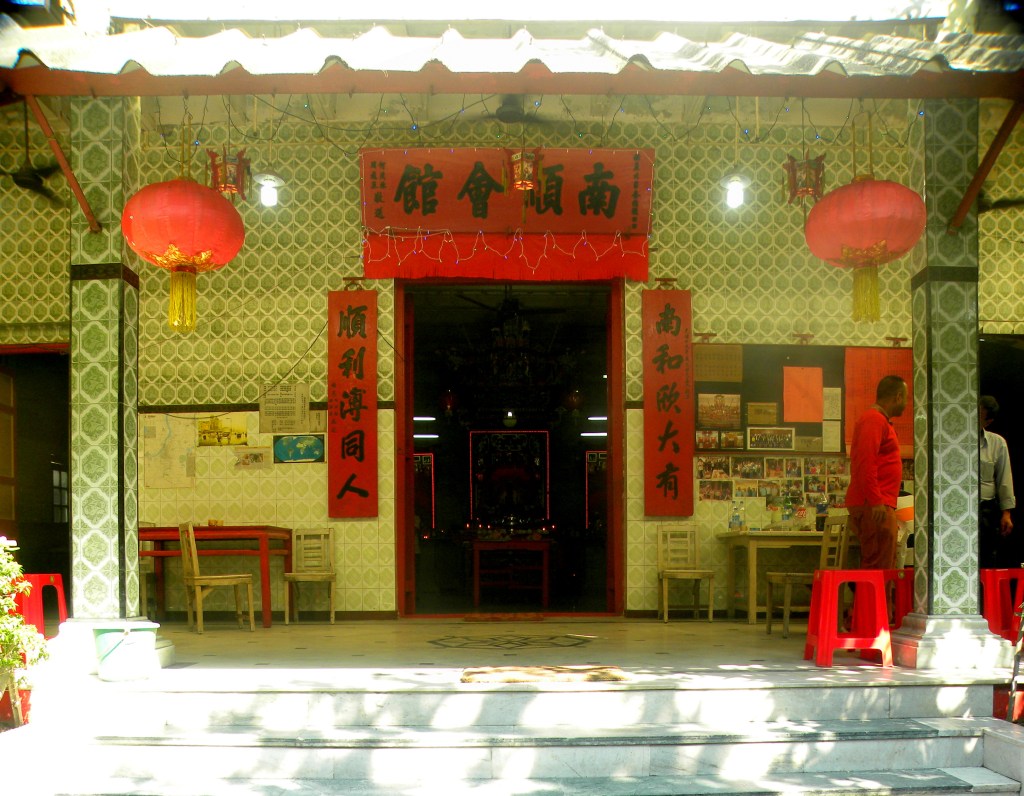
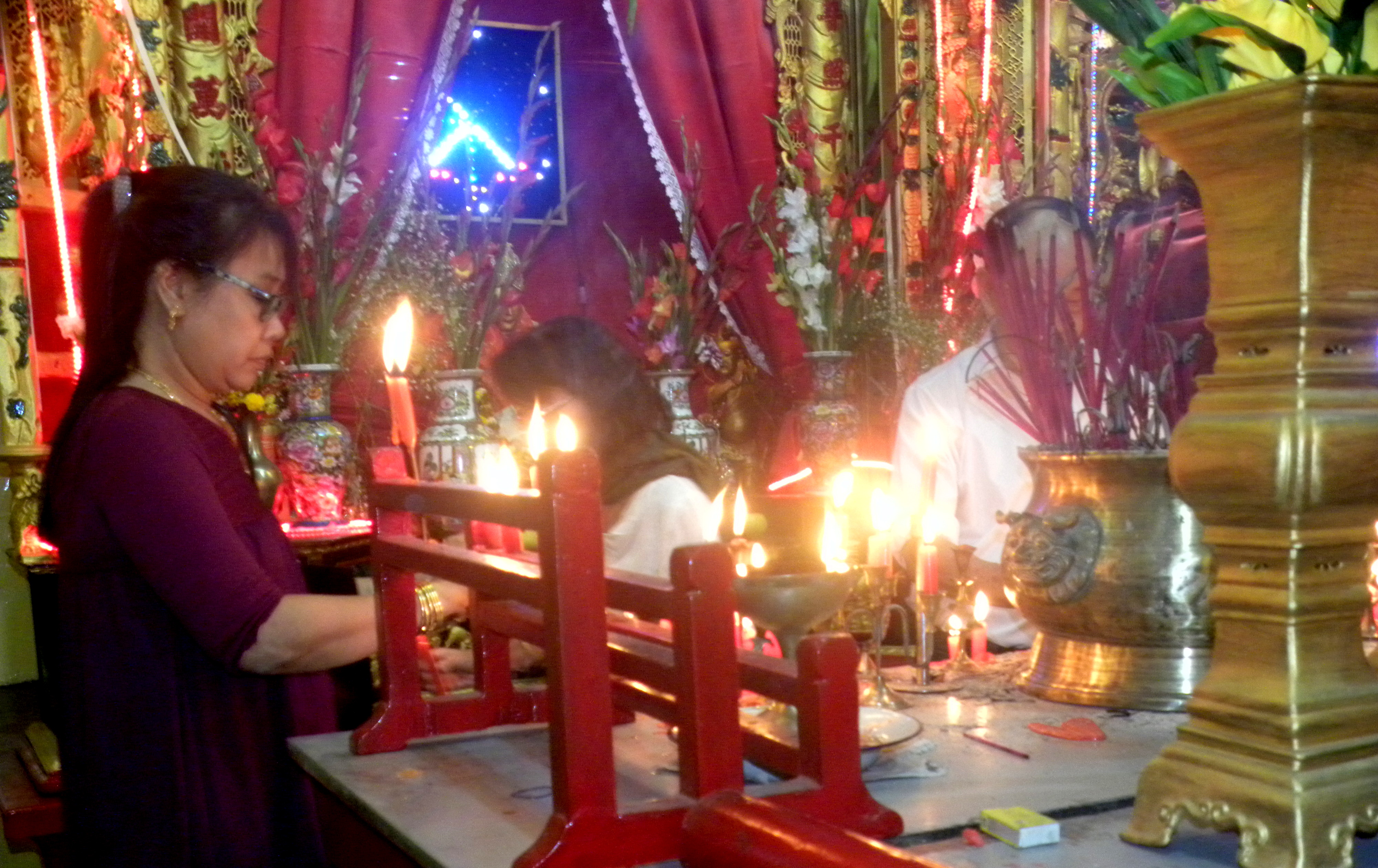
Now coming to the place and it’s culture, Tiretti, our own little china town has survived through ages of the onslaught and it still does despite the difficulties in retaining it. The ethnic temples of the locality bear testimonial to that. There are 6 Chinese temples or churches in this area, of which the oldest one Nam Soon dates back to 1821. Much of these churches retain their old world charm dignified by old customs and rituals.
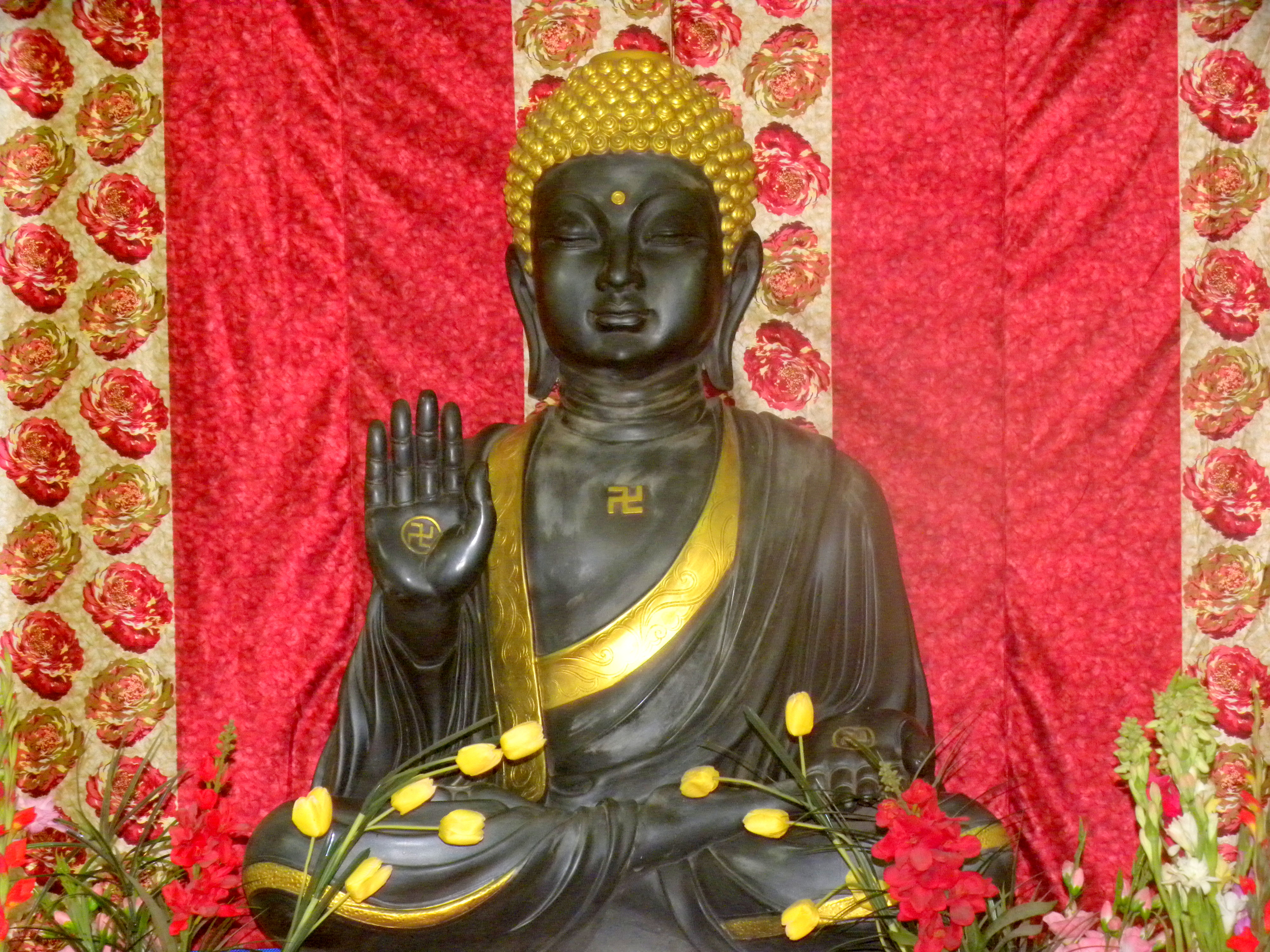
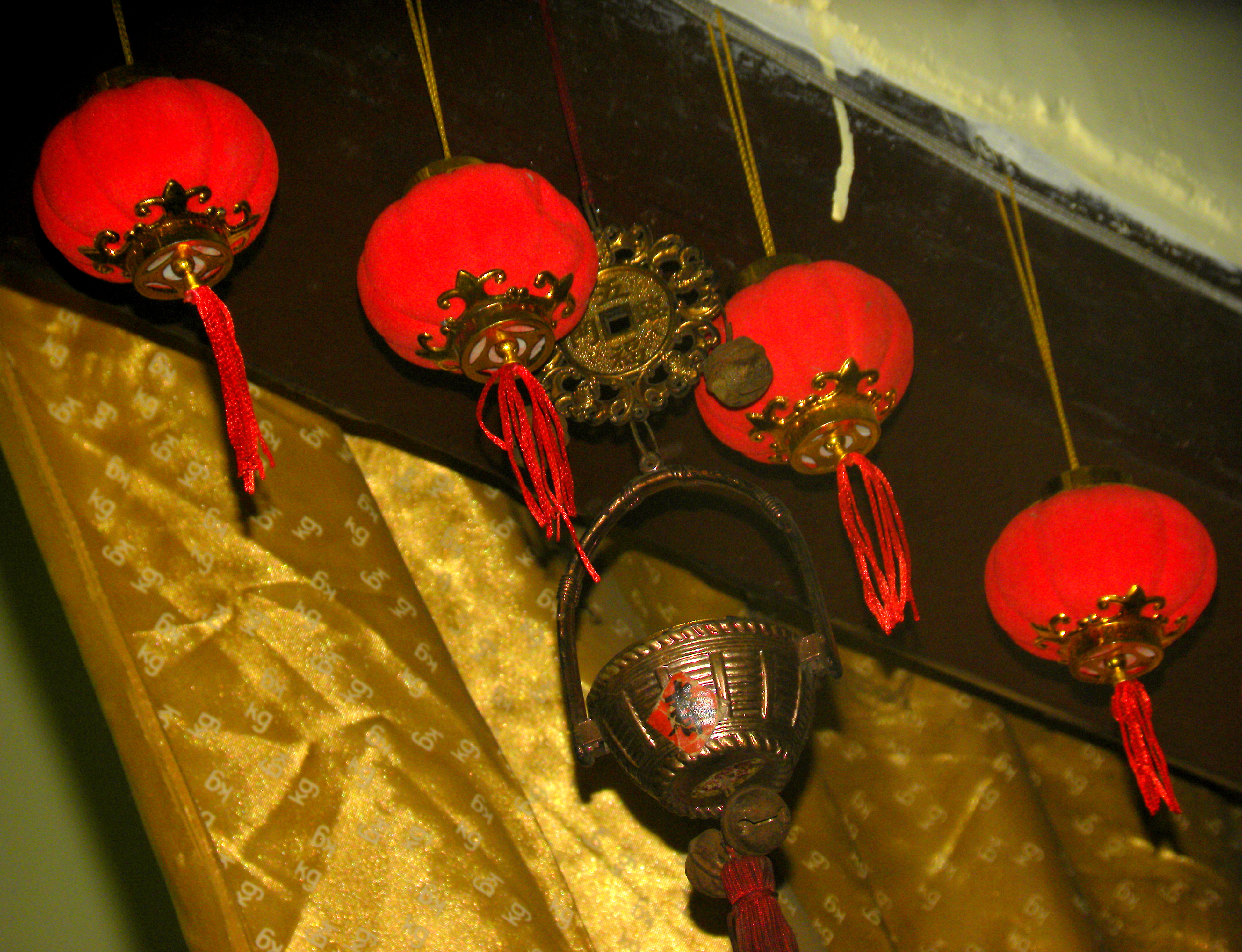
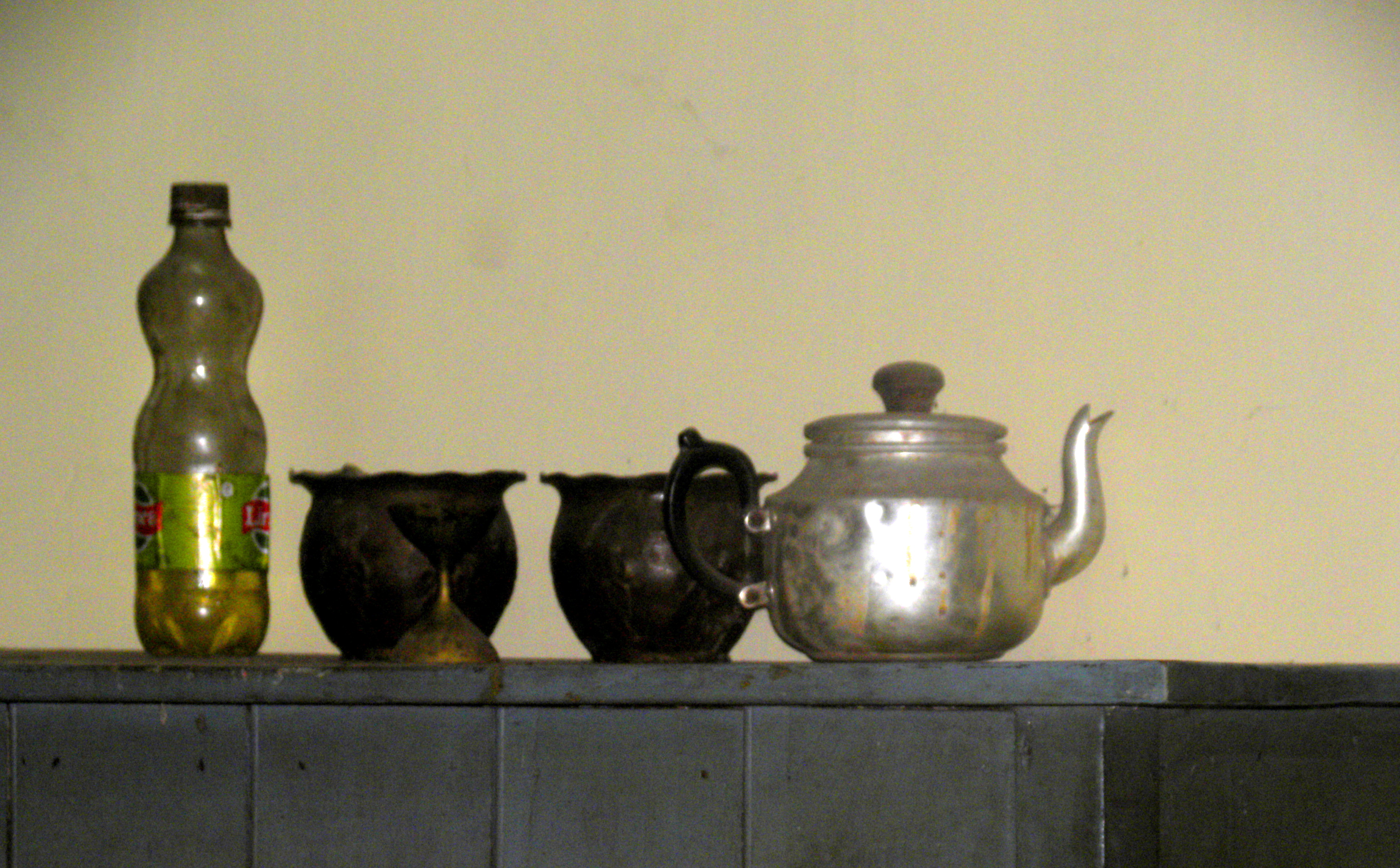
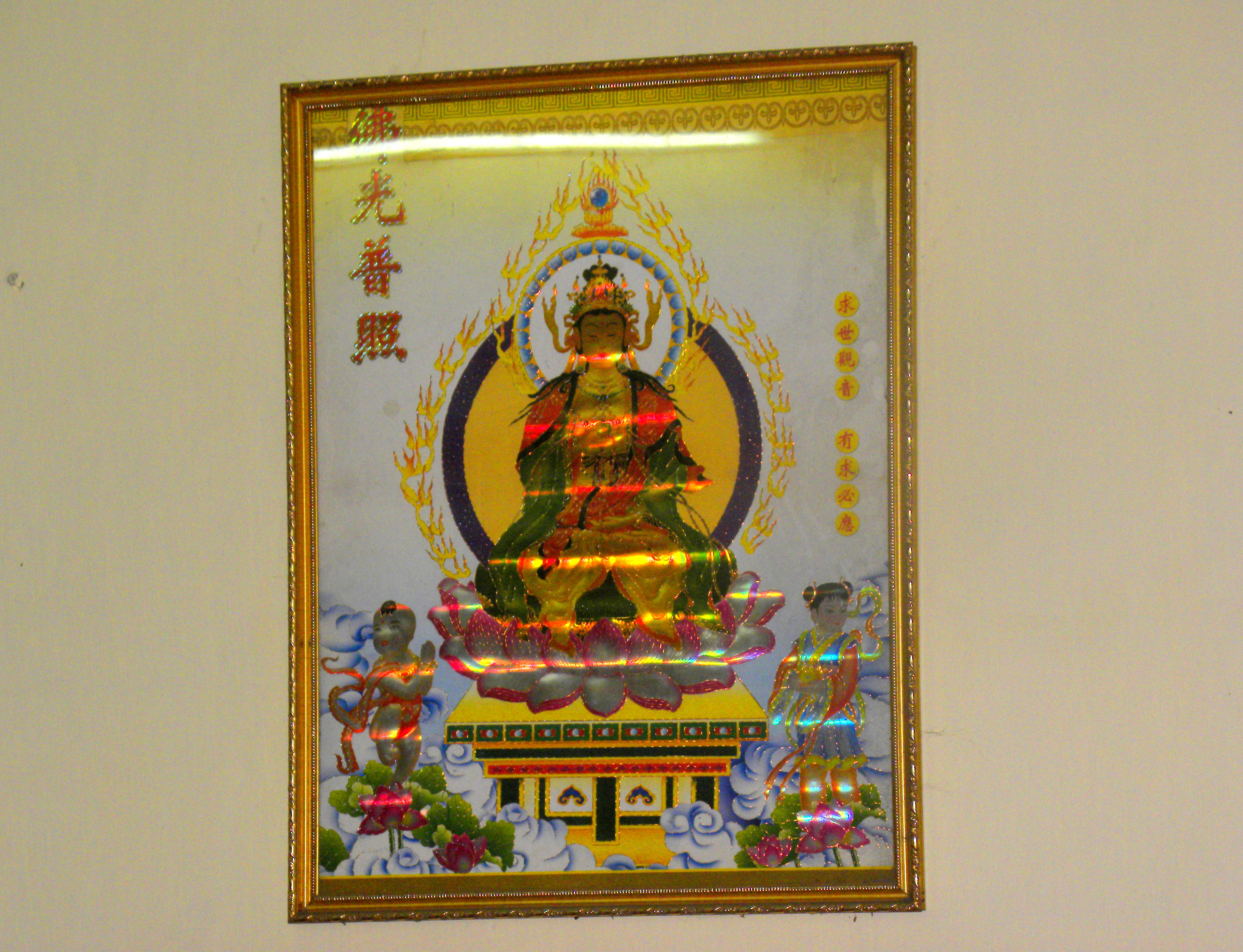
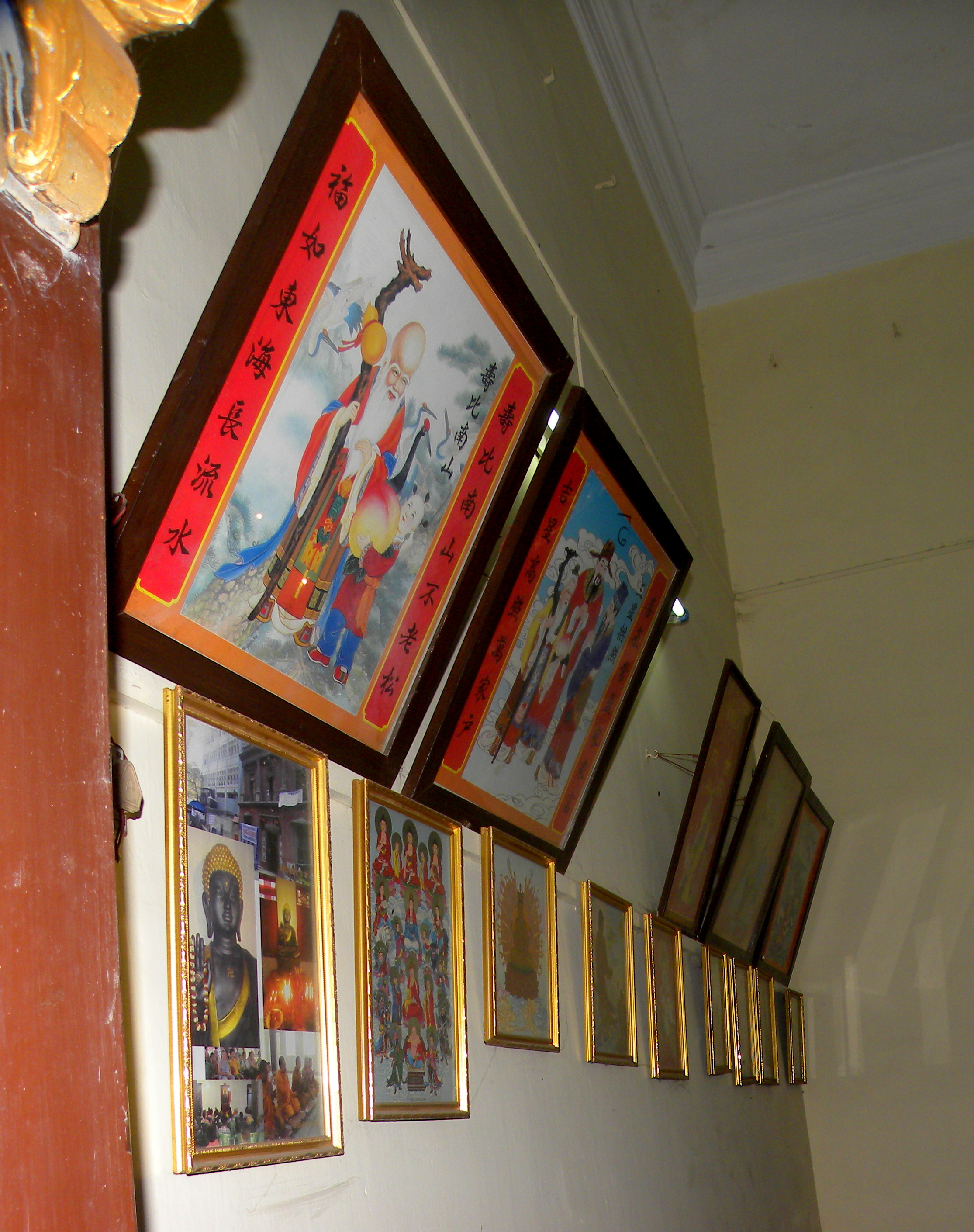
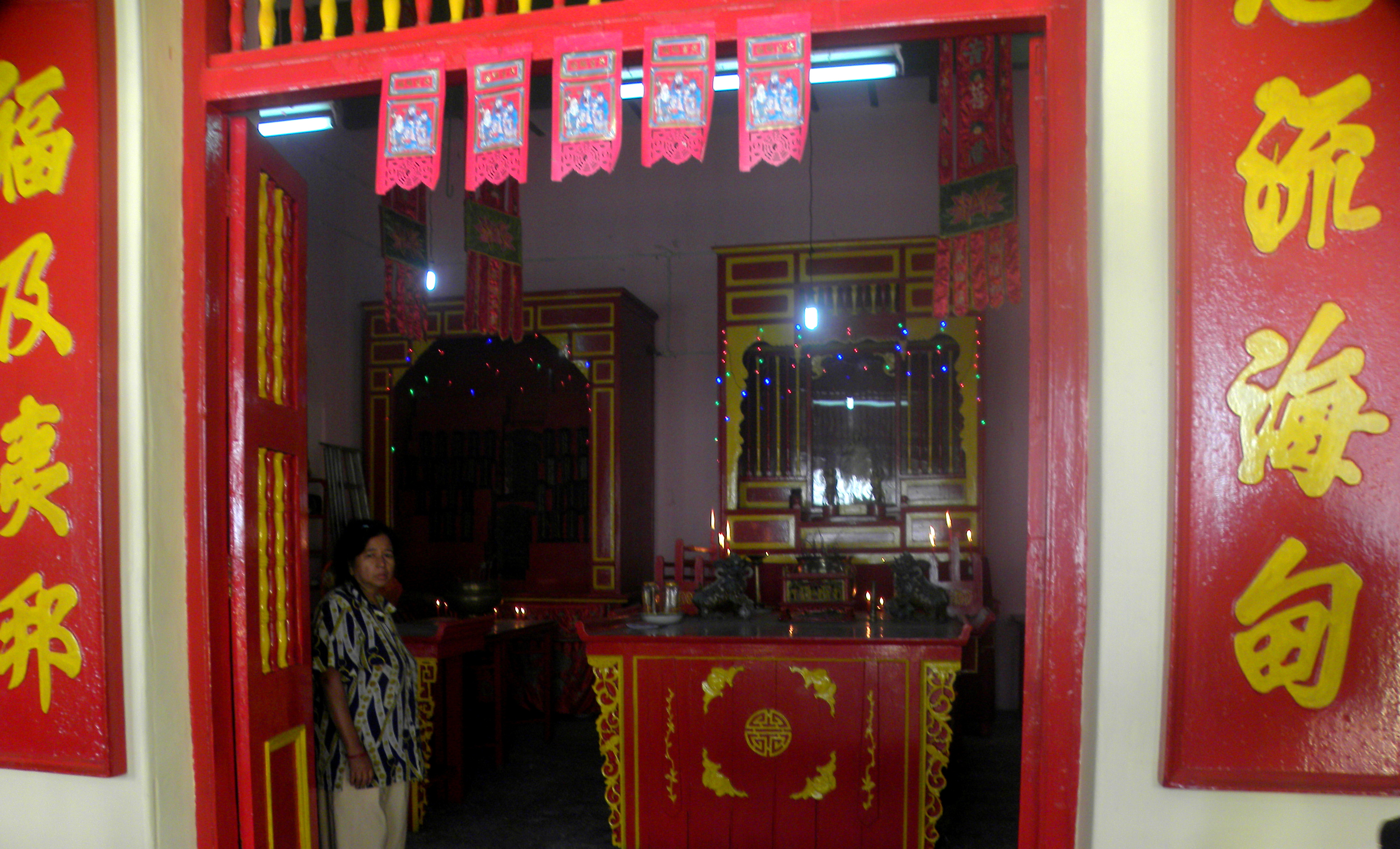
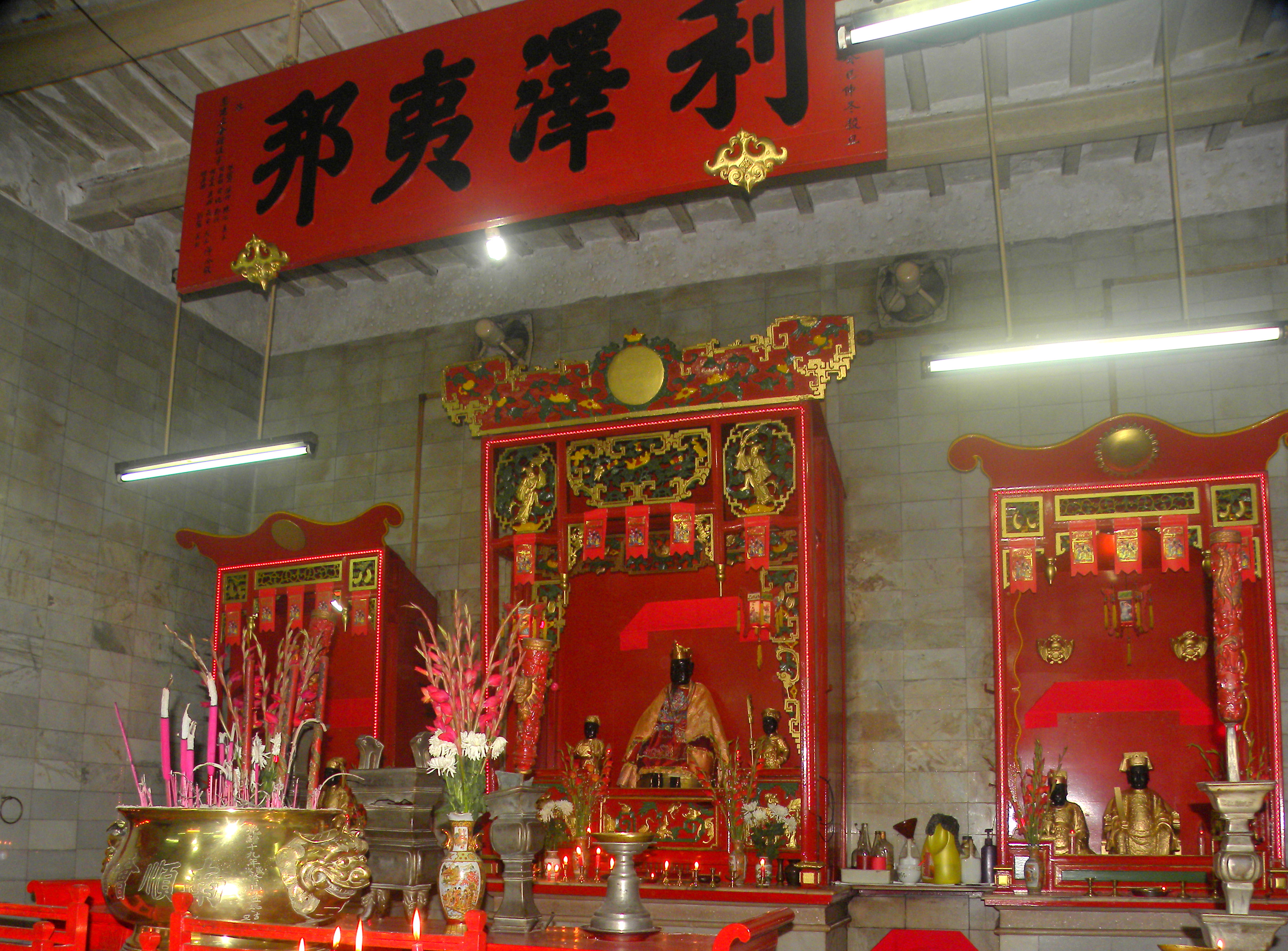
Inside the Nam Soon ChurchThe Buddha Statue at Toong On ChurchDecorations at the ChurchUtensils used at the church
The Old Calcutta Chinese Churches
The 6 churches (with their adresses) are :
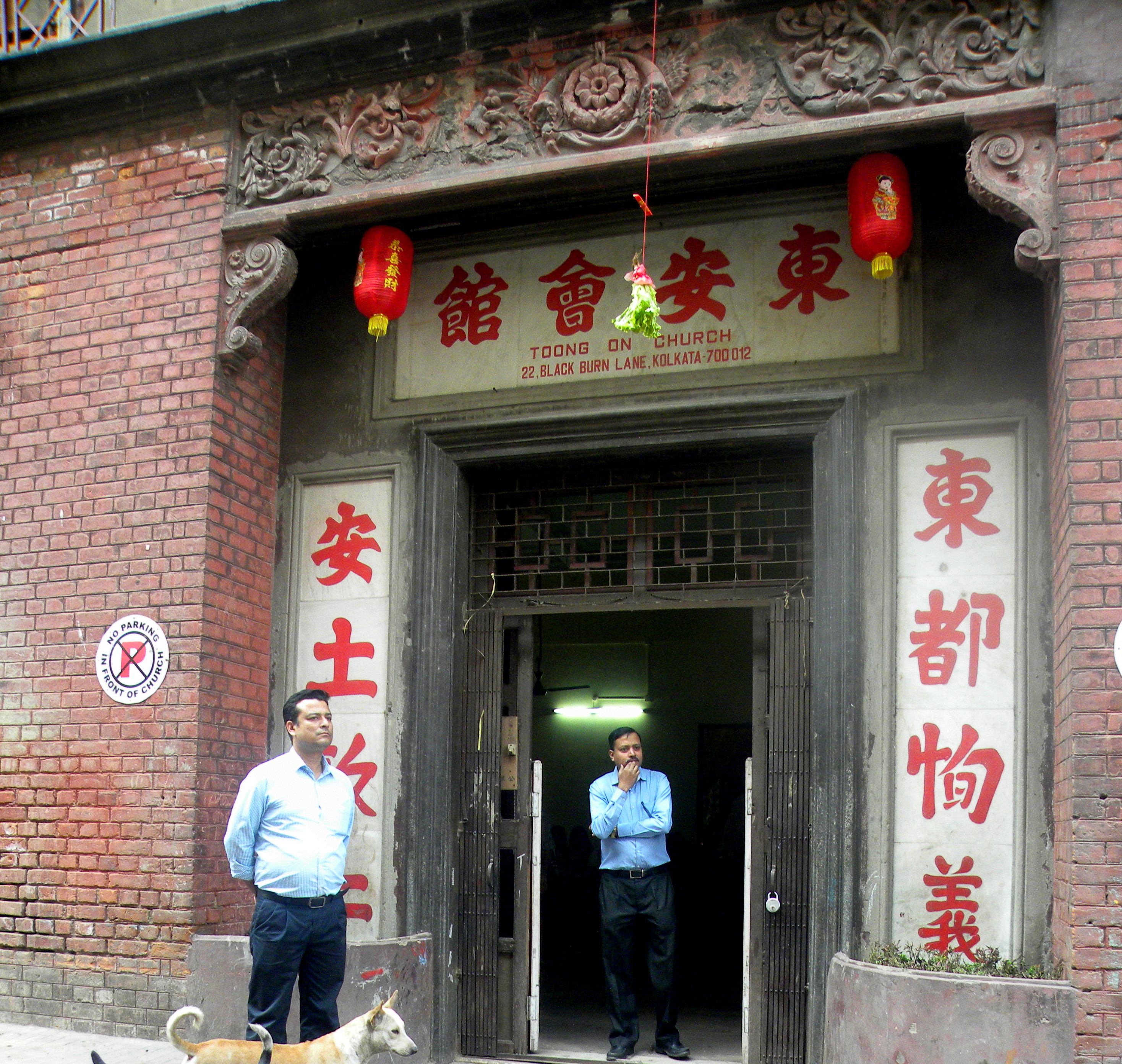
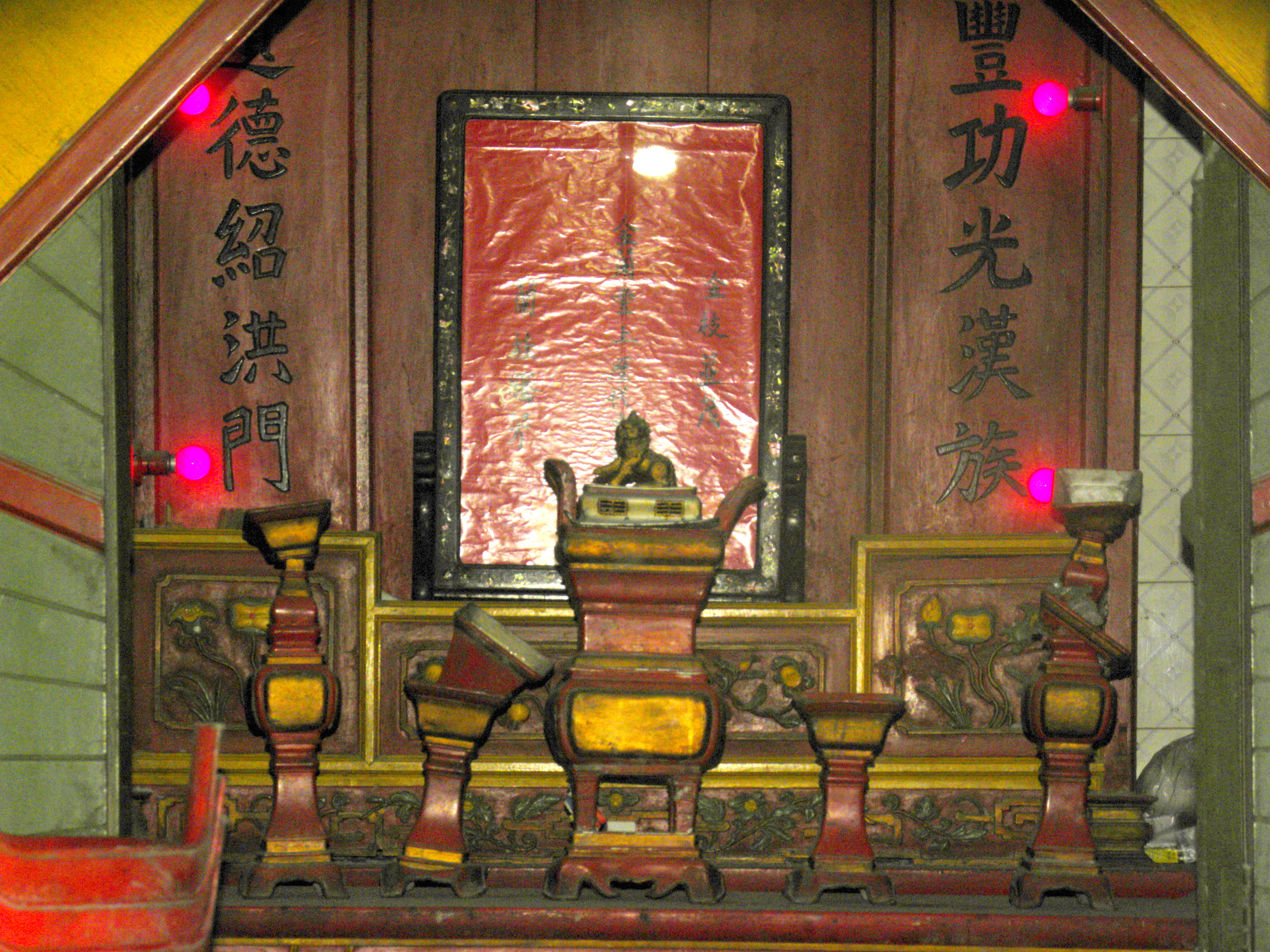
Toong On: 22 Black burn lane (in the alley of Garbage Dump of the municipality just before the Telephone Exchange). This place housed the first chinese restuarant of India, Nan King which was frequented by bollywood icons like Raj Kapoor and Dilip Kumar.
Toong On Church, 22 Black burn lane
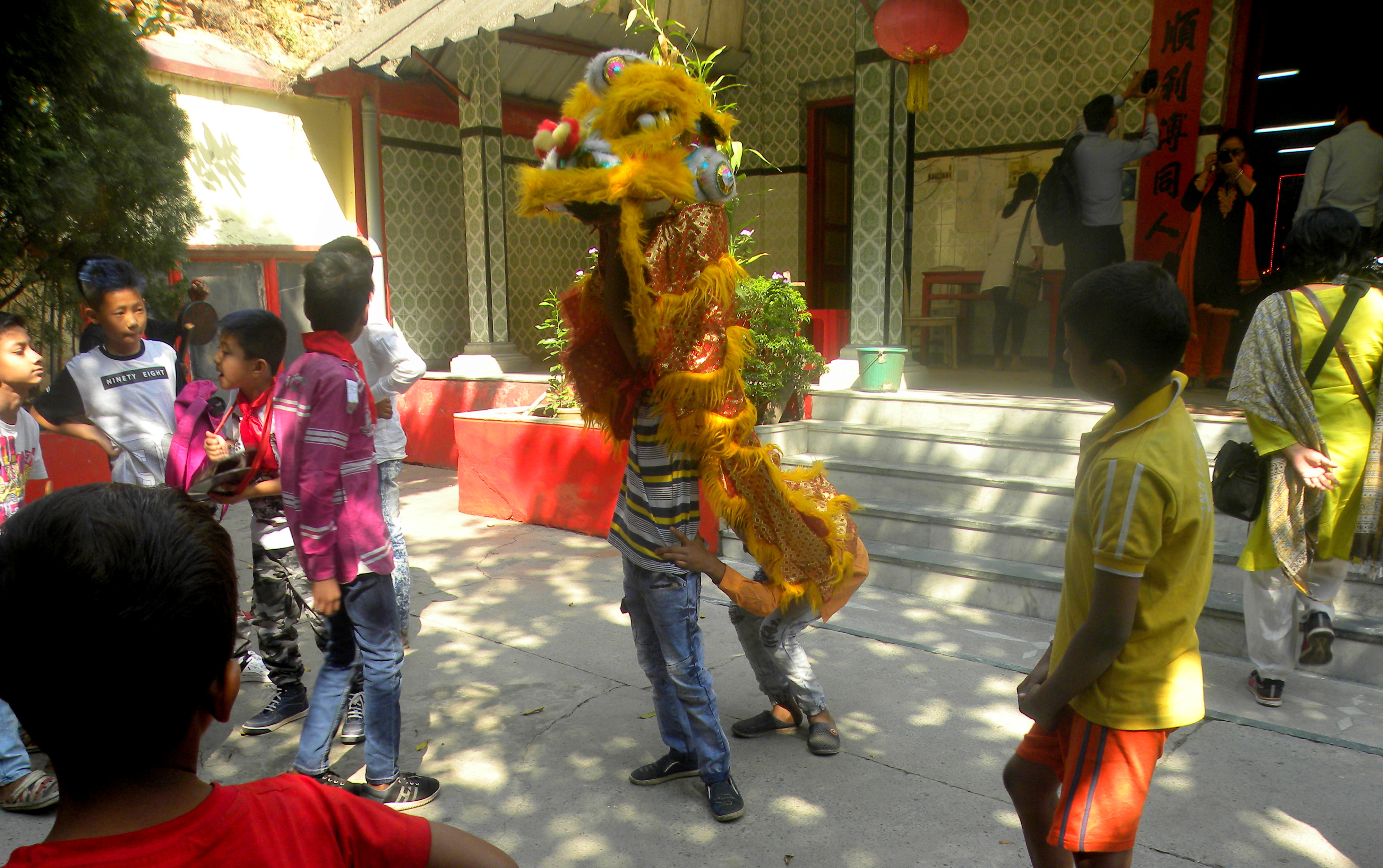
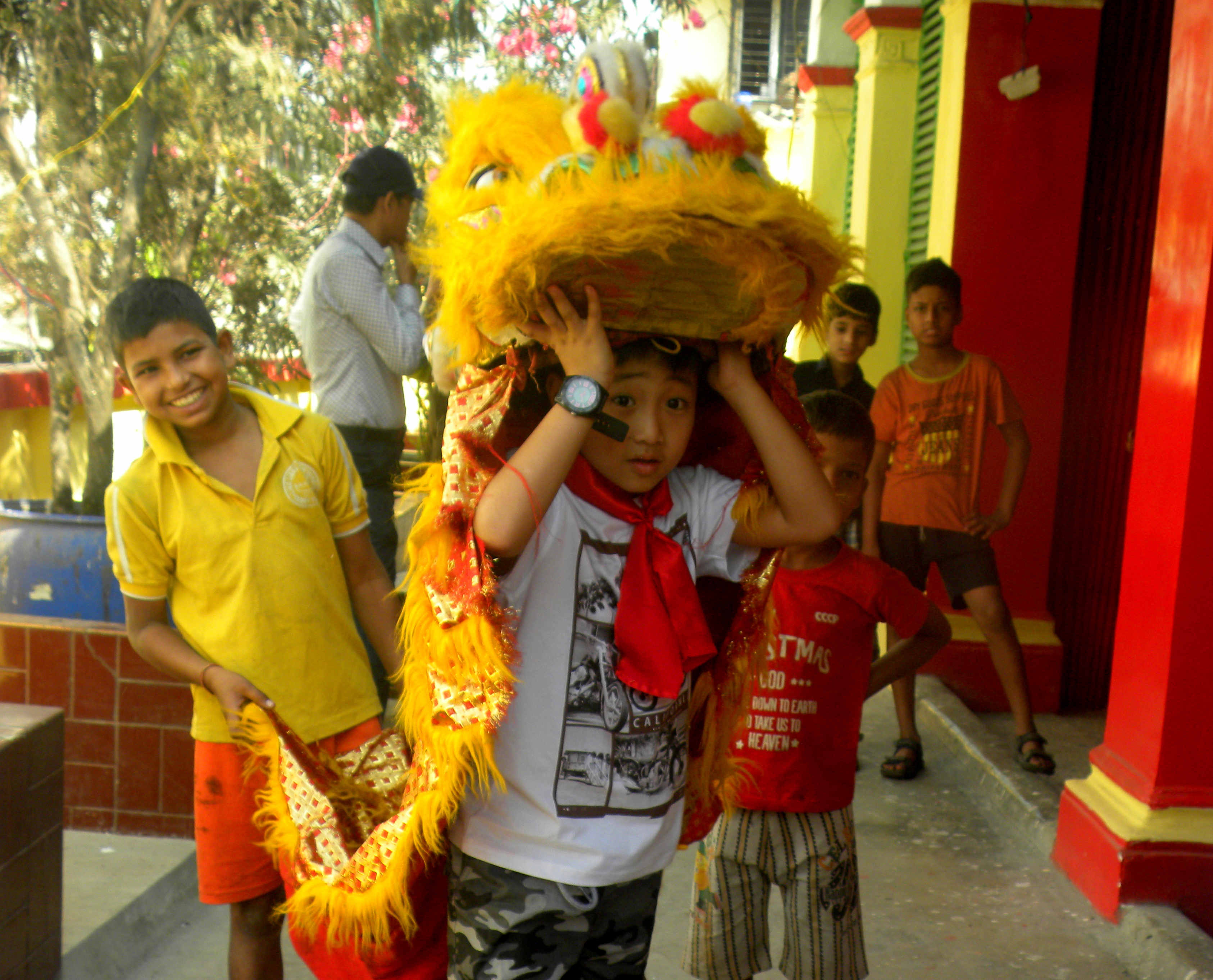
They hang the lettuce as a good omen during the new year celebrations. Offering lettuce to the Lions at the Lion Dance is an important ritual. It started when Himalayan Lions descended on Chinese villages destroying habitats. They feed them and worshipped them to ward them off. The tradition survives in the form of feeding them lettuce and worshipping them. Imagine a vegetarian Lion!!
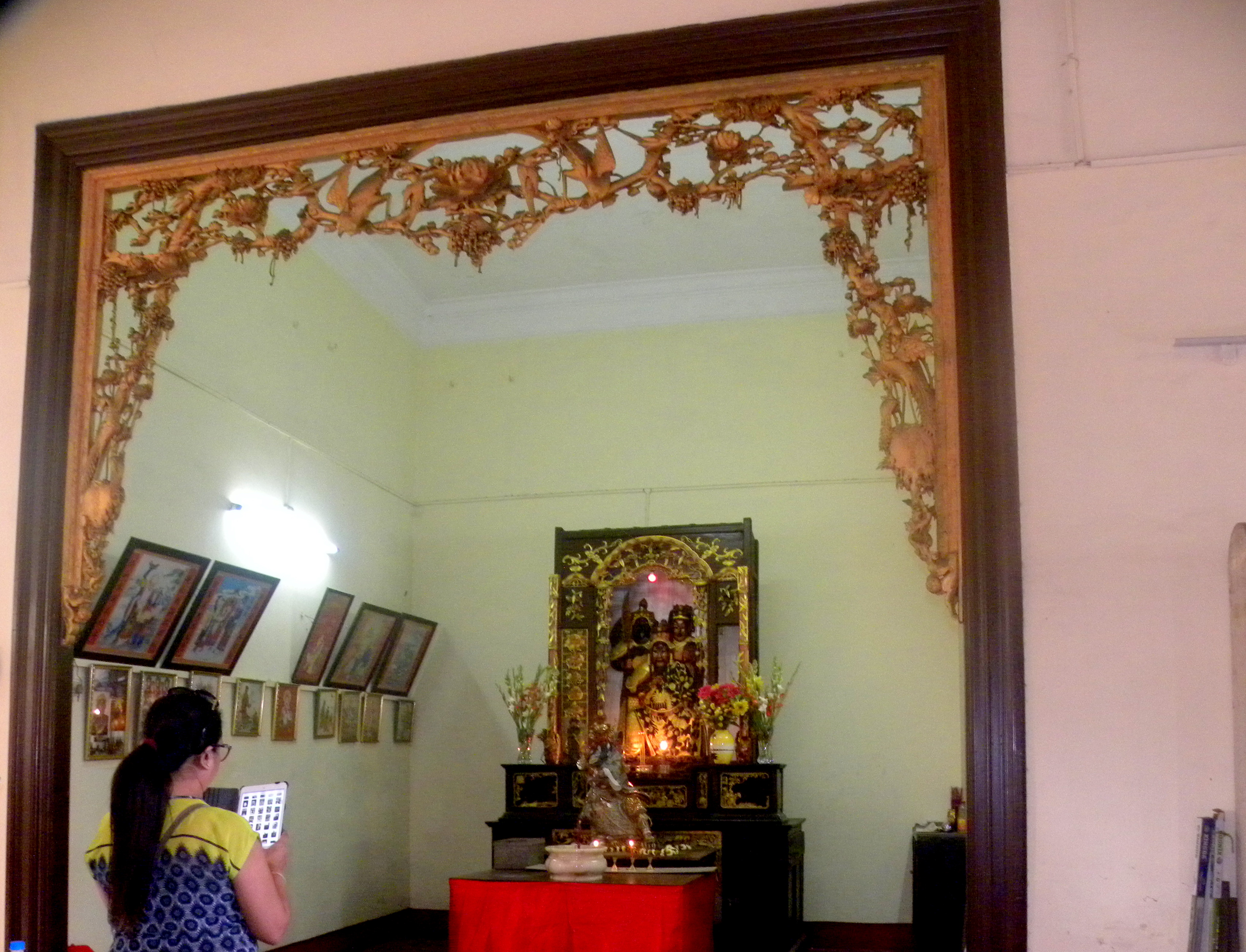
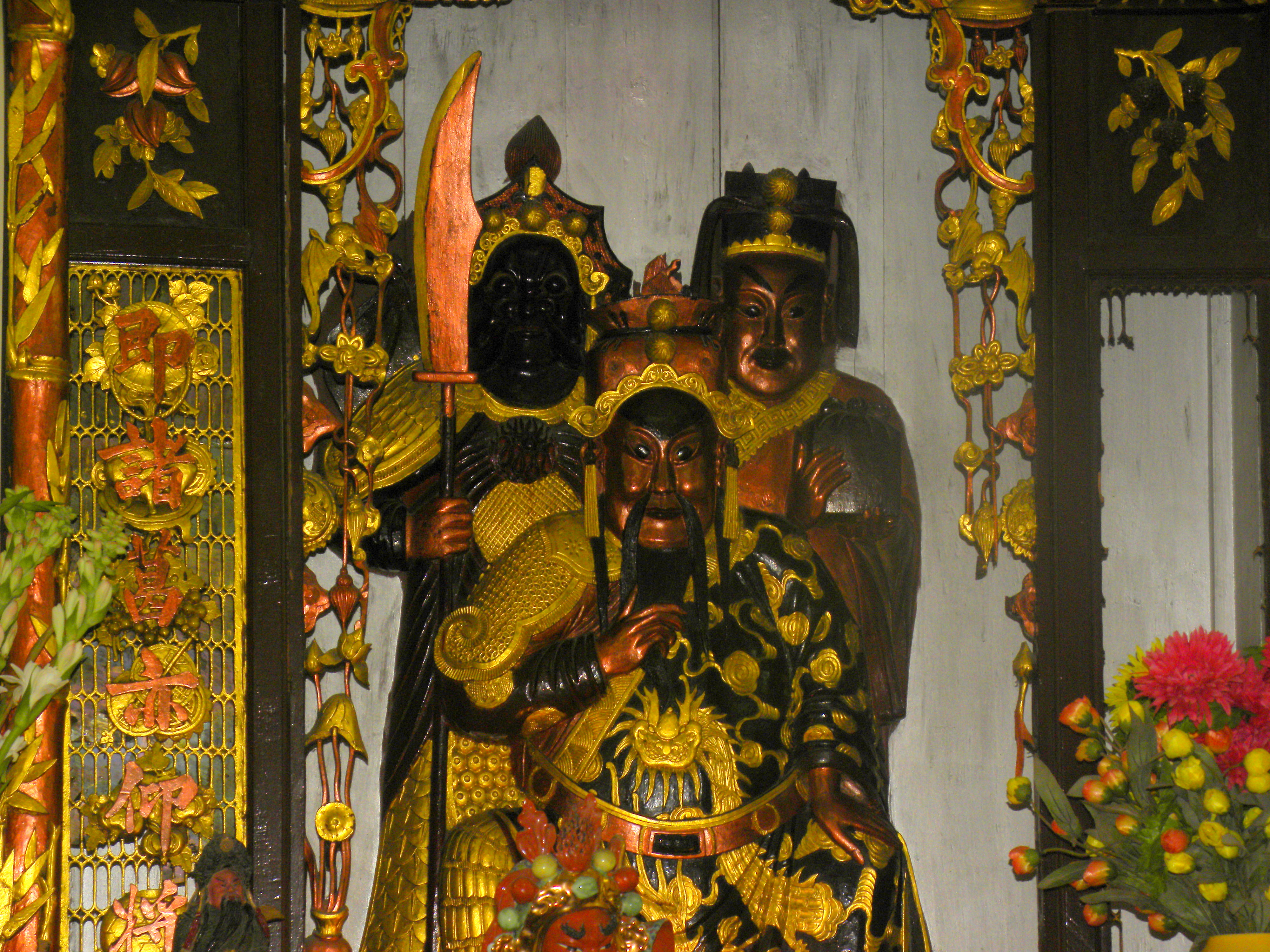
Inside the Toong On Church, 22 Black burn lanea portrait, inside the churchsome more photographs
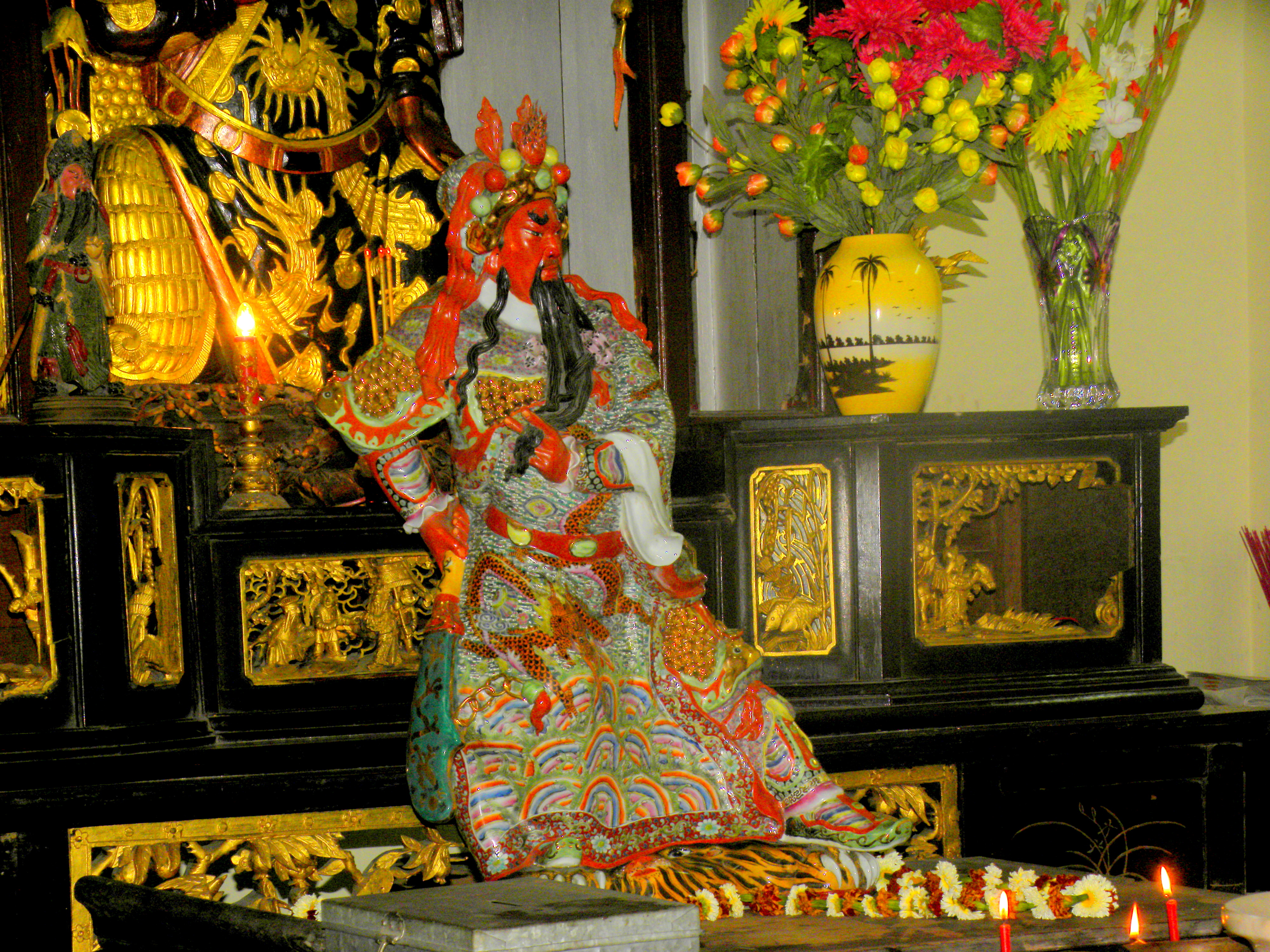
KWAN TI, the warrior godKWAN TI, the warrior
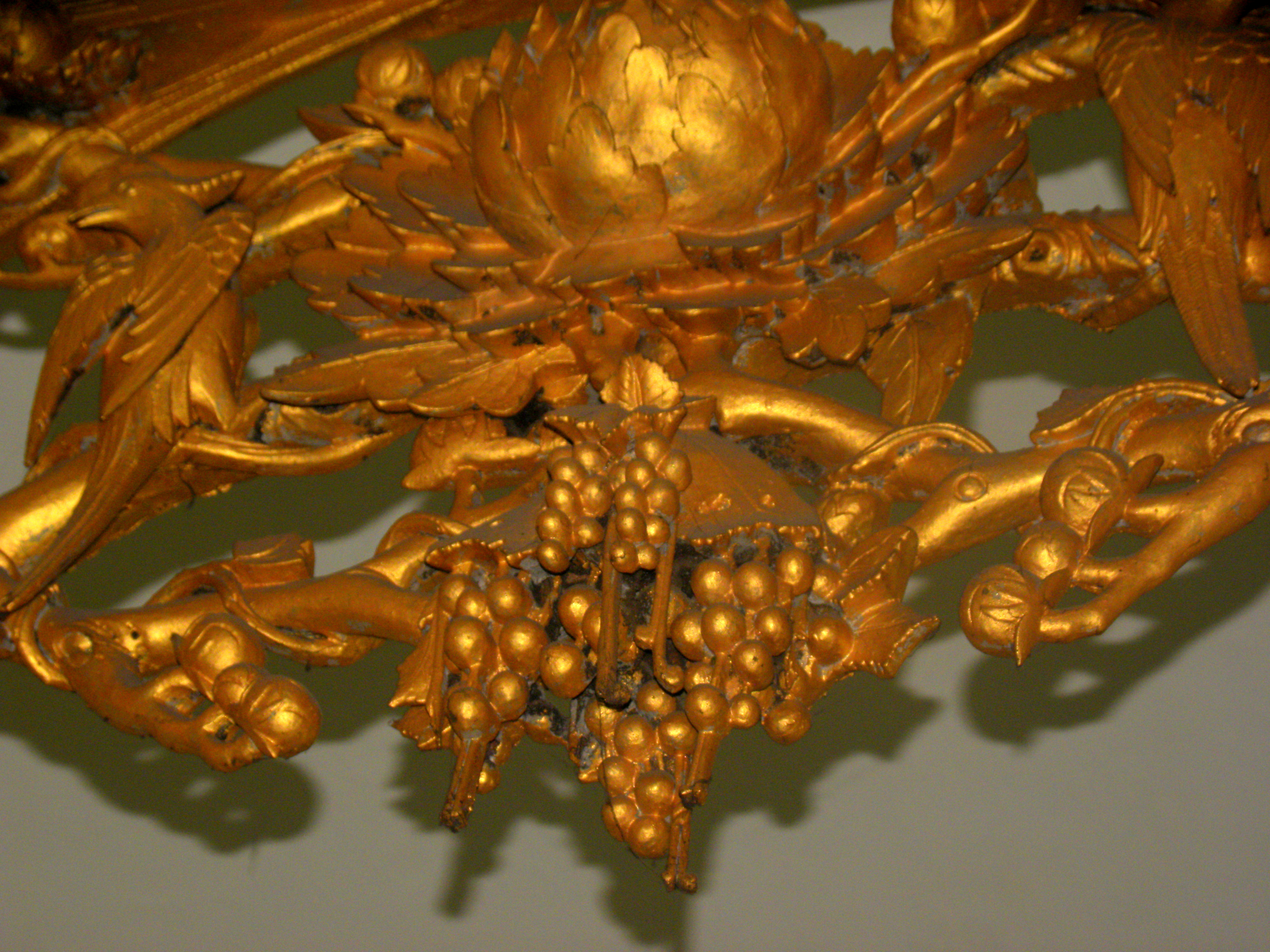
the wooden frame inside the church
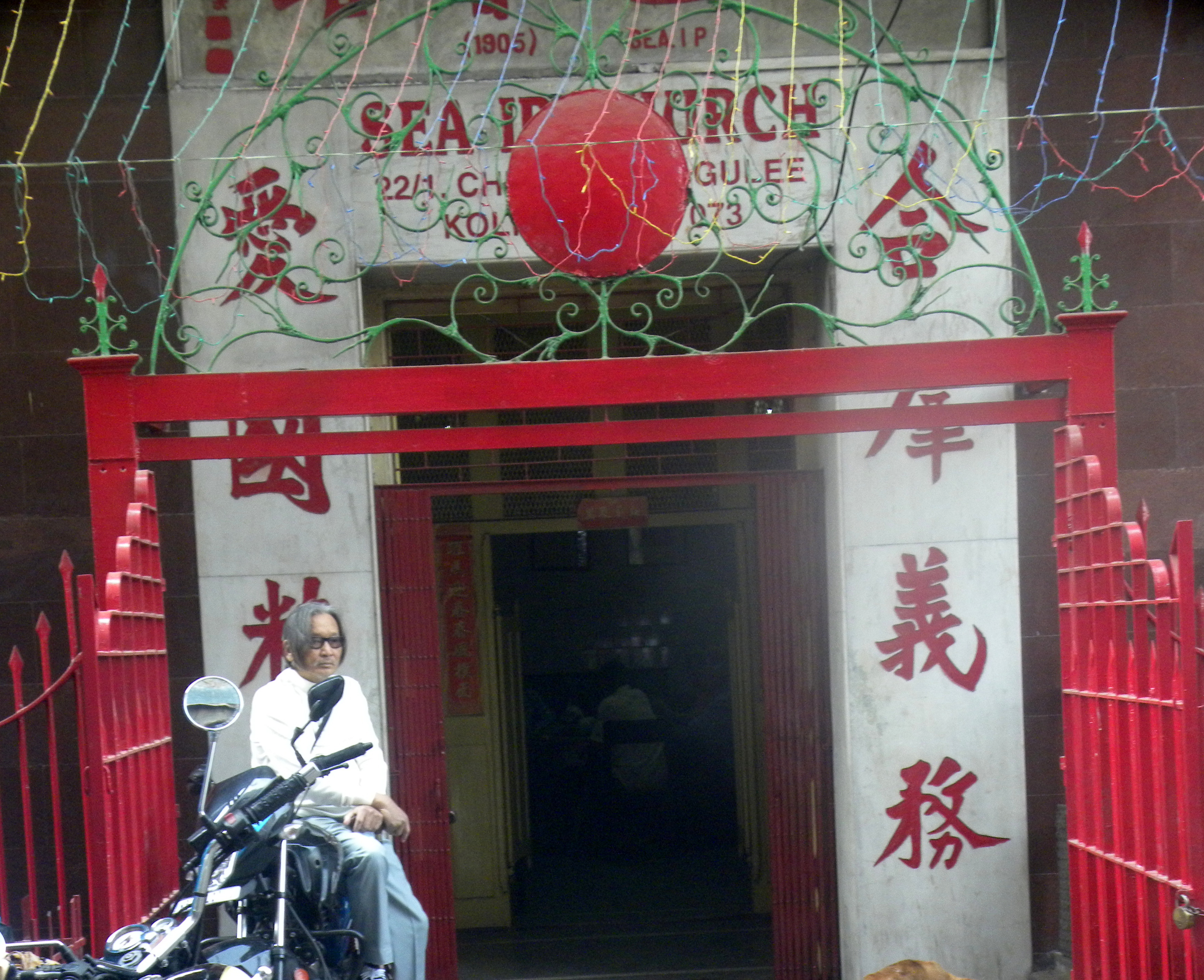
Sea-Ip: 22/1 Chhatawala Gulee, Kol -73 (Behind the Telephone Exchange beside Tung Nam restaurant)
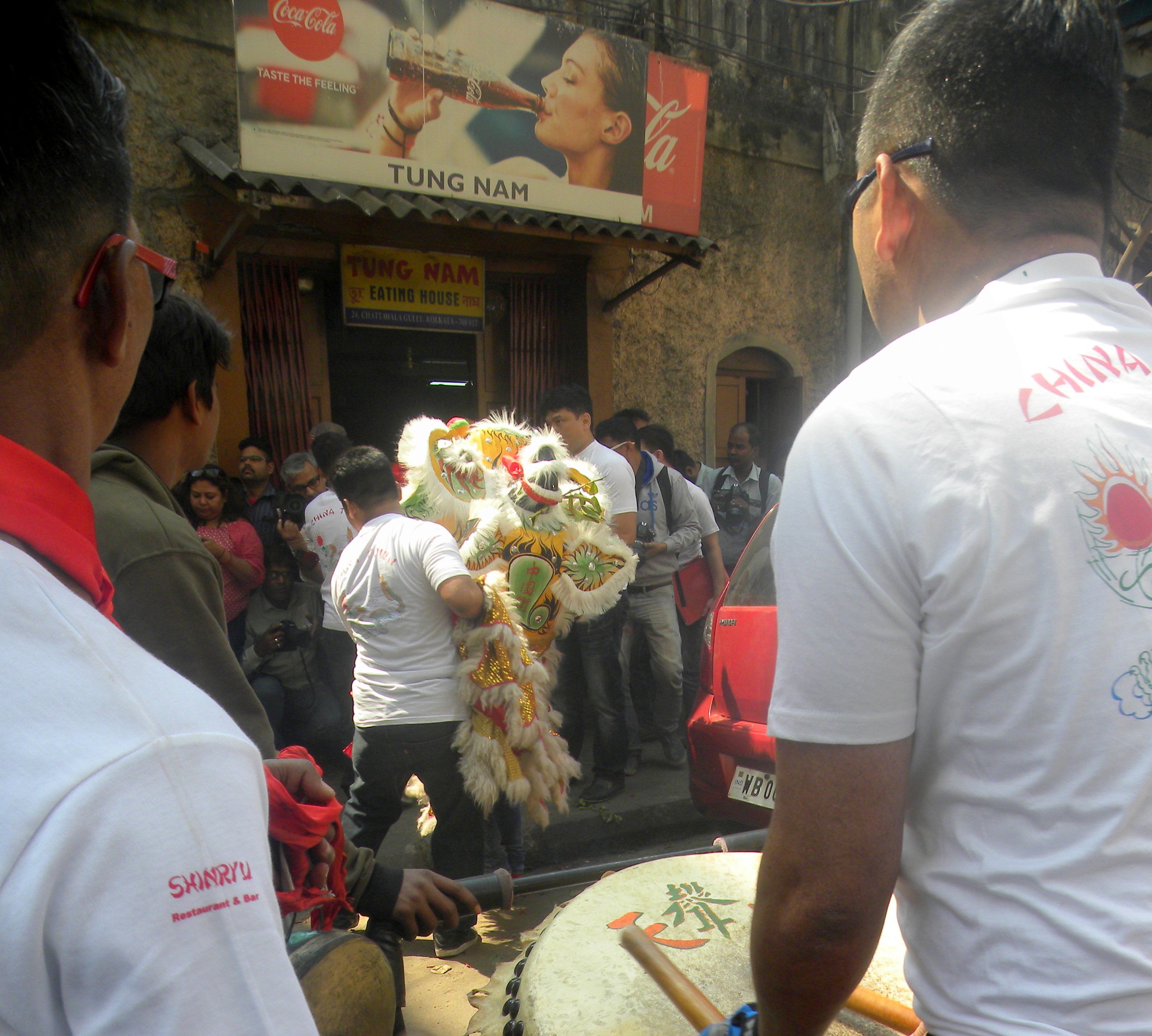
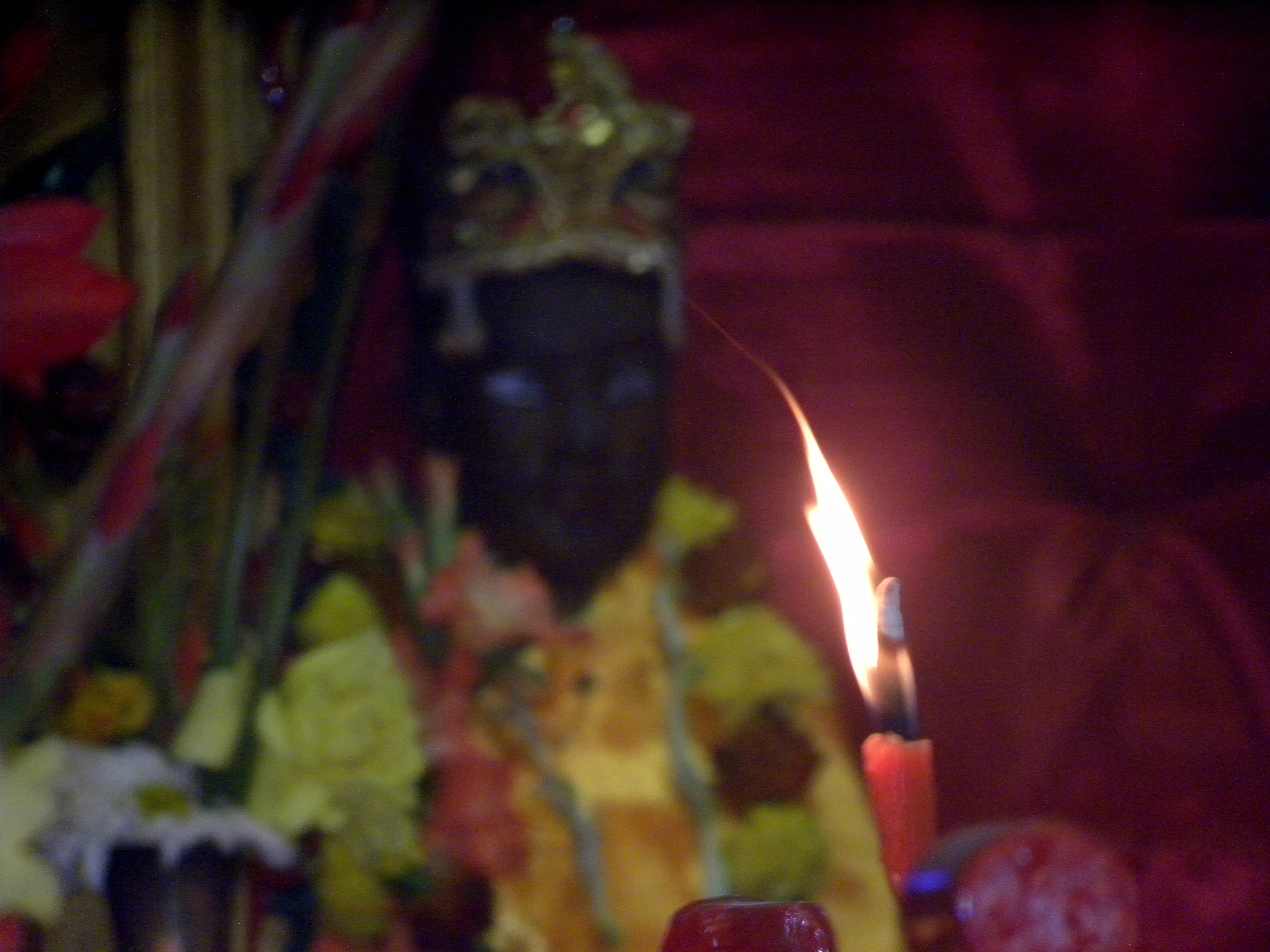
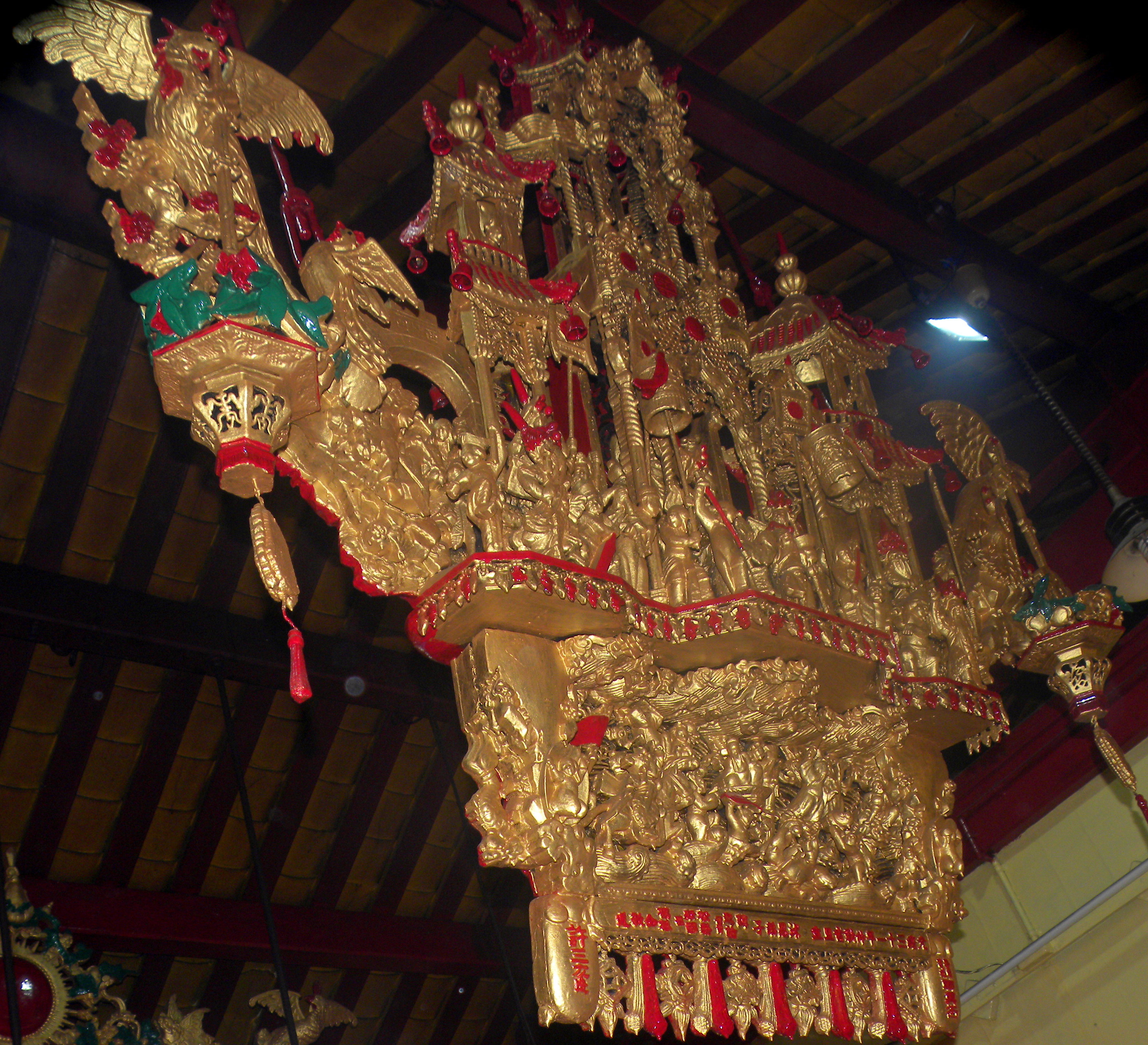
Sea Ip Church, 22/1 Chhatawala Gulee, Kolkata-73Tung Nam Restaurant (beside Sea Ip)The idol inside the churchThe wooden hanging inside the church
Prayers inside the church
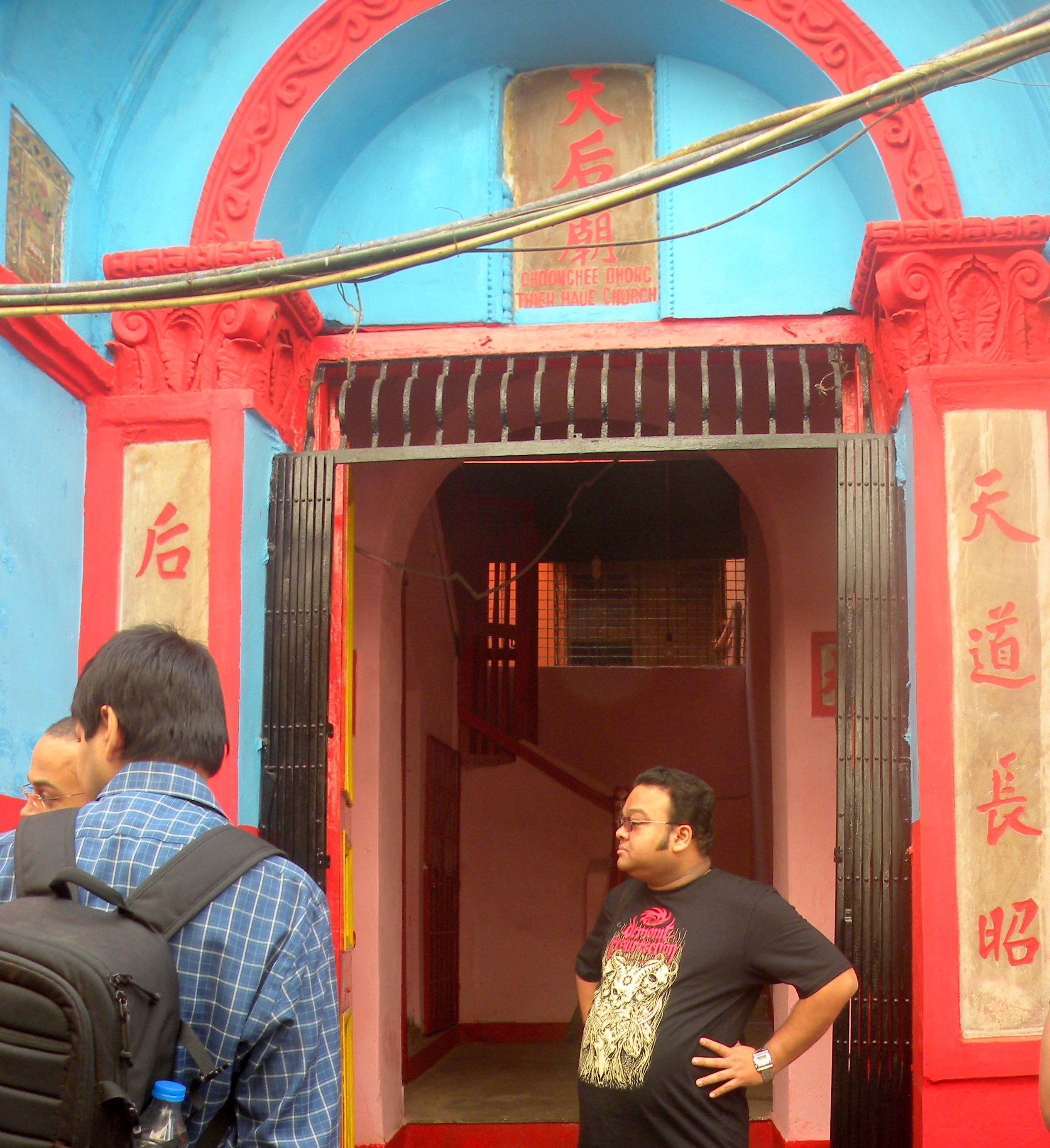
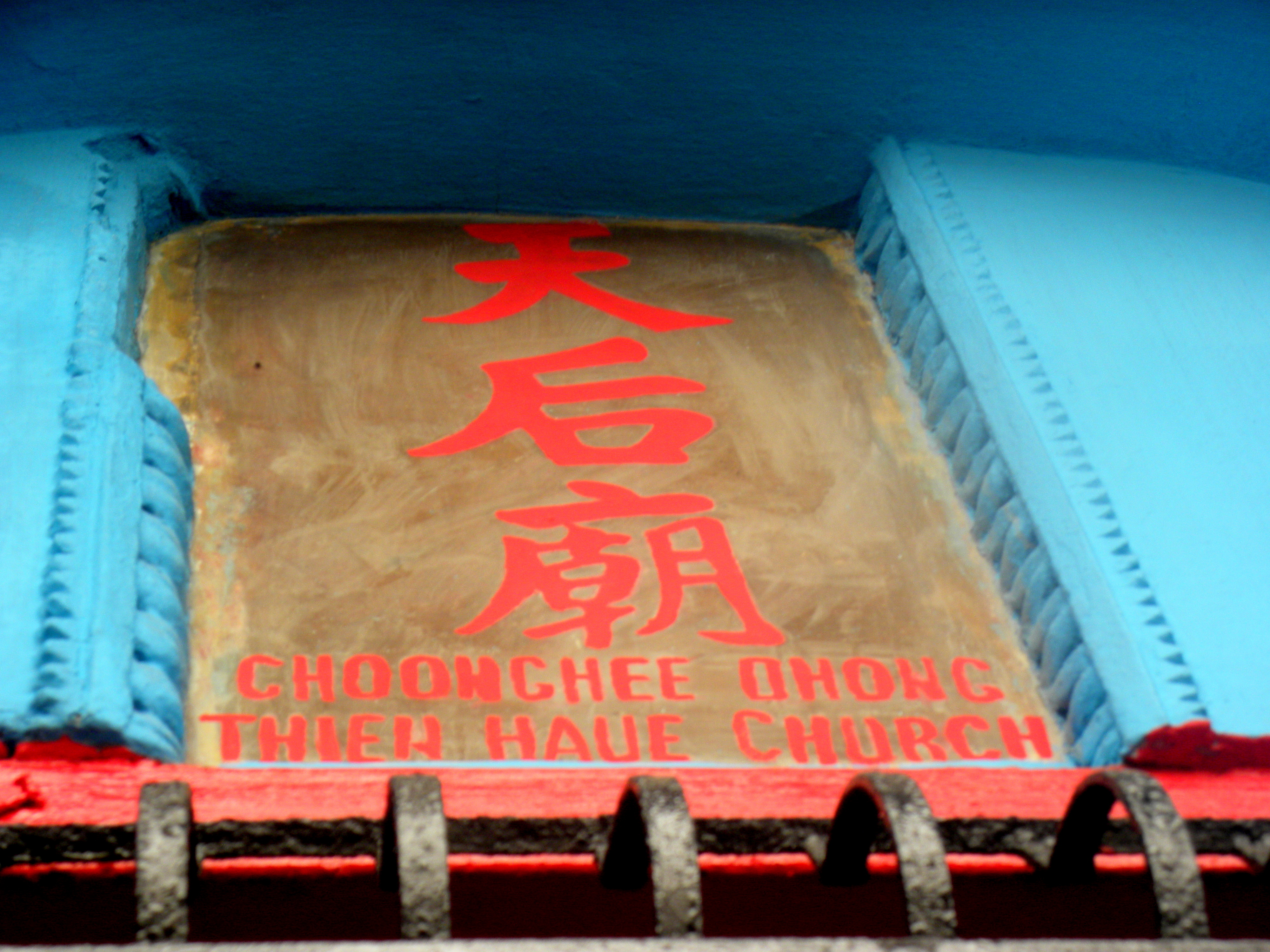
Choonghee Dhong Thien Haue: Damzen and Black burn lane crossing, take the alley right of Sei Vui restaurant, (17 Black burn lane, in an alley opposite Telephone exchange), then again turn right
Choonghee Haue Church. RJ Deepanjan Ghosh in action
The Makers of the church
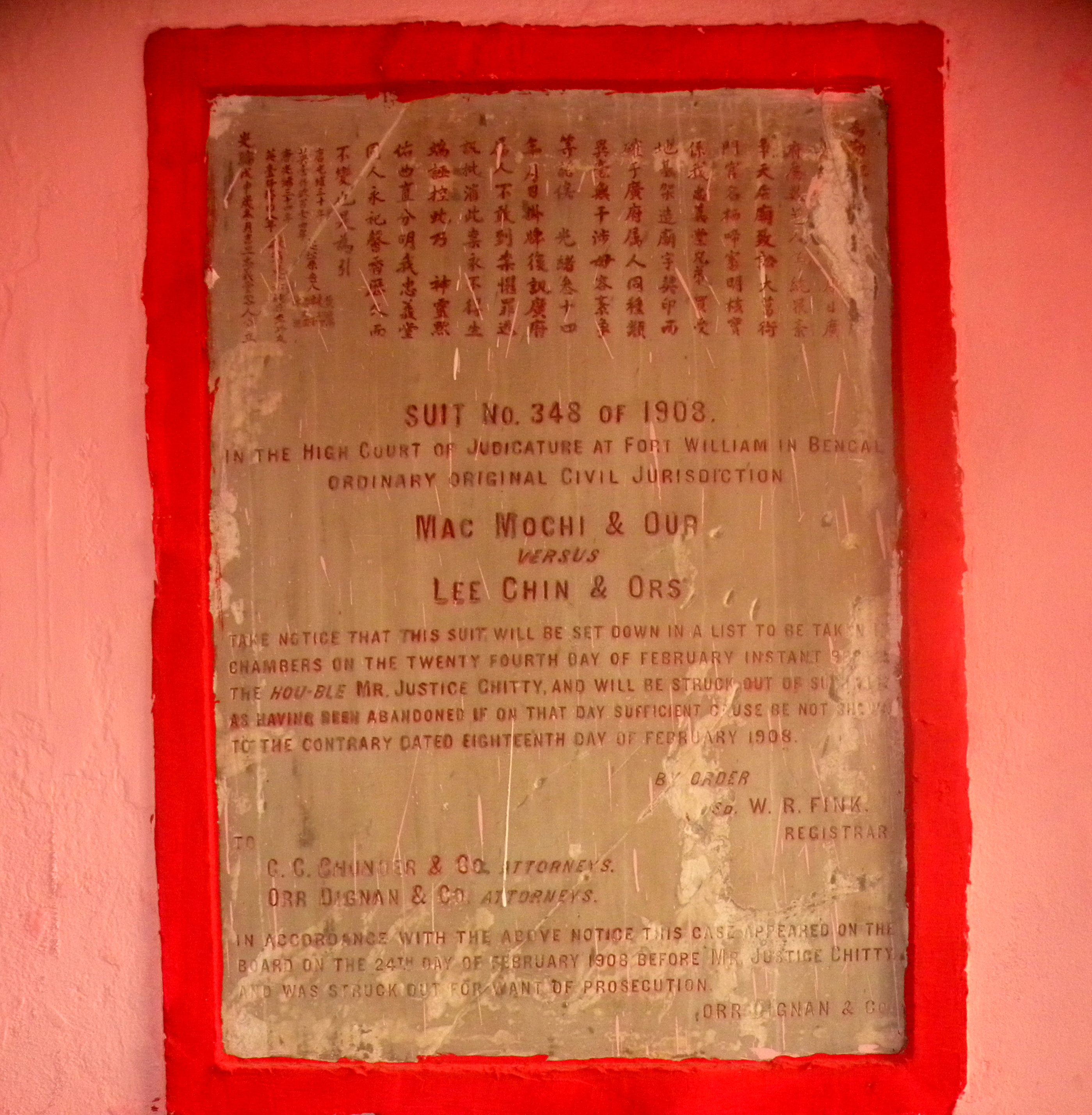
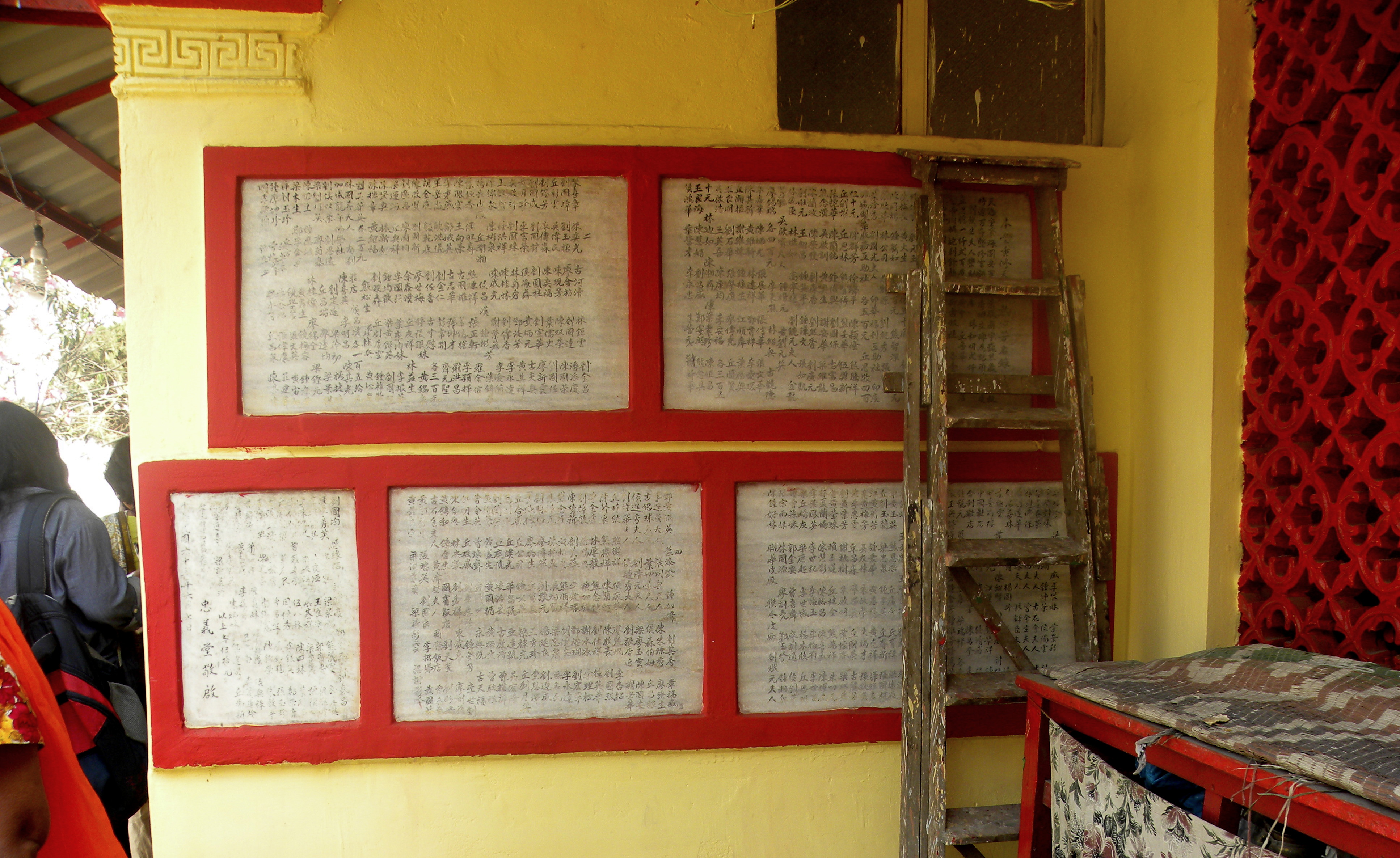
inside the churchchinese inscriptions
inscriptions inside the church
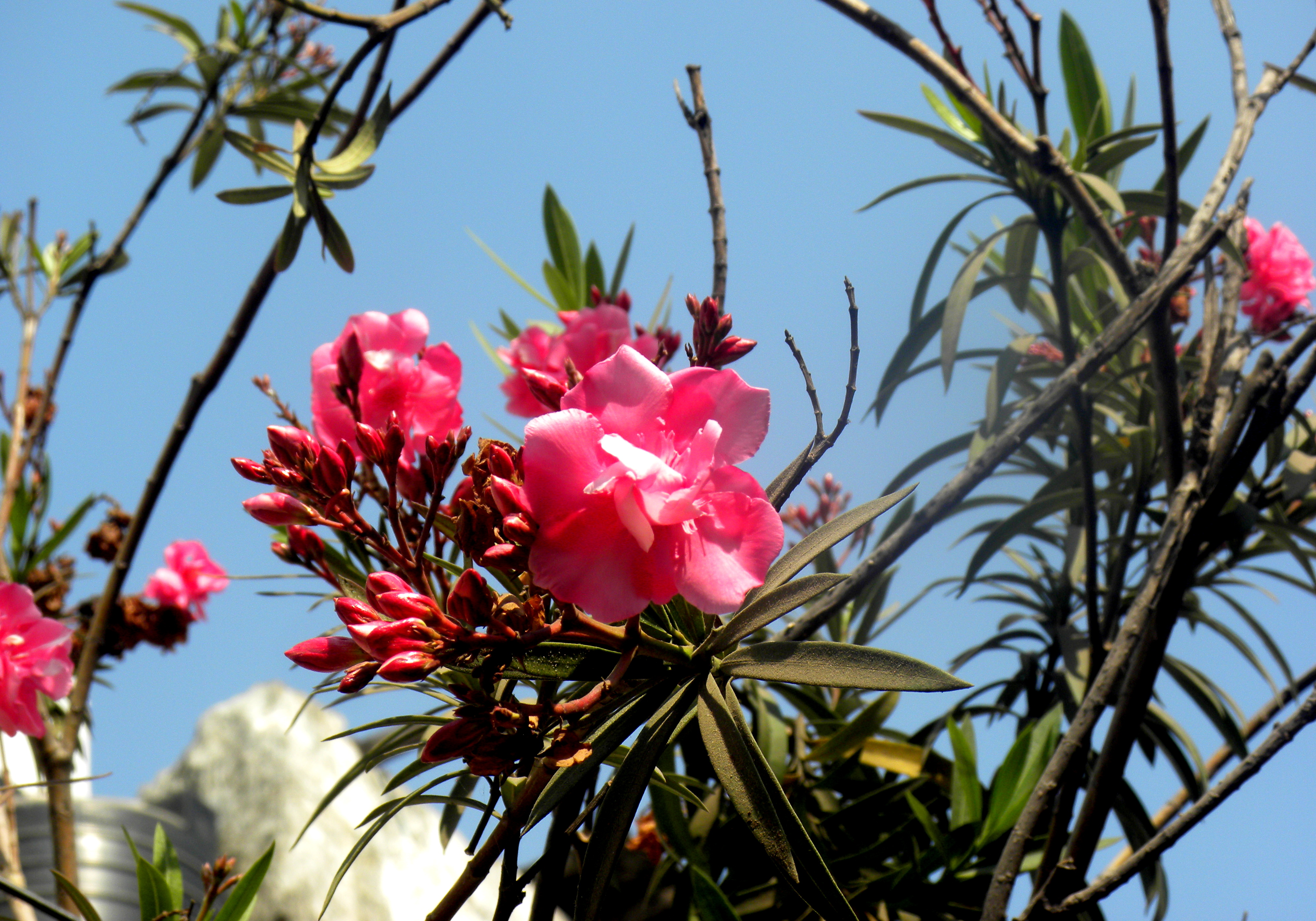
a blossoming inside the church
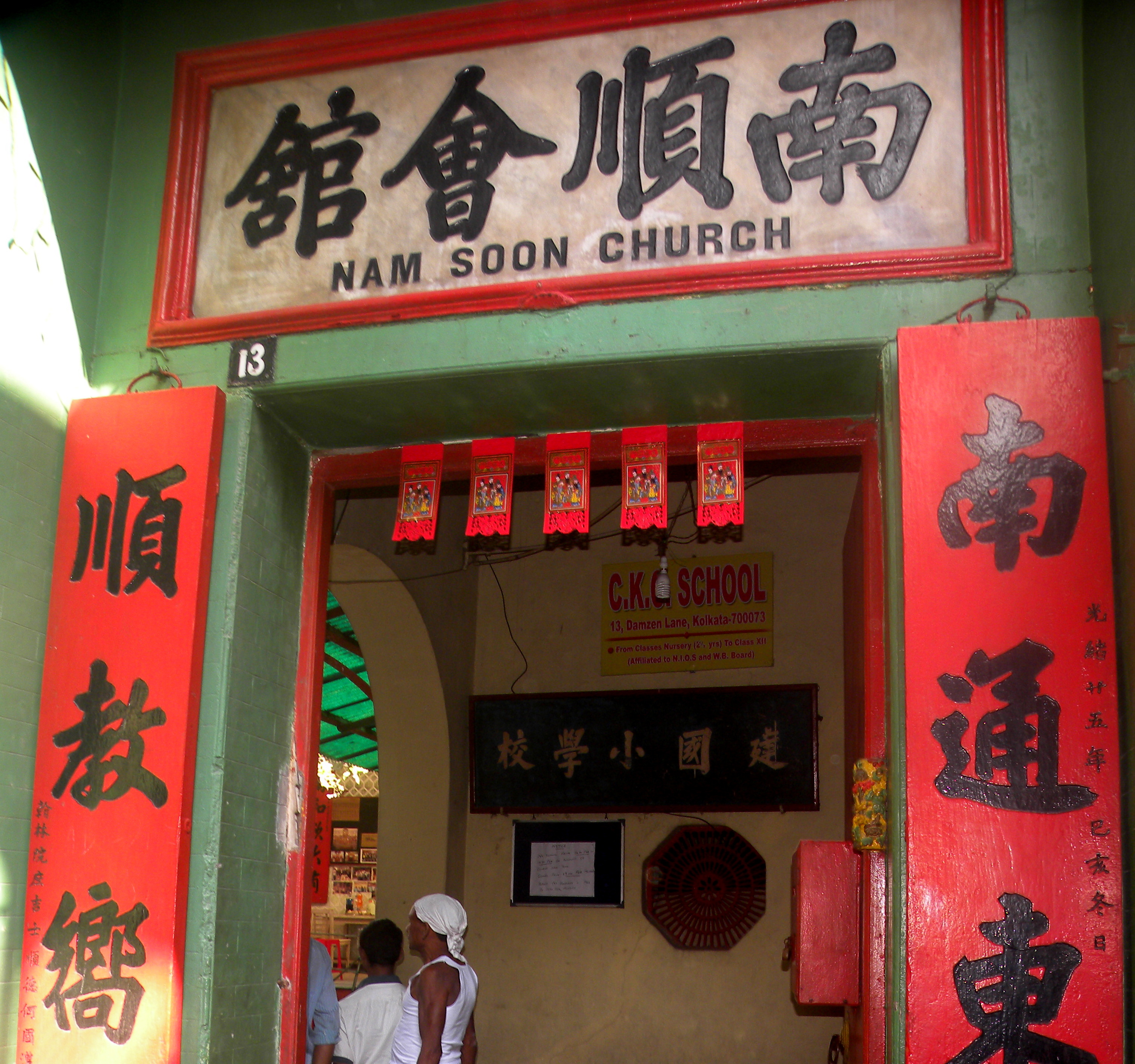
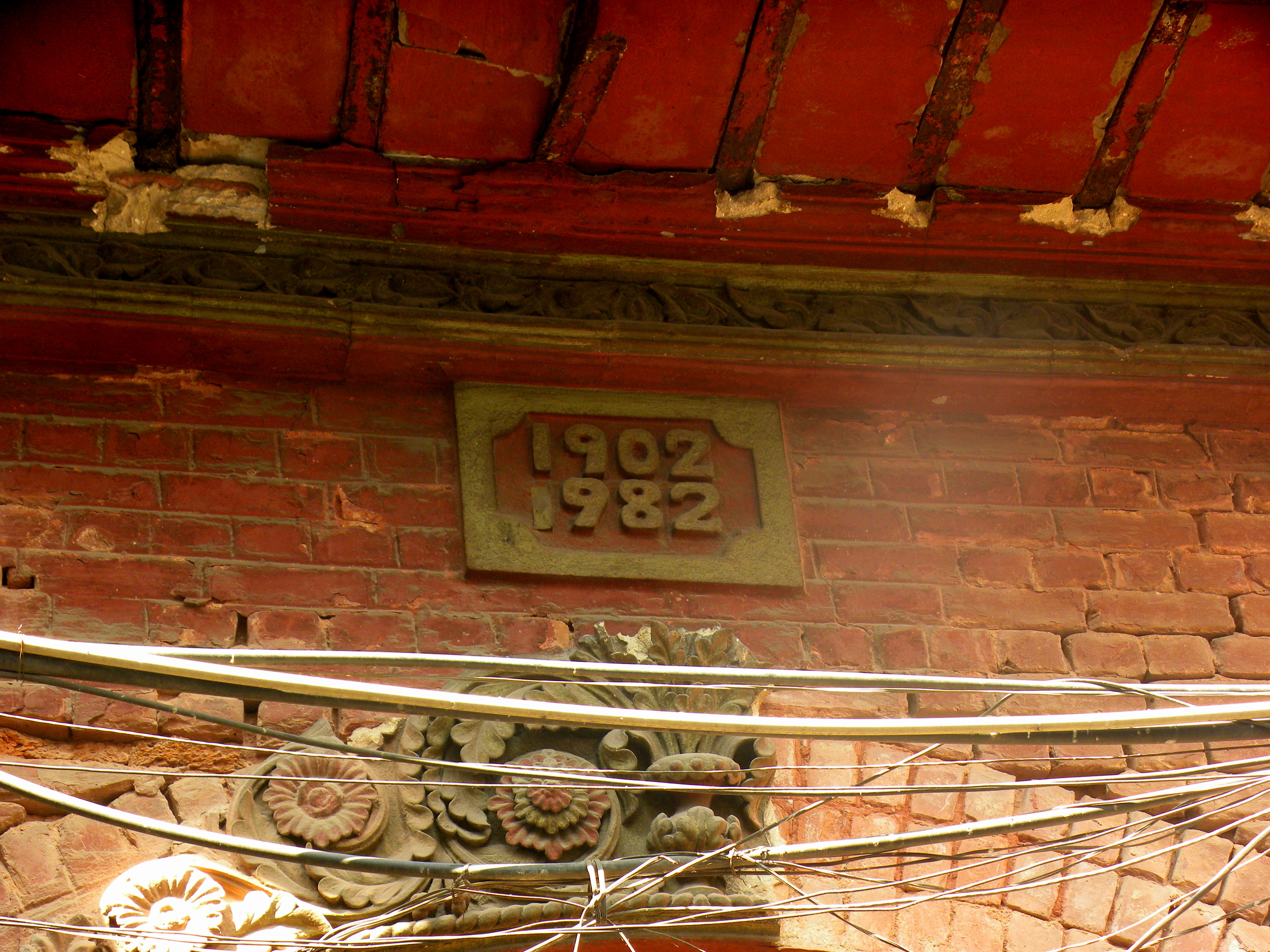
Nam Soon: (turn left after Choonghee, pass by the butcher’s shop, turn right walk straight to an old house with 1905-1982 inscription, it’s beside that.
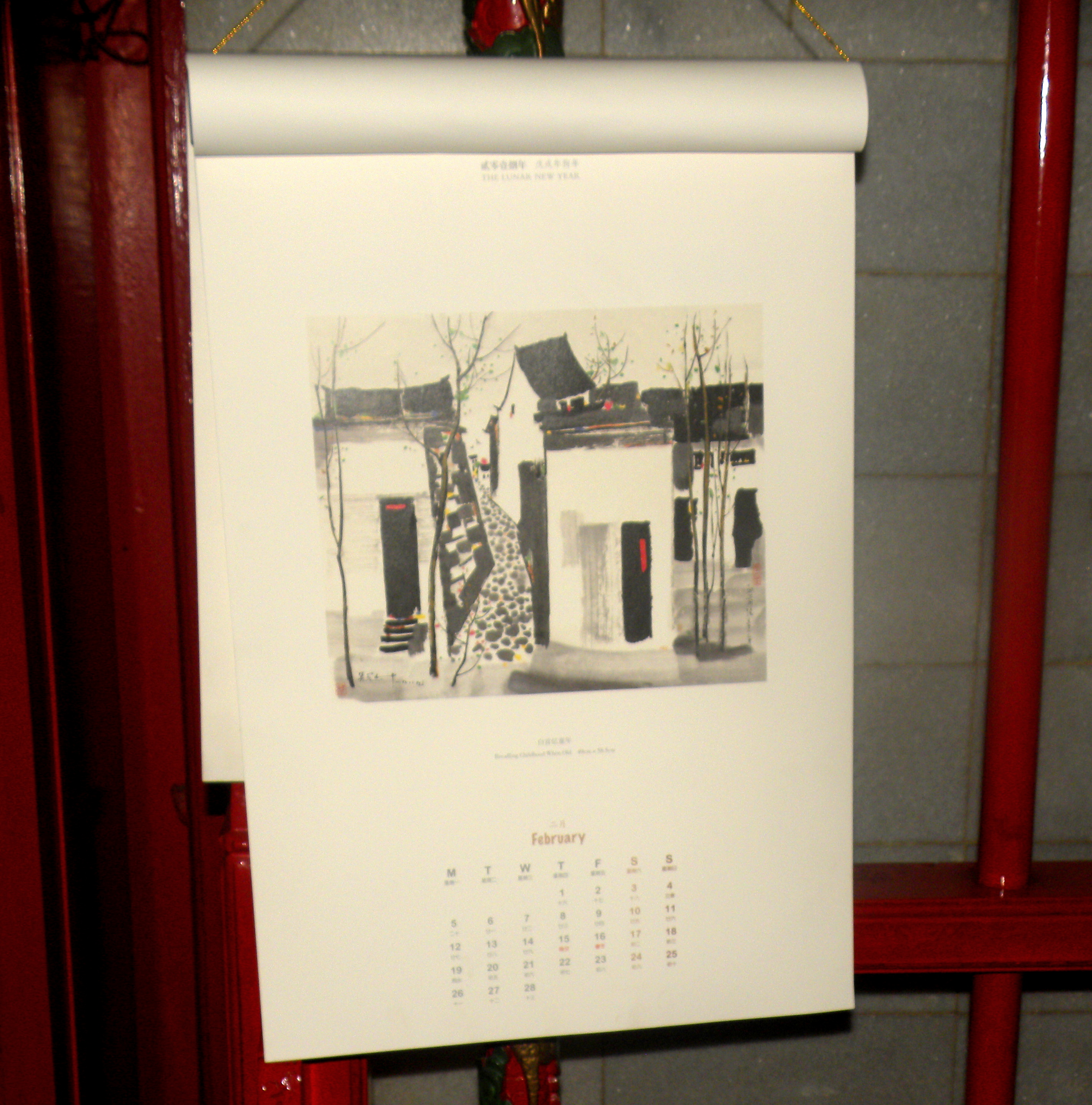
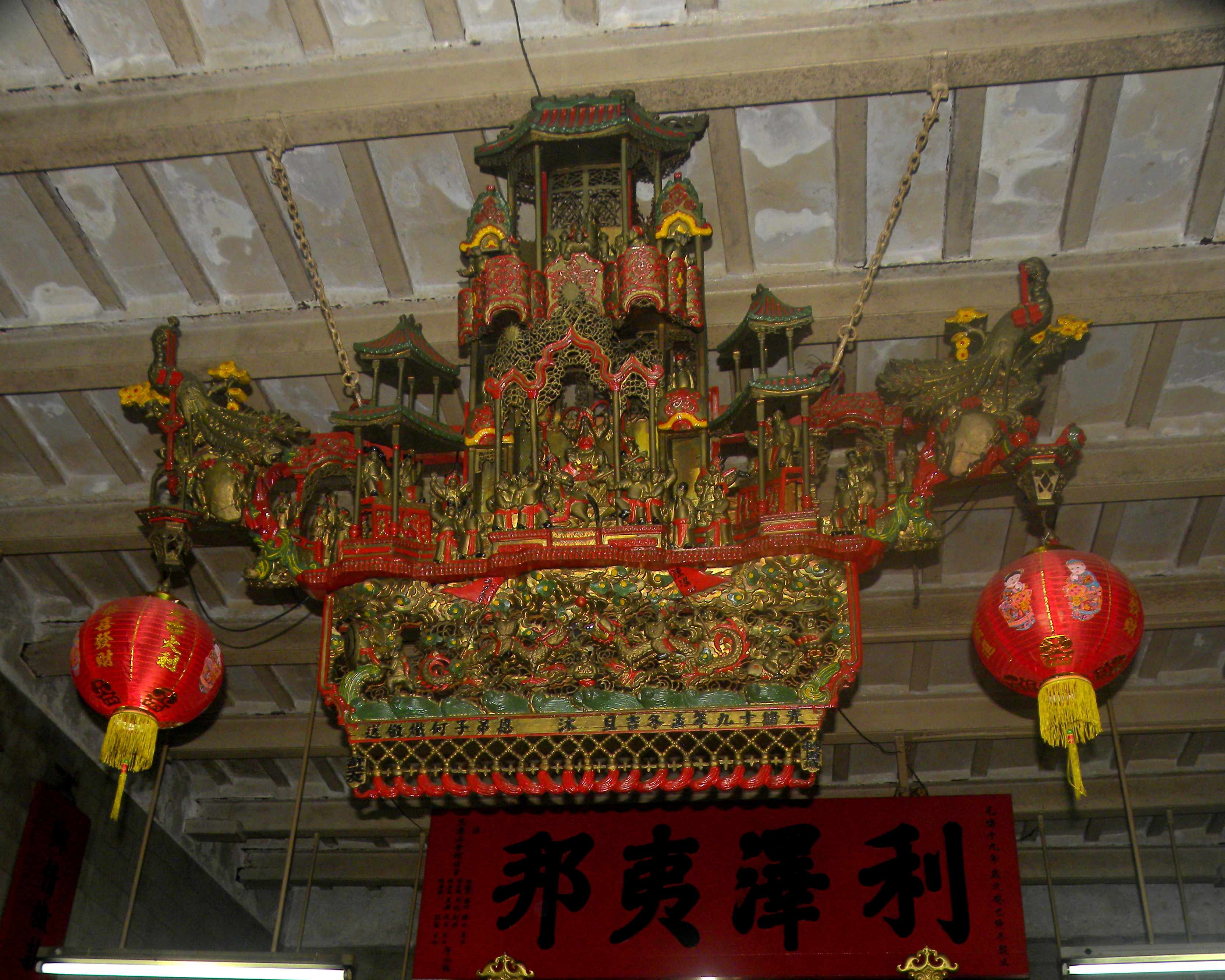
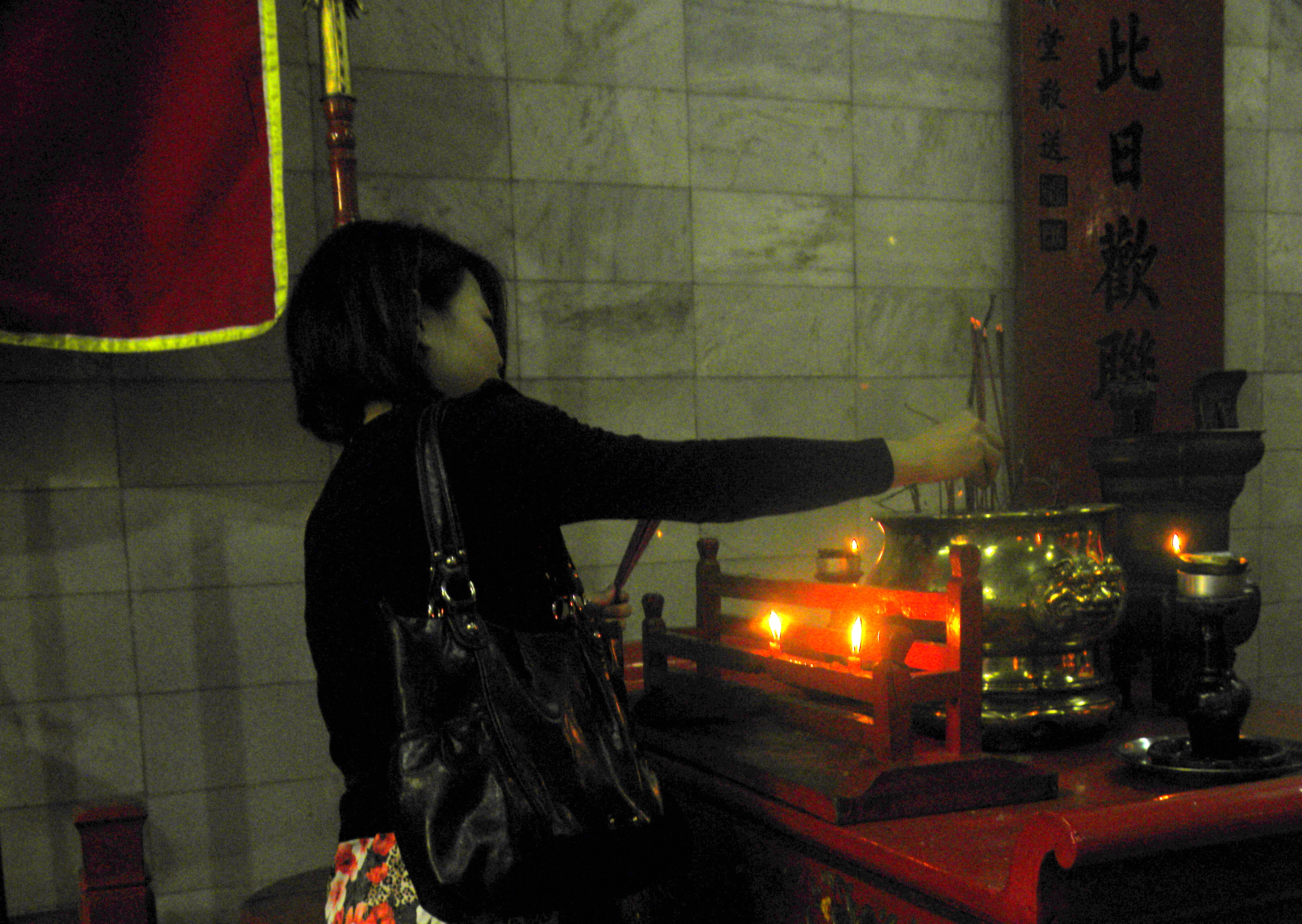
Nam Soon ChurchThe old building beside Nam Soon with 1902-1982 timelineKids with their lion dance on premises of the churchThe Chinese CalendarThe Wooden Wall Hanging at the churchA young lady praying at the churchKWAN YIN, the goddess of war
The Tusu Weapons, The Gong and The Bell at the church
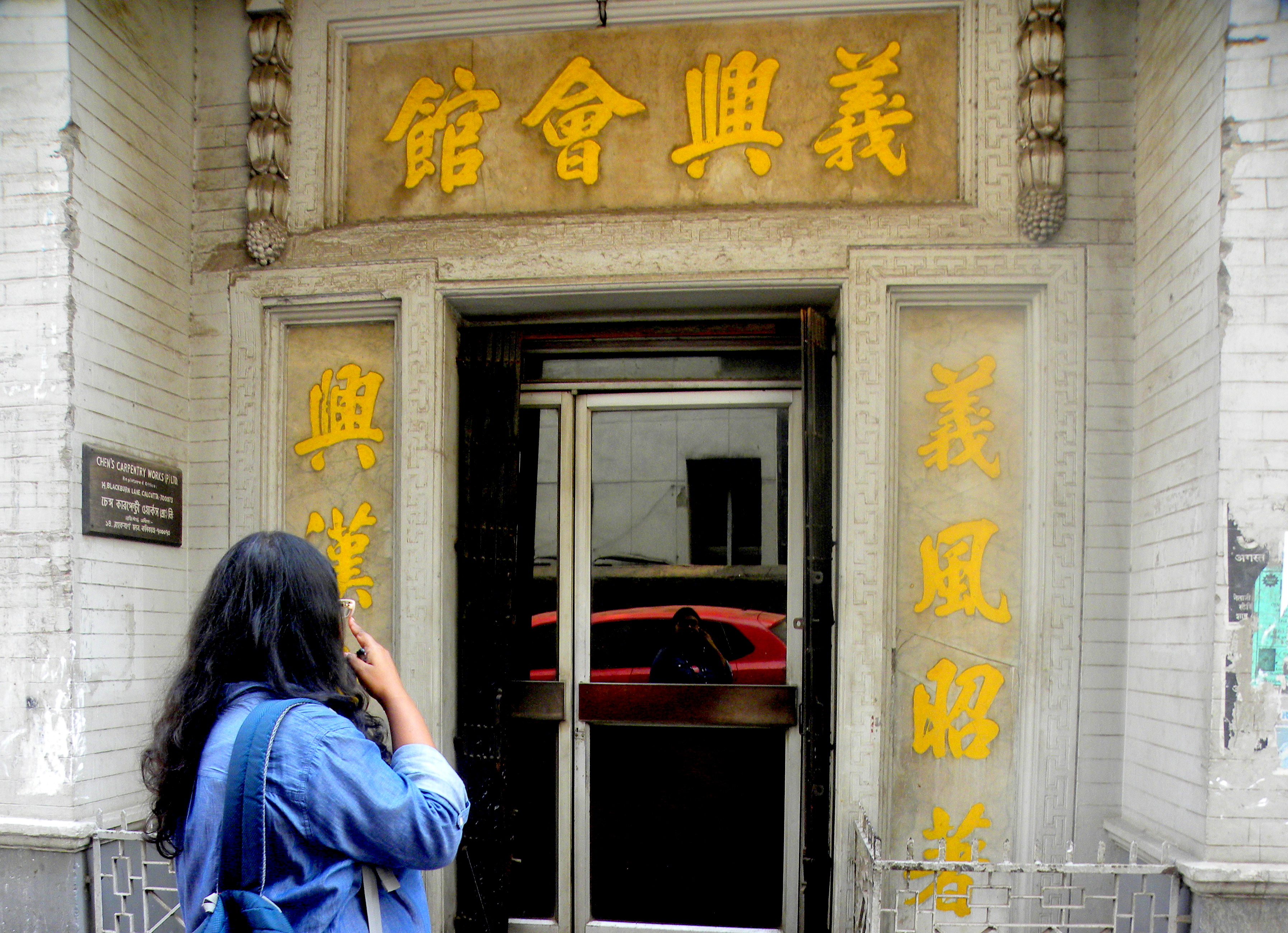
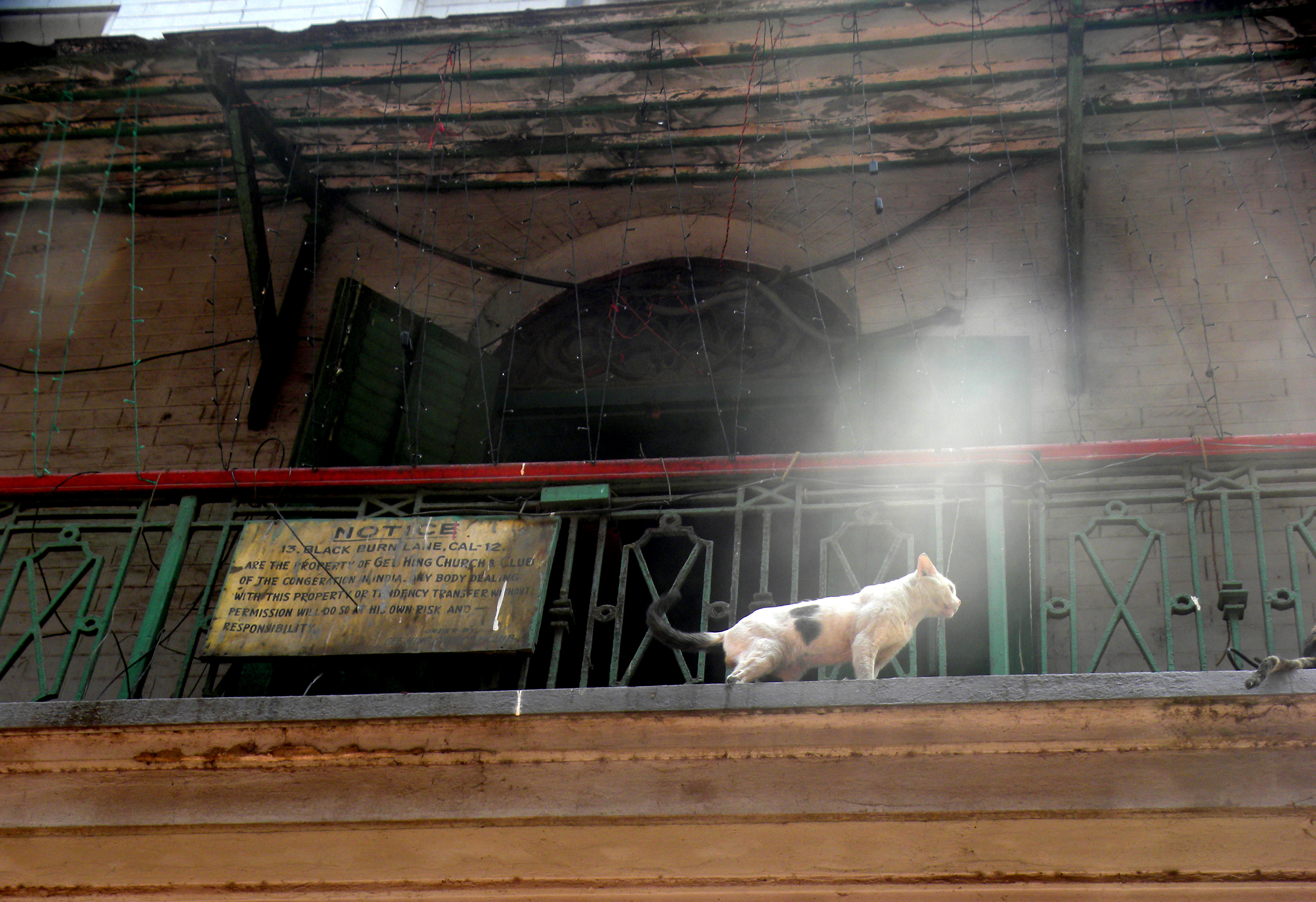
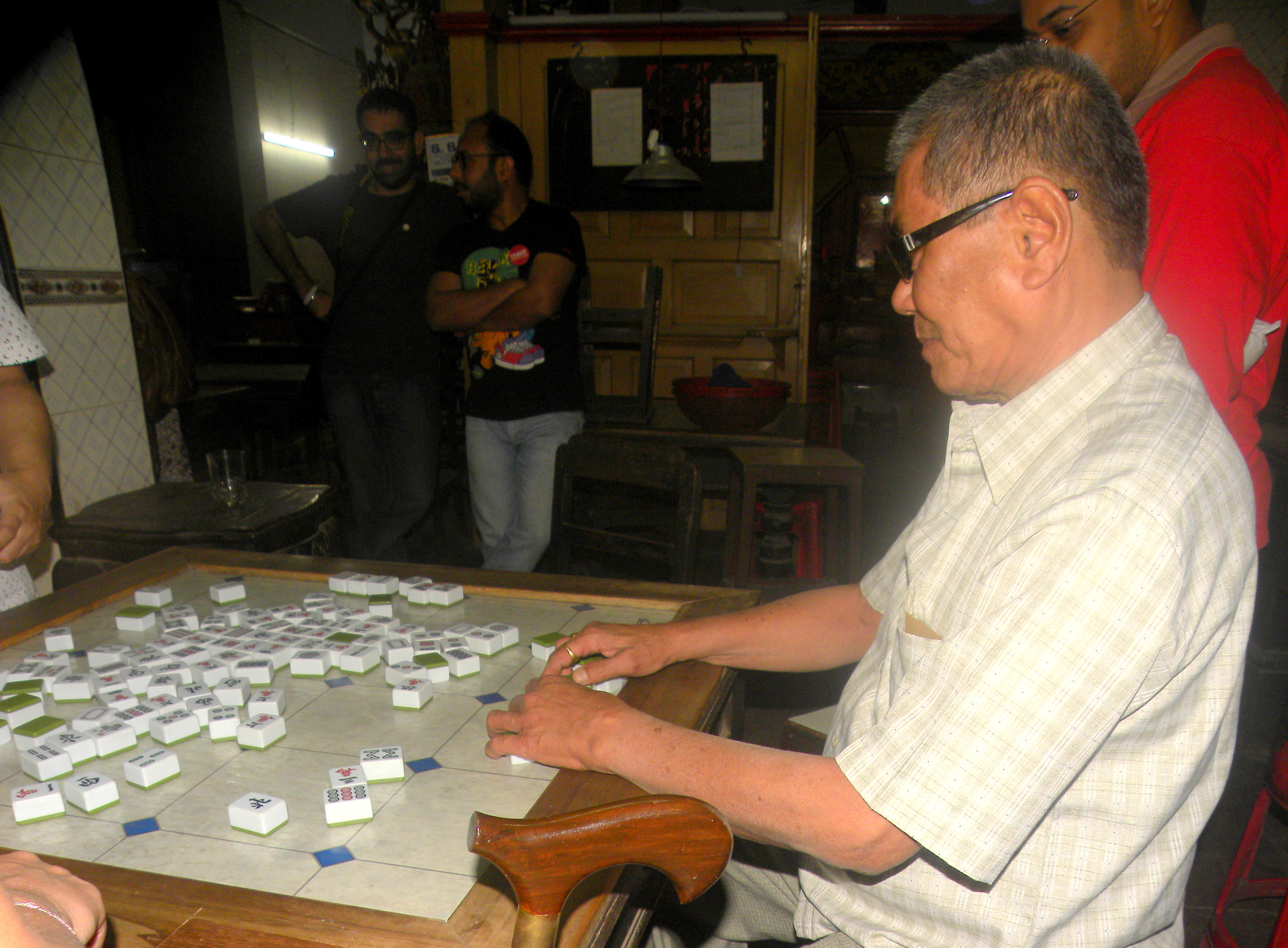
Gee Hing Church beside Chen’s Carpentry at 13 Black Burn Lane. it’s an old tattered building with a side gate. Here you will get to see the Mah Jong set.
The Nameless Church Beside Chen’s CarpentryChen’s CarpentryInside the churchDr. Chong with his local version of Mah Jong set
Dr. Chong arranging the set.
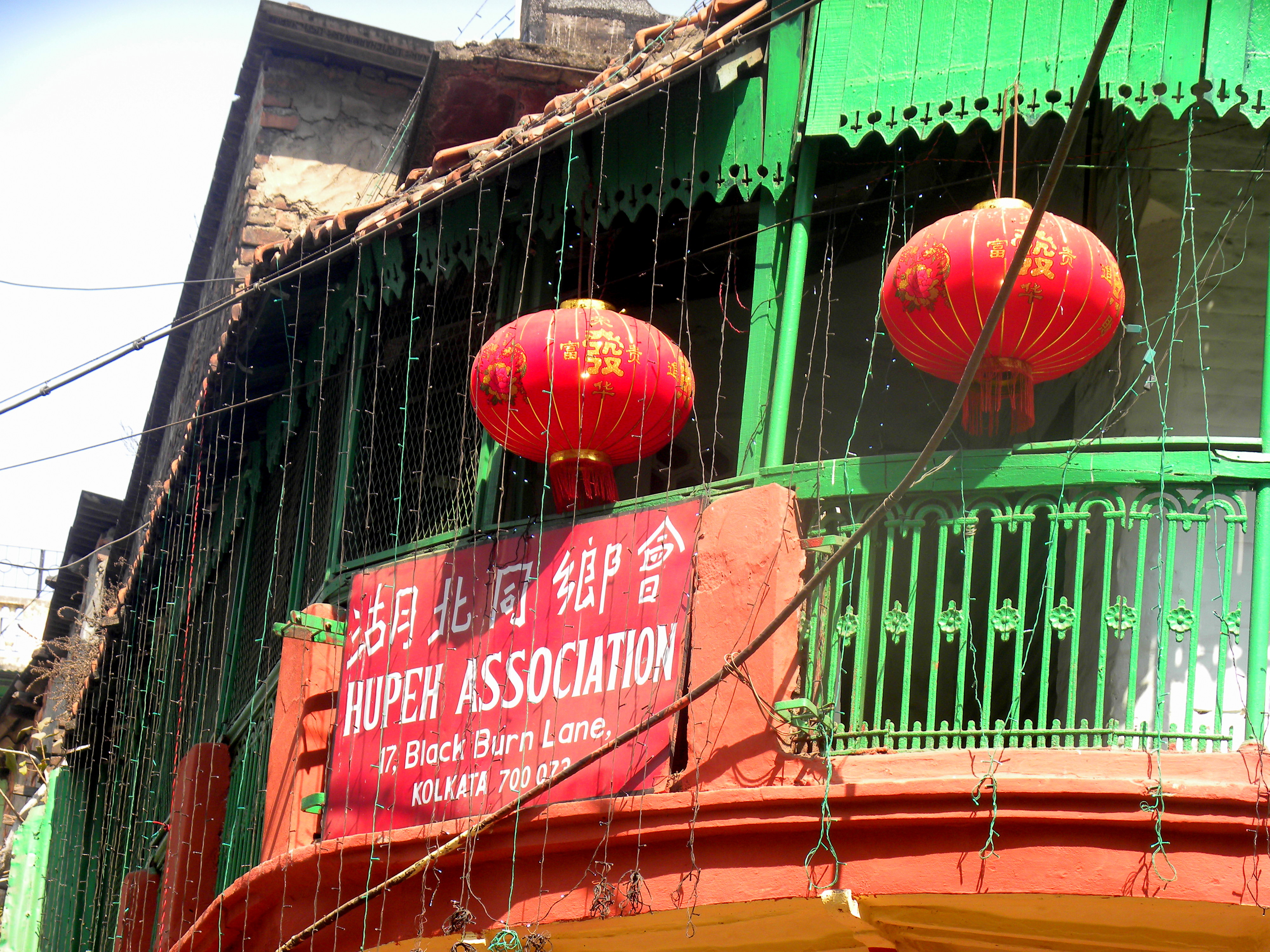
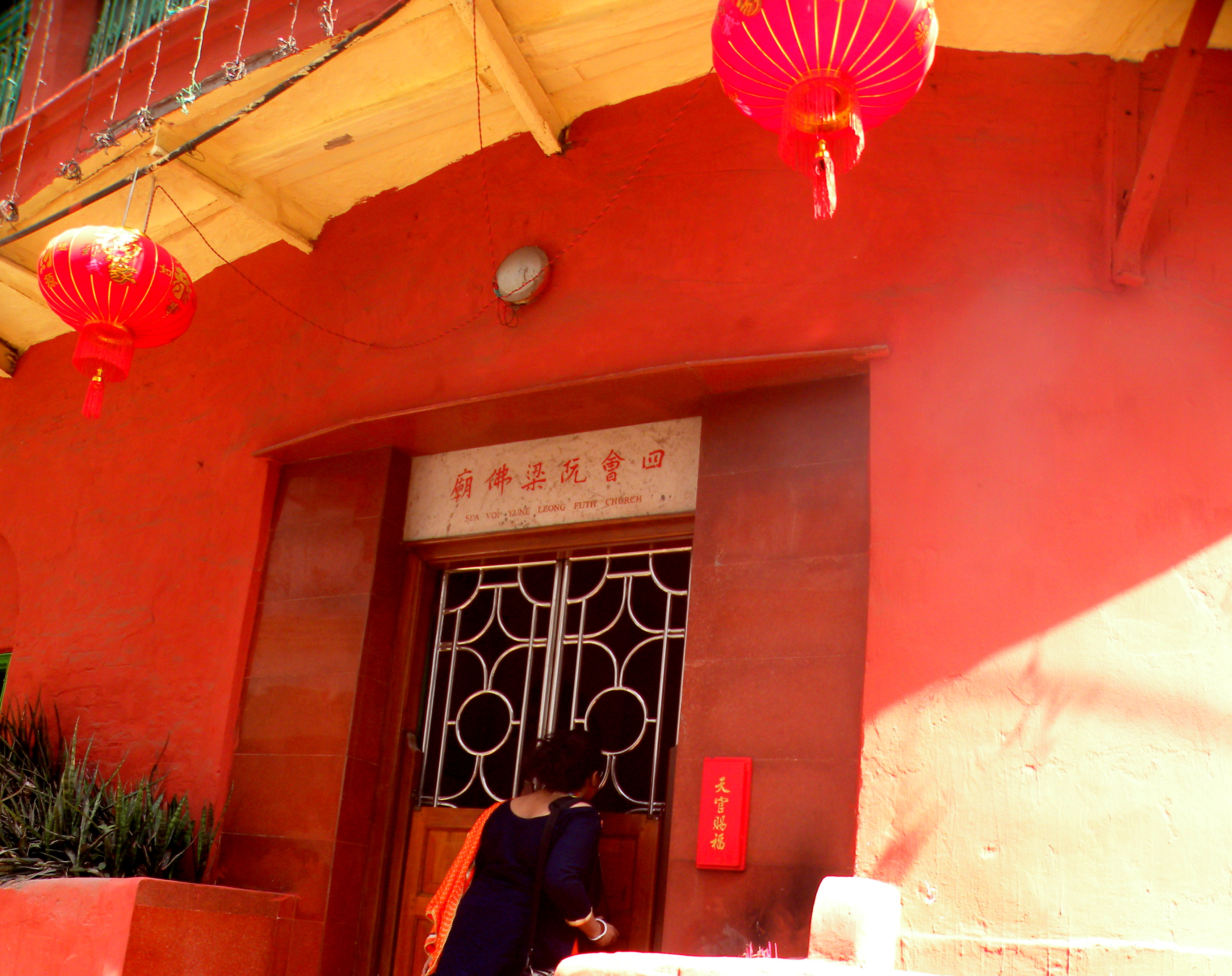
Sea Voi Yune Leong Futh below the Hupeh Association signboard beside Sei Vui restaurant at 17 Black Burn Lane. It borders the restaurant and remains closed only visible from the gate.
The Hupeh Association signboardThe church below itInside the church
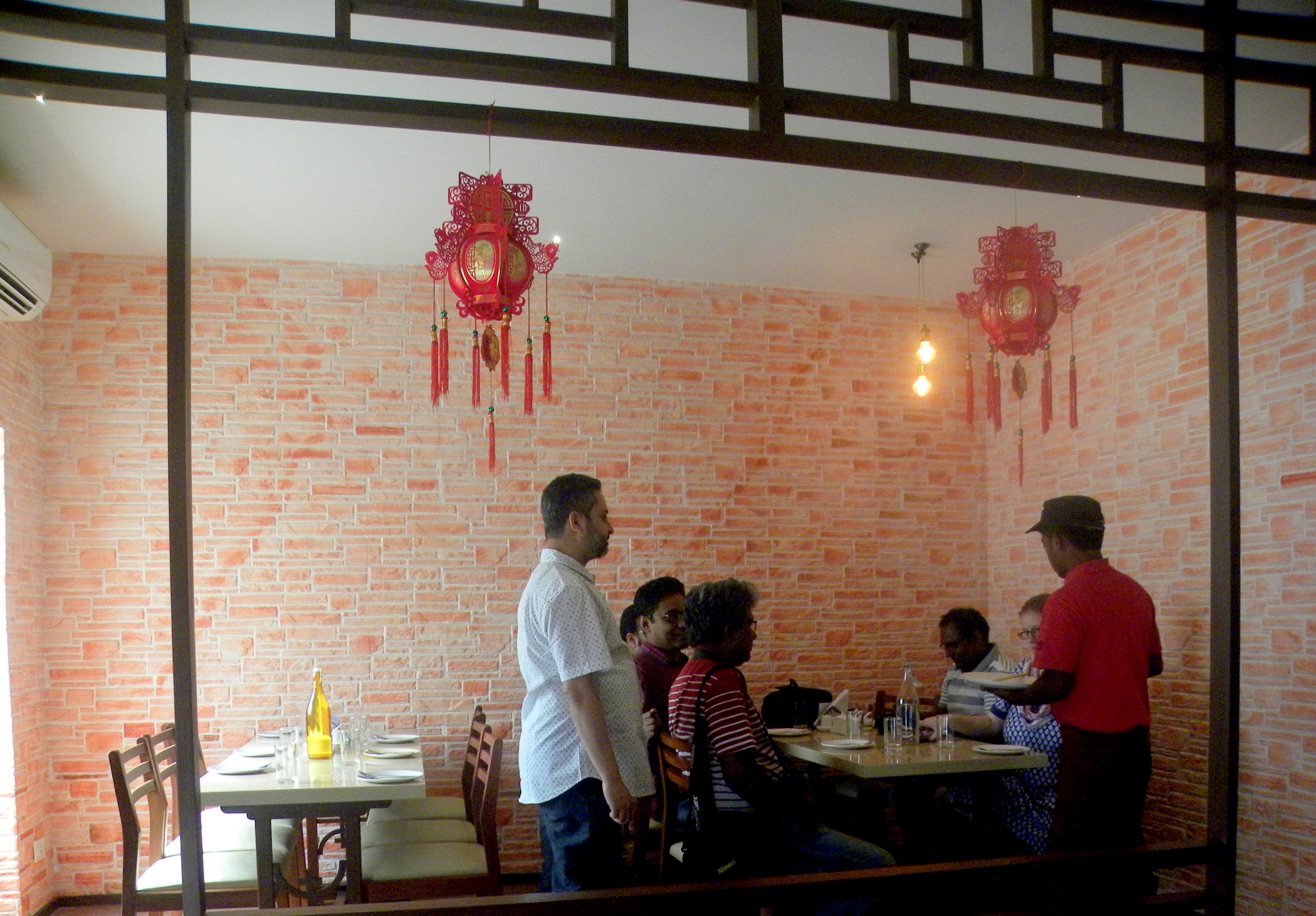
Sei Vui Restaurant
The People
The churches are an intimate affair and generally ruled by a specific community and different community have different clubs represented by different churches. Similar to the Indian society, they too have profession based class division. Hence, each community represents a different profession. For example, the Hupehs are dentists. In Calcutta, most of the Chinese communities are either tanners or dentists. The need of the hour has diversified the profession and hereditary lineage is broken but much of the genealogy dates back to these 2 professions. Despite the odds, these people are thriving with their amicable nature, the prowess of business ( many of them have become connoisseurs of Chinese Cuisine) and quintessential Indian-ness.
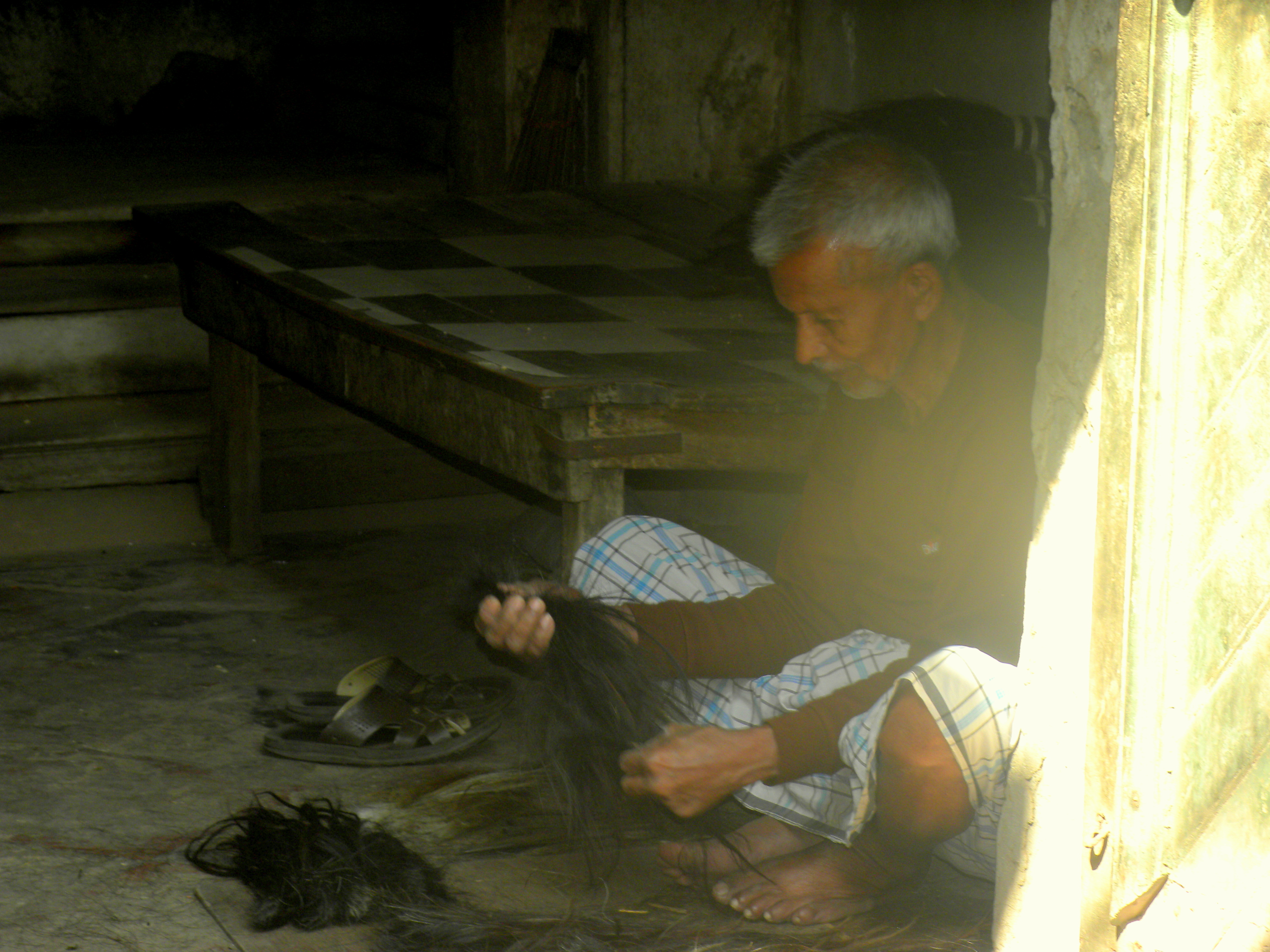
A brushmaker in the locality
The Co-existence
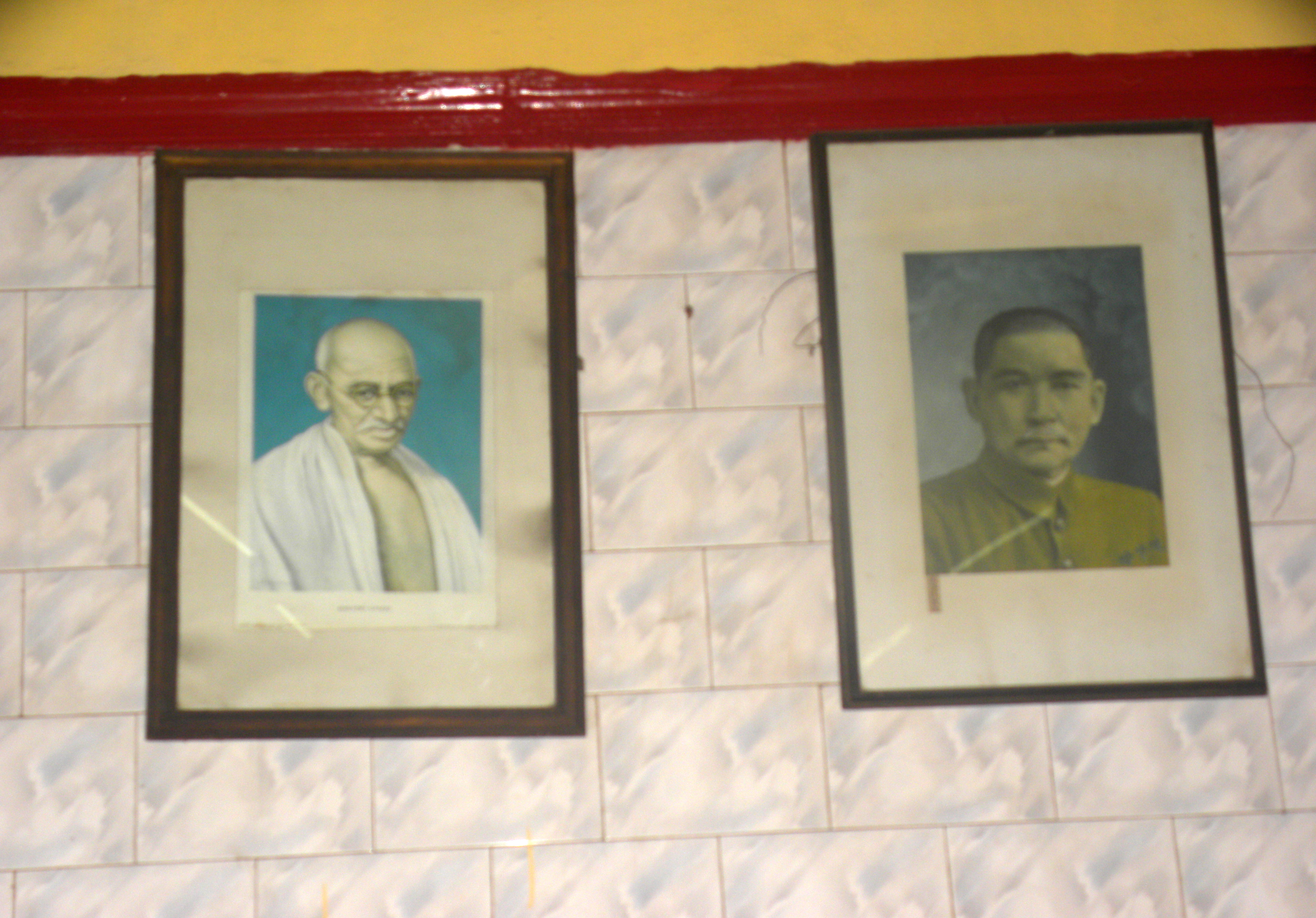
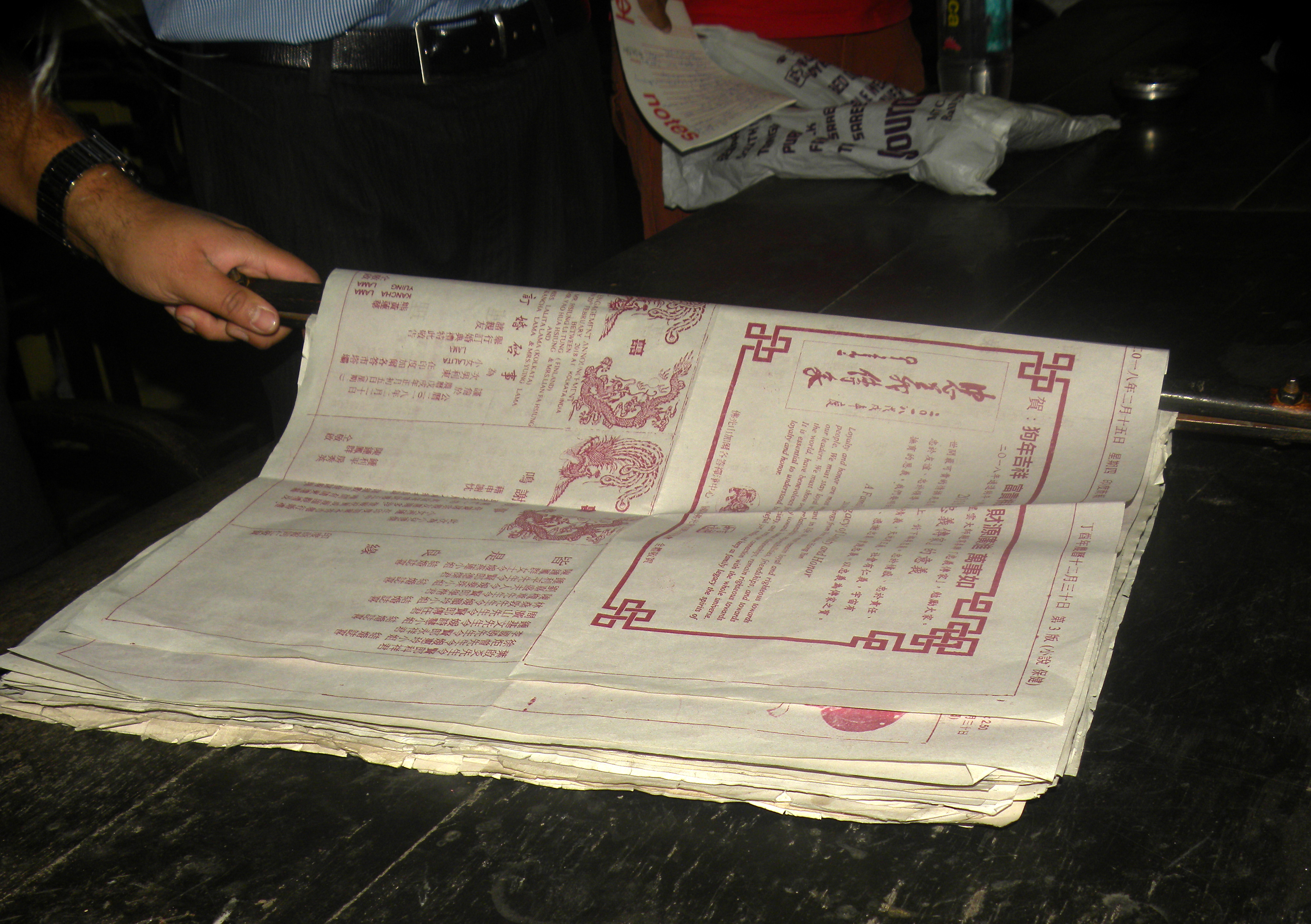
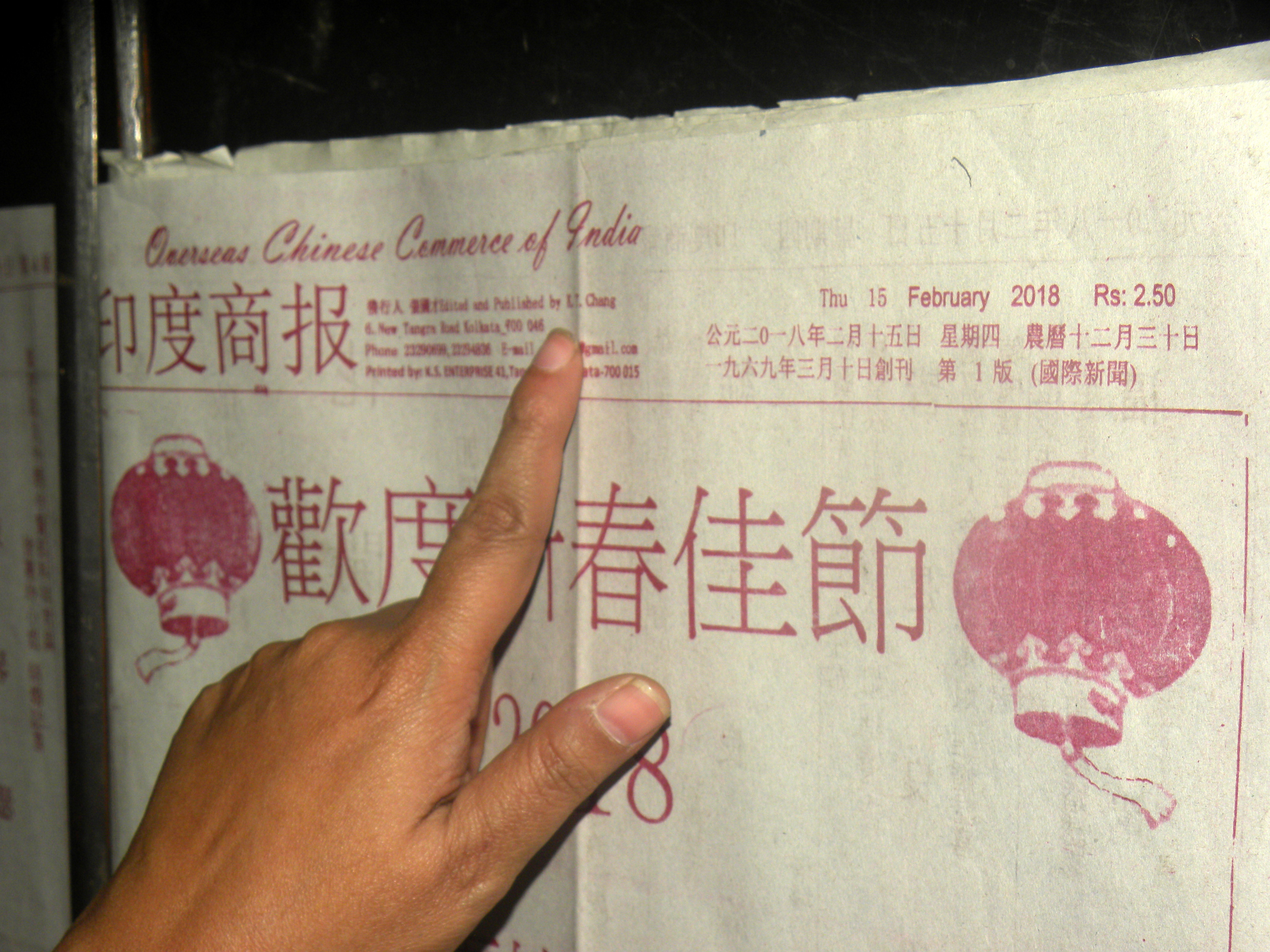
Here you will find a different China quite unlike the actual Chinese people of China. It’s an Indian China or Calcutta China if one can call it that way. Here, the common folk still regard Sun Yan as the Chinese Premiere, at a time when Xi Jinping has gained a lifetime Chinese Presidentship in China. Mahatma Gandhi and Sun Yat-Sen (The Chinese Mahatma) decorate the walls and below it, a group of elderly gentleman reads a Chinese Newspaper- their very own self-published daily newspaper, the oldest surviving Chinese newspaper of Calcutta. Perhaps of India as well.
Mahatma Gandhi and Sun Yat-Sen portraits inside the Sea-Ip churchThe oldest surviving Chinese newspaper of Calcutta (of India perhaps)look at the date, it’s just before the new year (16th Feb)
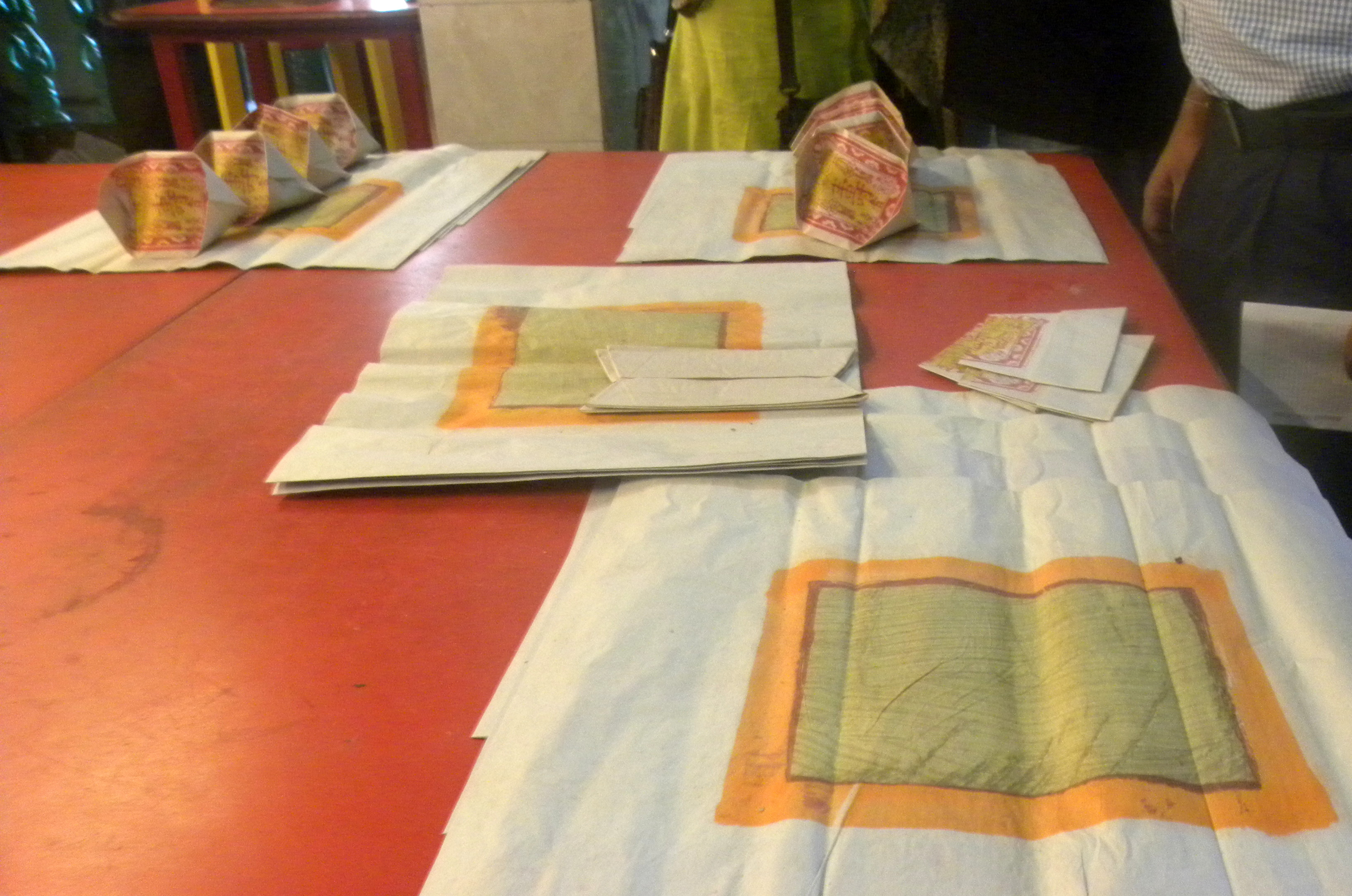
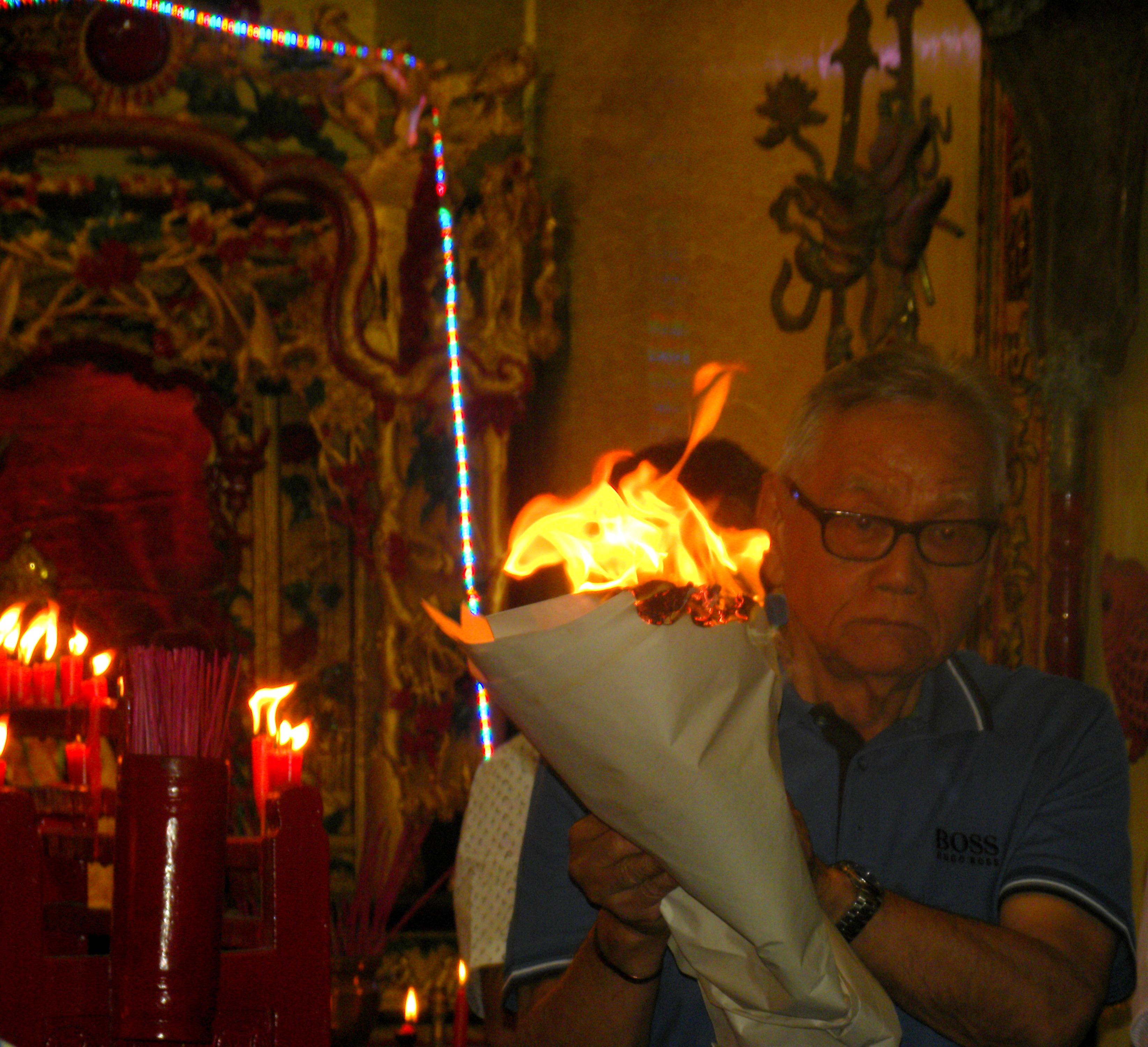
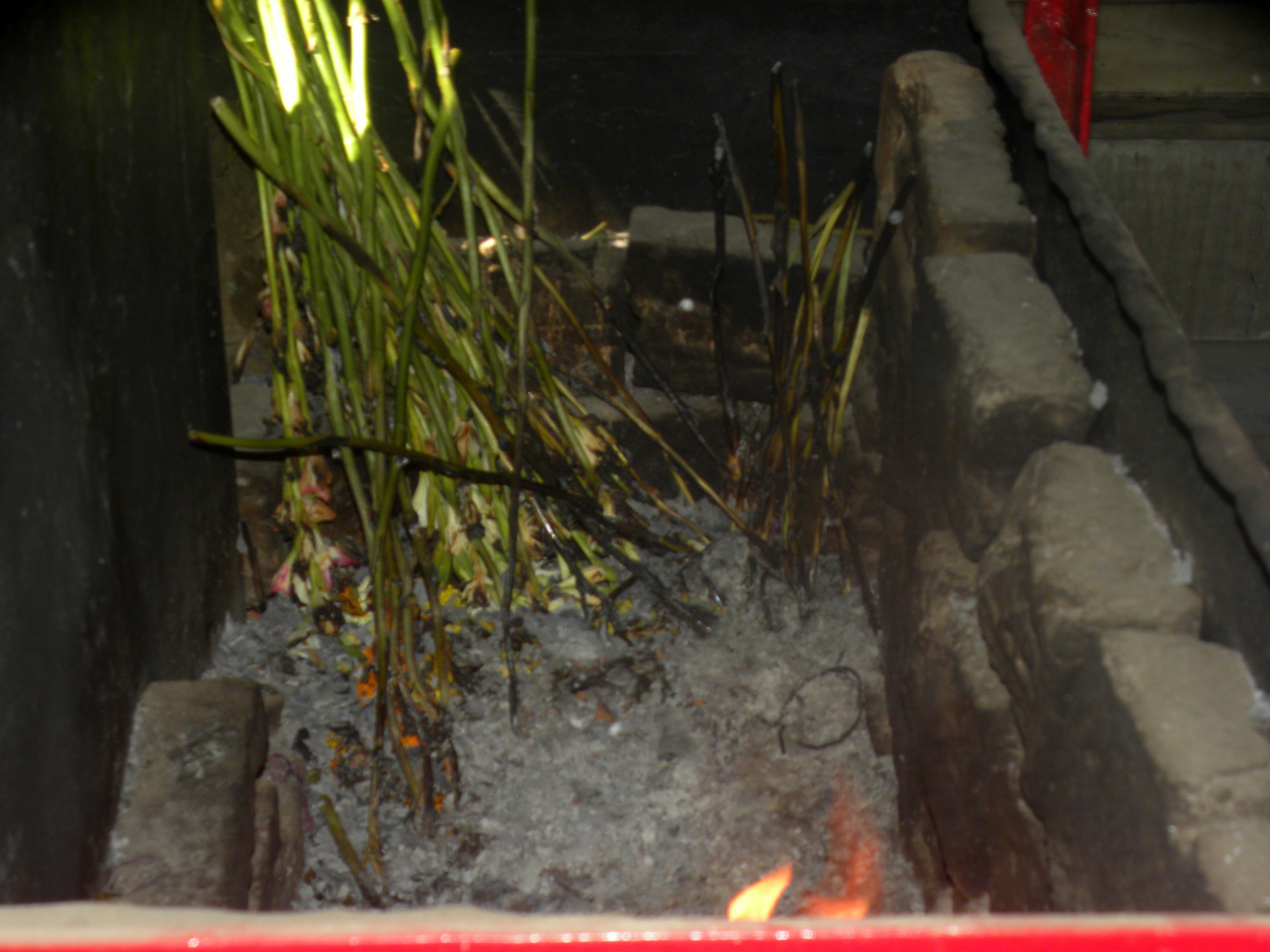
Much like the Bengali tradition of remembering one’s forefather at the onset of the Durga Puja, these people have a similar tradition of sending good wishes in the form of burning scrolls at the onset of the Chinese New Year.
The paper scroll used for burningThe ritual of burning scrollsPlace where the burnt scrolls are kept
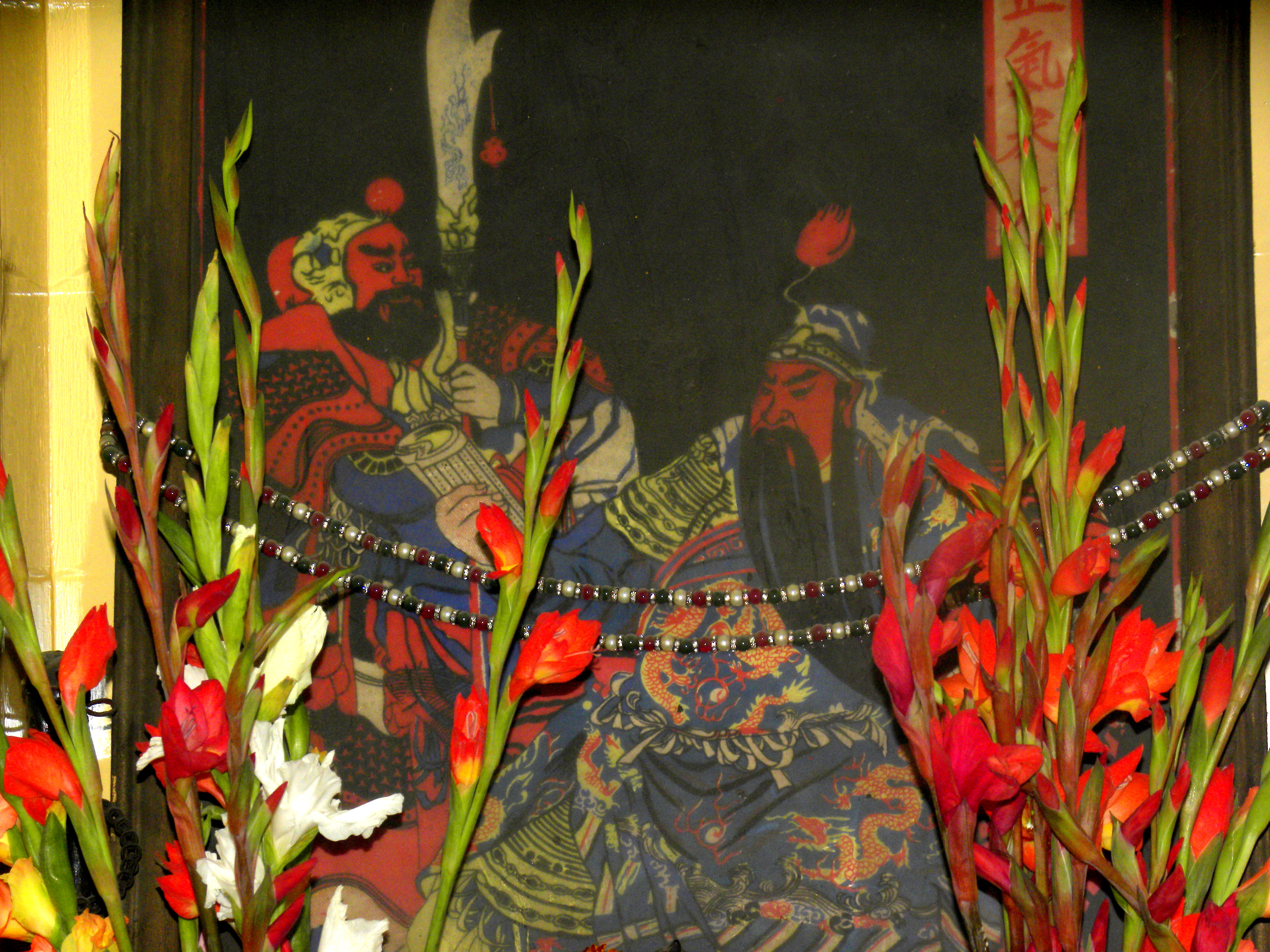
Their worshipping nature is quite similar to us with different lords serving a different purpose, such as Kwan Ti – the warrior king who later became the warrior god. Similarly, there are other gods signifying wealth, health, death etc.
A portrait of KWAN TI, inside Sea-Ip Church
The Chinese New Year
The Chinese New Year holds a special significance as it is during this time, this world comes alive – with jubilant lion dances, intricate personal prayers and a community that opens its gates to the public.
A lion dance marchKids with their lion dance preparations
It is on one such Chinese new year I embarked on a heritage walk through these known-unknown myriad alleys of tiretti. The Chinese New Year follows a lunar cycle and generally, the year begins somewhere in the middle of February. In the Chinese system, each year represents a special animal which is a particular zodiac sign. 2018 is the year of the dog which stands for loyalty, faithfulness, honesty and other such qualities. There are 12 such zodiac signs each representing an animal and its qualities. Unlike other zodiac signs, the Chinese zodiac signs are determined by your birth year alone and not by the birth month.
The Chinese Zodiac Signs, Image : Devian Art
The Heritage Walk
Now, coming back to the heritage walk, this unique venture was part of India Heritage Walk Festival conducted bySahapedia in association with The Cha Project. It comprised of 25 heritage enthusiasts trailing the city in the early hours with their group leader RJ Deepanjan Ghosh and heritage blogger Ranjan Datta along with Cha Project’s Rinkoo Bhowmick. We trailed through the bylanes of Tiretti Bazaar, in Central Avenue, Central Calcutta to find 6 beautiful churches with an astonishing craftsmanship on display. Many of them remain remote and hidden from plain sight due to civic problems like garbage dumping ground. The churches lie on either side of Blackburn Lane in and around The BSNL Telephone Exchange Bhavan.
So, if you want to witness the Calcutta Chromosome then visit these isolated hamlets in the early morning or during the time of the festival – that is the new year. While you are at it gorge on some authentic Chinese delicacies and maybe go on a shopping spree as well. The area is home to the iconic Pou Chong Sauces, an indigenous Chinese store selling Chinese cooking products at a handful of the price.
P.S. Pou Chong Sauces have opened a new takeaway restaurant near Acropolis Mall, Ruby in rajdanga road which serves authentic Chinese delicacies such as dimsums and baos.
Note: Don’t miss the early morning Tiretti Breakfast of home cooked Chinese delicacies. It happens in Tiretti Bazaar every Sunday morning from 5:00am -8:00am.
The Food
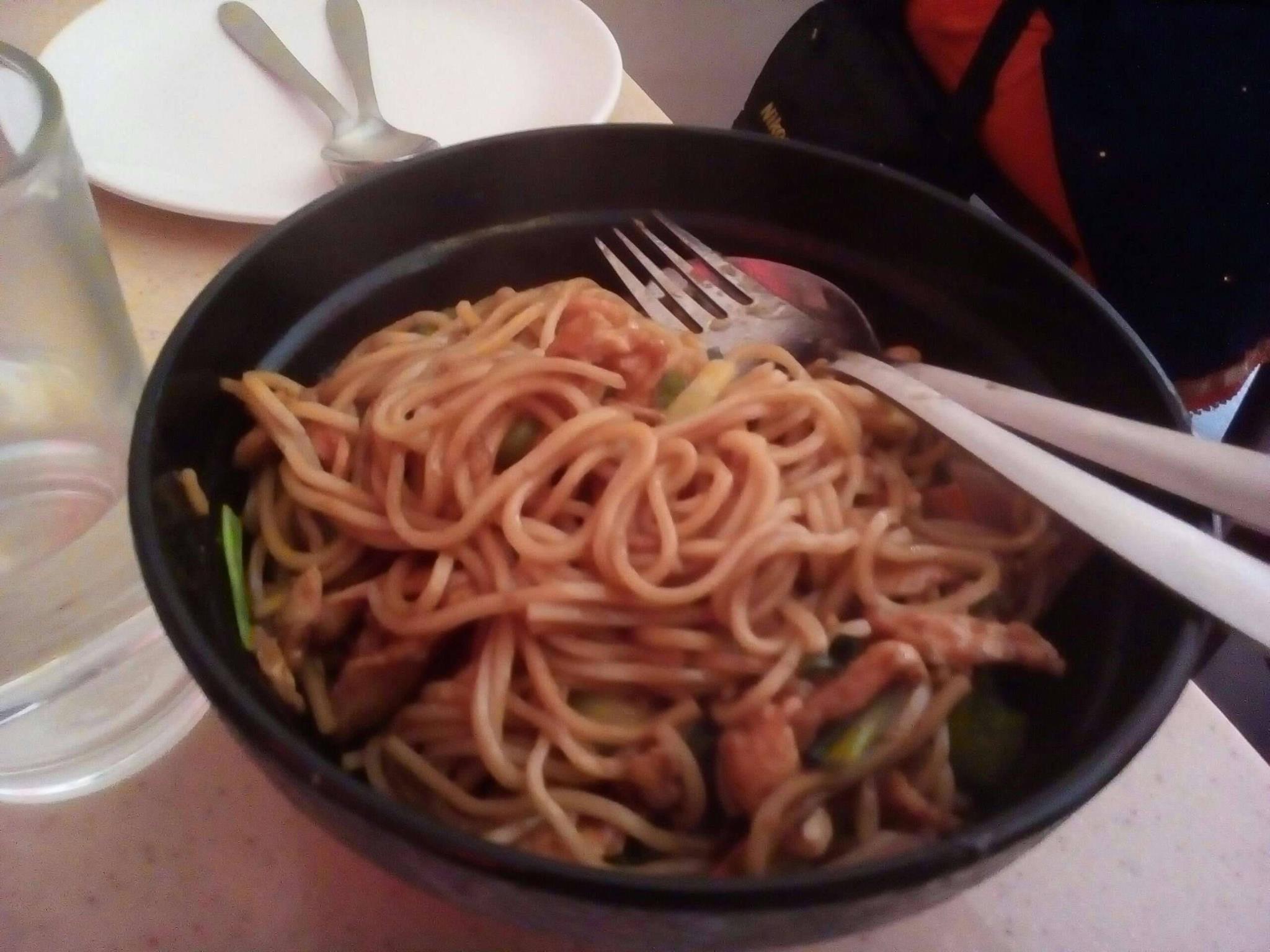
The Chinese Cuisine is an assimilation of various techniques and culture and varies throughout the length and breadth of the nation. In India, especially in Calcutta, the north-western cuisine that is the Cantonese cuisine dominates and it is this we witness here as Chinese delicacies. In fact the most famous restaurant in the area, Tung Nammeans “North-West” and serves Cantonese delicacies. The cuisine is based on the rich color that they display and each of it depicts a certain quality. For example, the red color denotes fertility, the green stands for abundance, golden spring roll denotes wealth etc. In a Chinese family, they sit together and eat all the delicacies in small portions without changing the utensils after every course.
Inside Tung Nam
P.S. Restaurants remain closed during the Chinese new year
Speaking of restaurants from the area, a new gem is added to the list. The Sei Vui restaurant, an erstwhile dormitory (110-year-old) for Chinese migrant workers has opened up at 17 Black Burn Lane. The restaurant borders the church and is the best way to locate the Leong Futh Church. It serves delicacies like the Hoikin Noodles, Momos, Fish with Pak Choy in Chou Sui, Prawn in Black Sauce etc. and it remains open even in the Chinese New Year.
The Chinese game of Mah Jong or a local variant of it will add eons to your life. Witness this wonder here and match the blocks to sharpen your memory and concentration power. To know more about this local game watch this video.
Rising Above The Tide
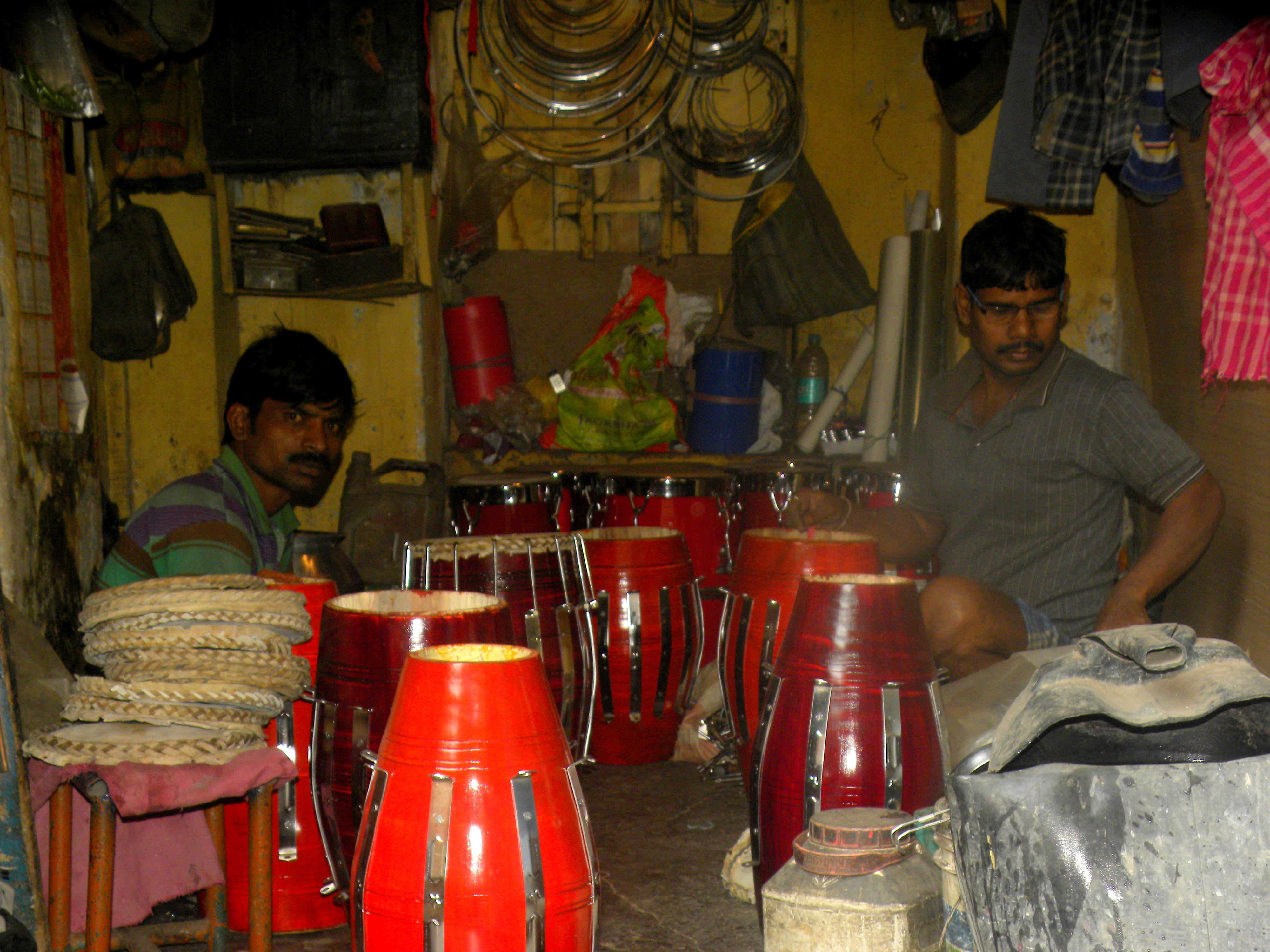
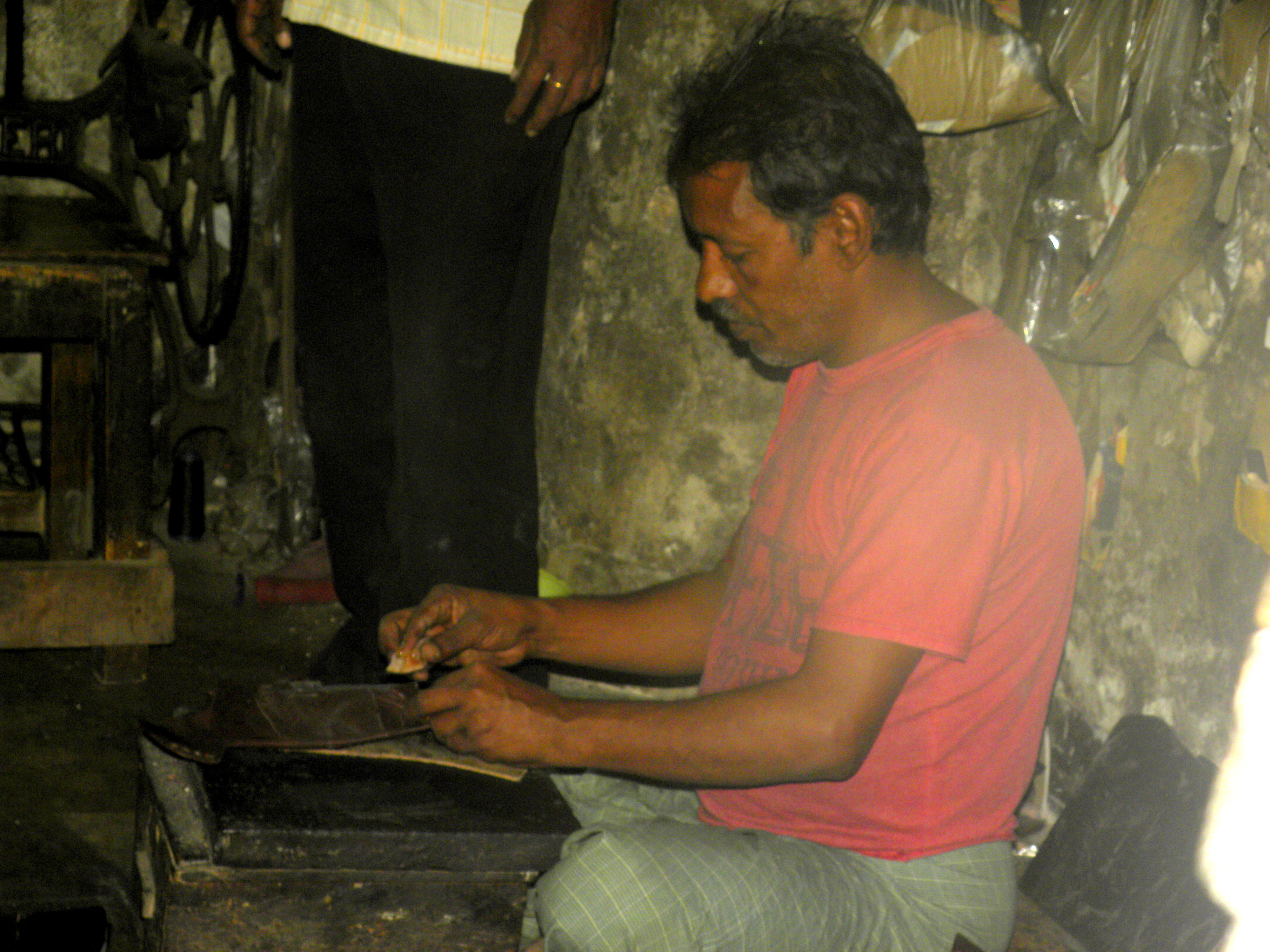
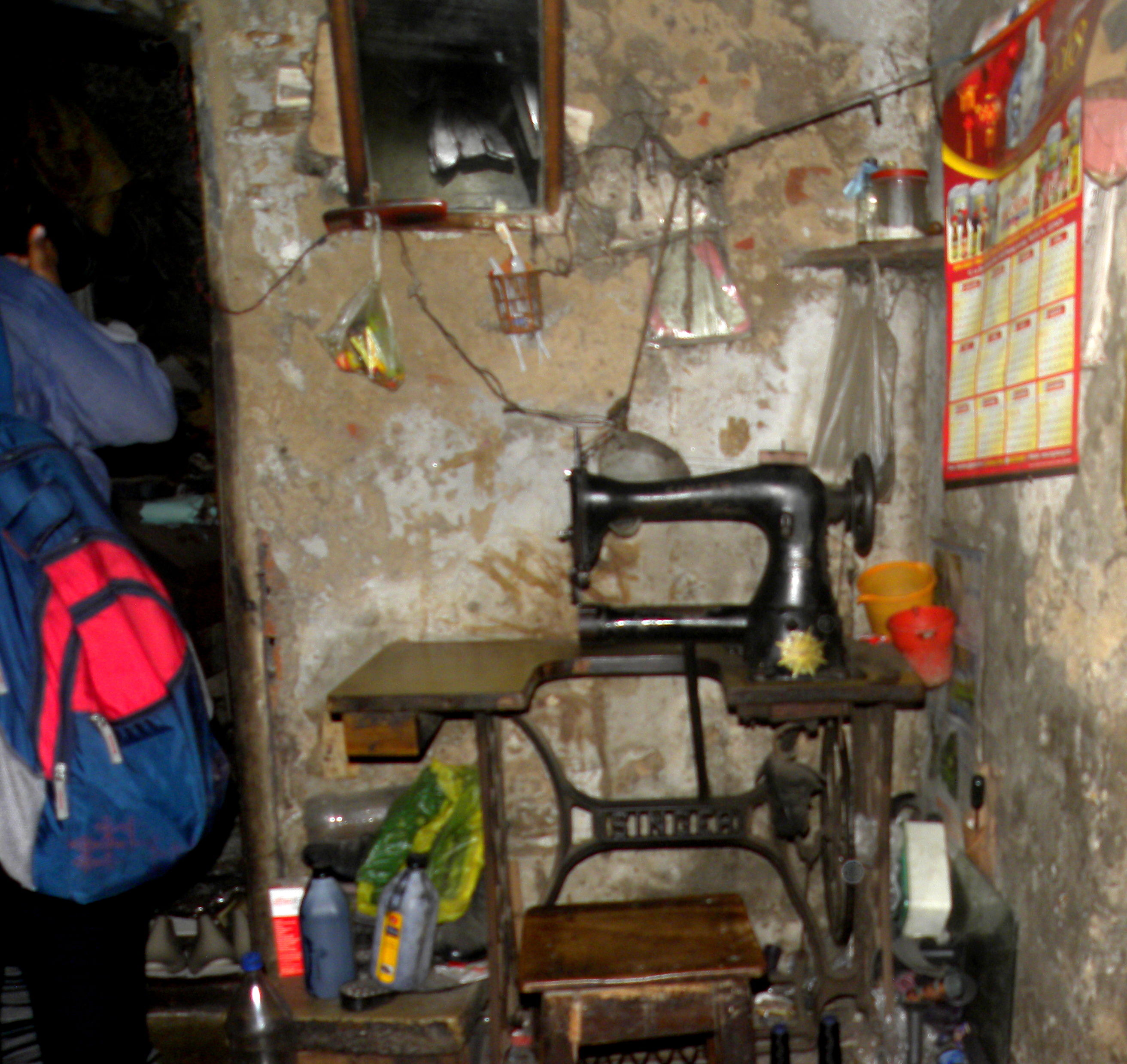
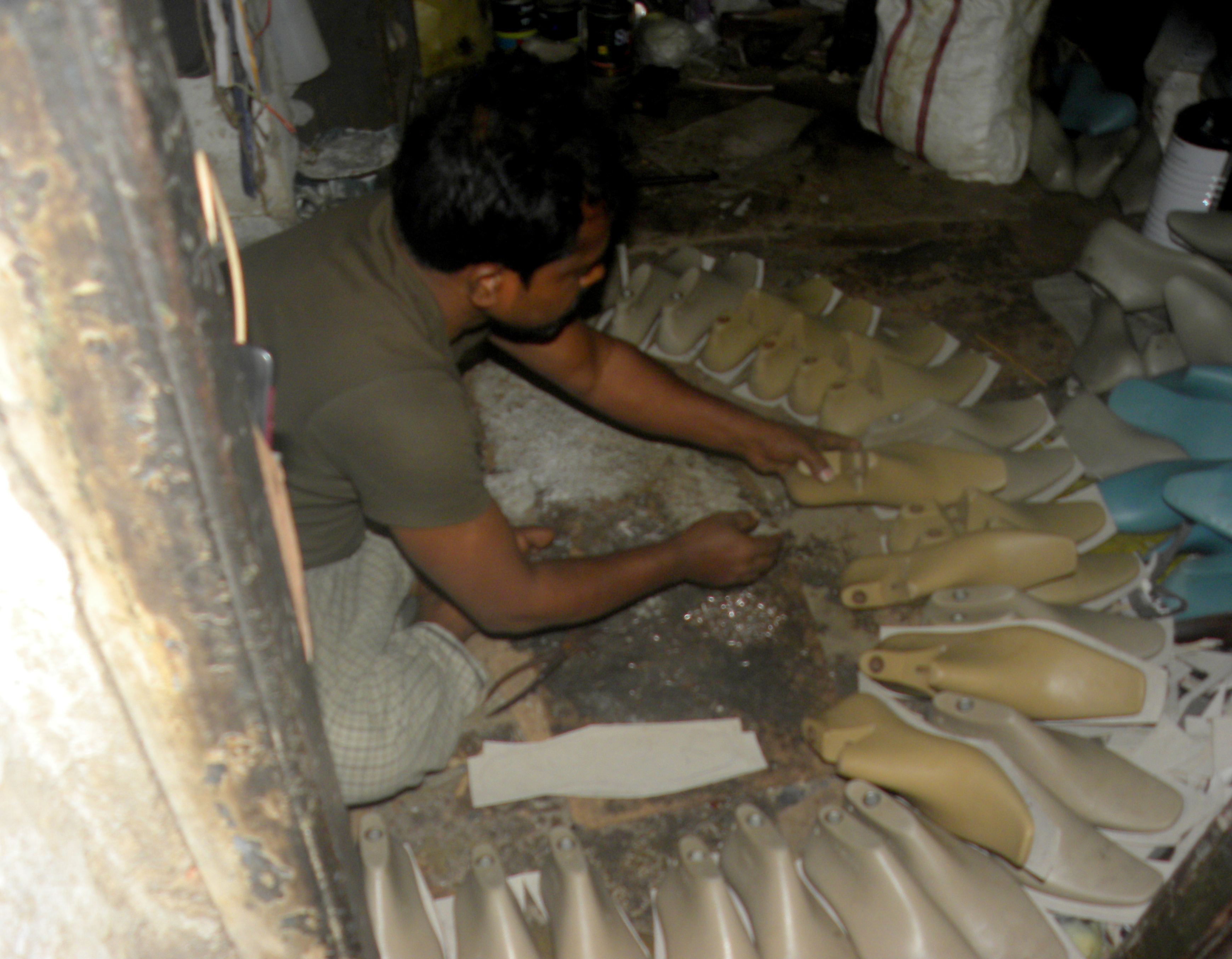
The old world does reside in us and it is these roadside tanneries, brushmakers, handmade shoemakers, drum-makers who bring them alive.
The drum-makersThe shoemakersSewing Machine used by the shoemakersThe shoemakers of the locality
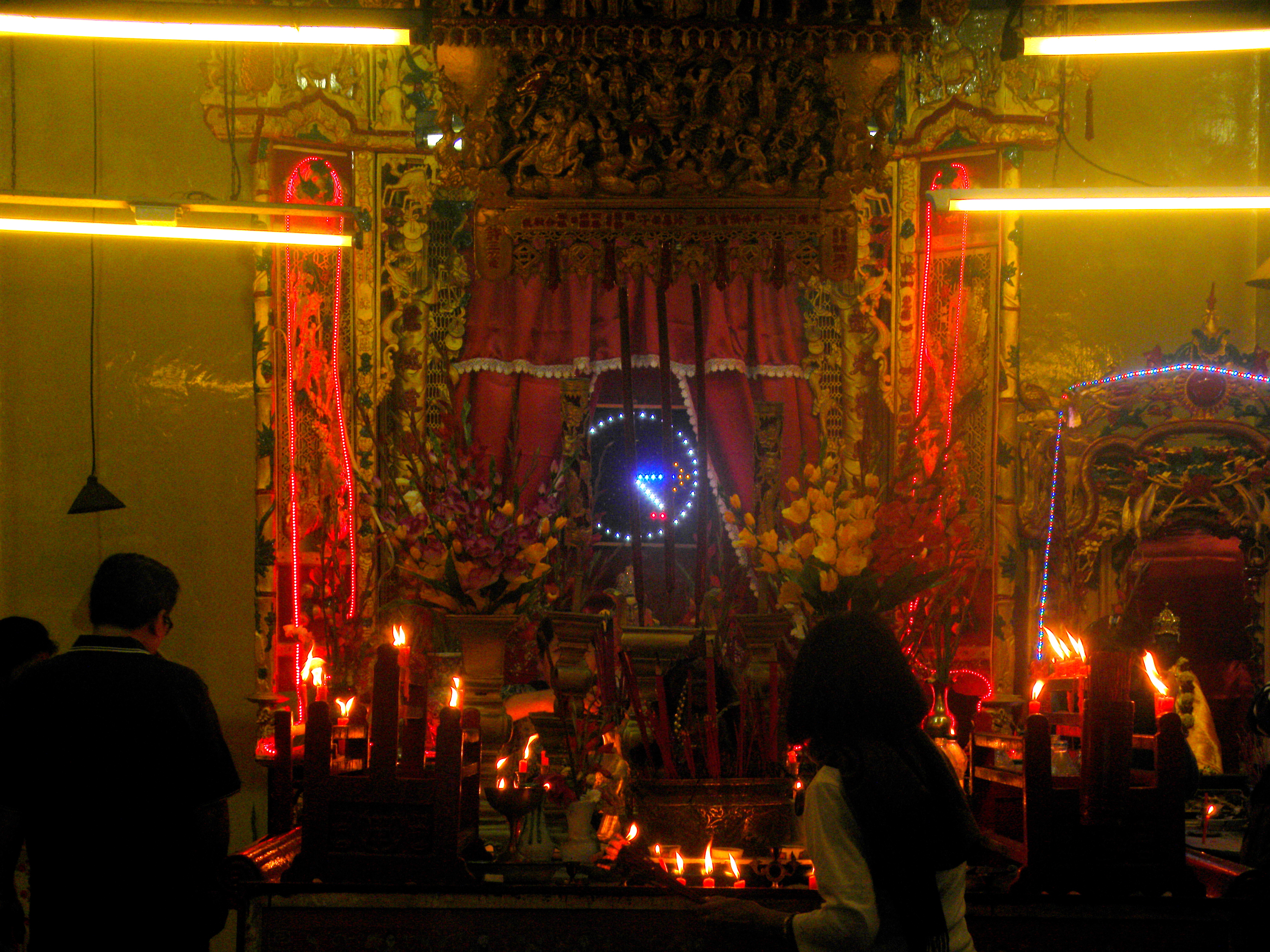
Much like our prayers, our livelihood is also the same. It’s the business of belonging – of being relevant- of keeping our head above the running waters that keep us alive.
We pray alike
It is this which we look forward to, in our small little sojourns.















 Agantuk's Desk - Explore, Implore, Reverberate
Leave a comment